Department of Biology, Universidad Autónoma de Madrid, Madrid, Spain.
Centro de Investigaciones Científicas y Tecnológicas de Extremadura (CICYTEX), Guadajira, Spain.
Sci Rep. 2023 Mar 27;13(1):4951. doi: 10.1038/s41598-023-32114-5.
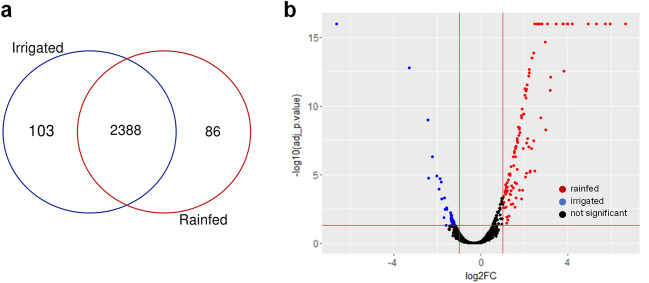
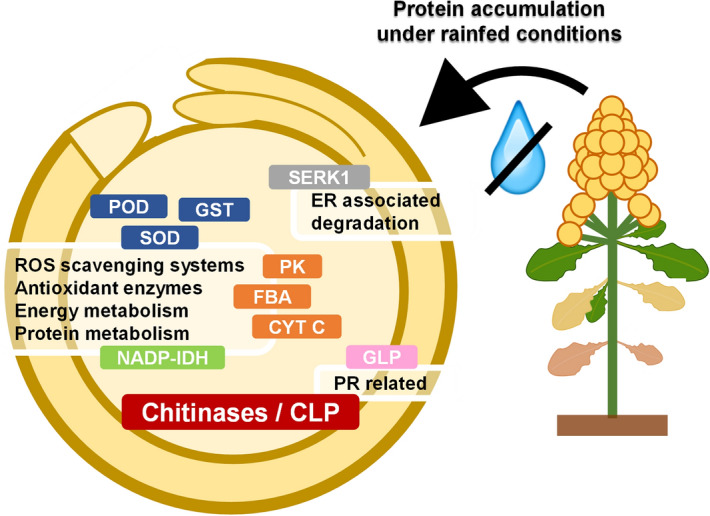
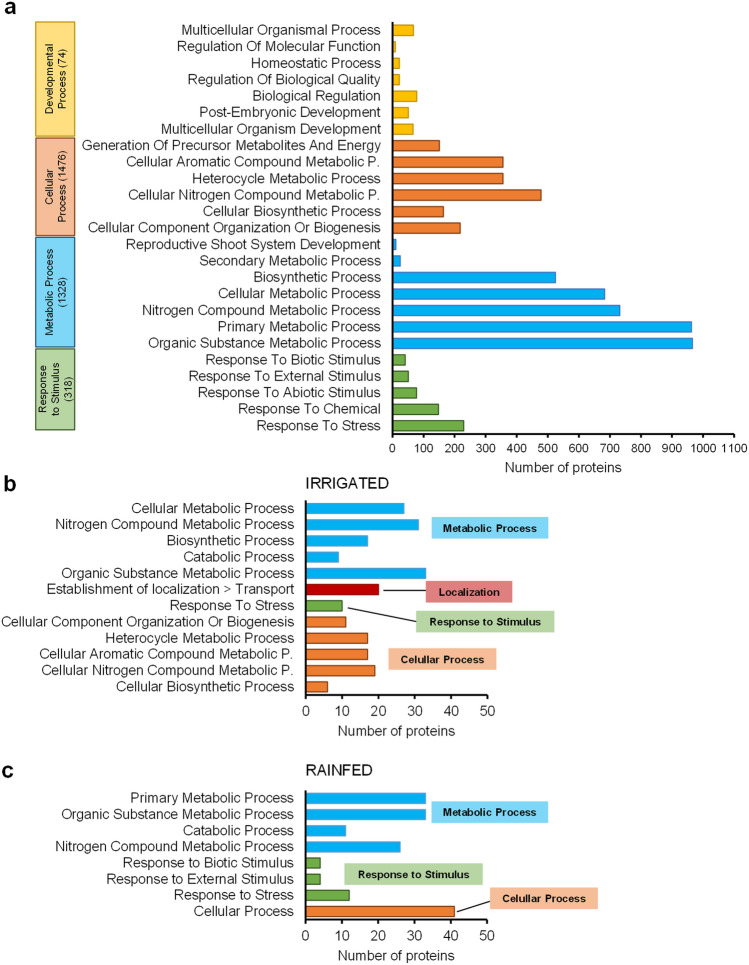
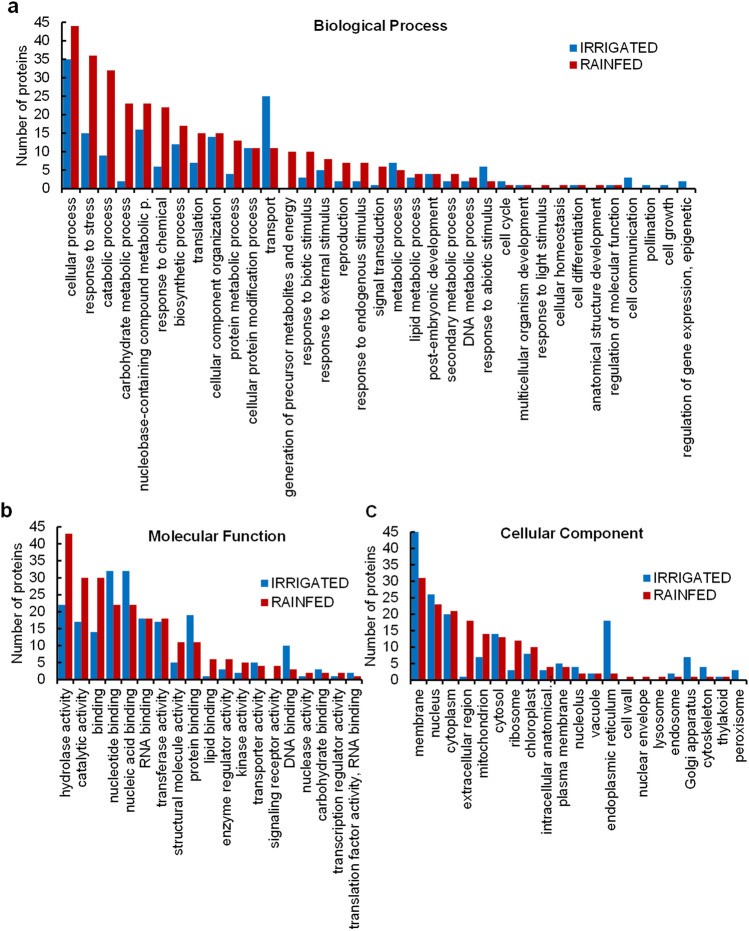
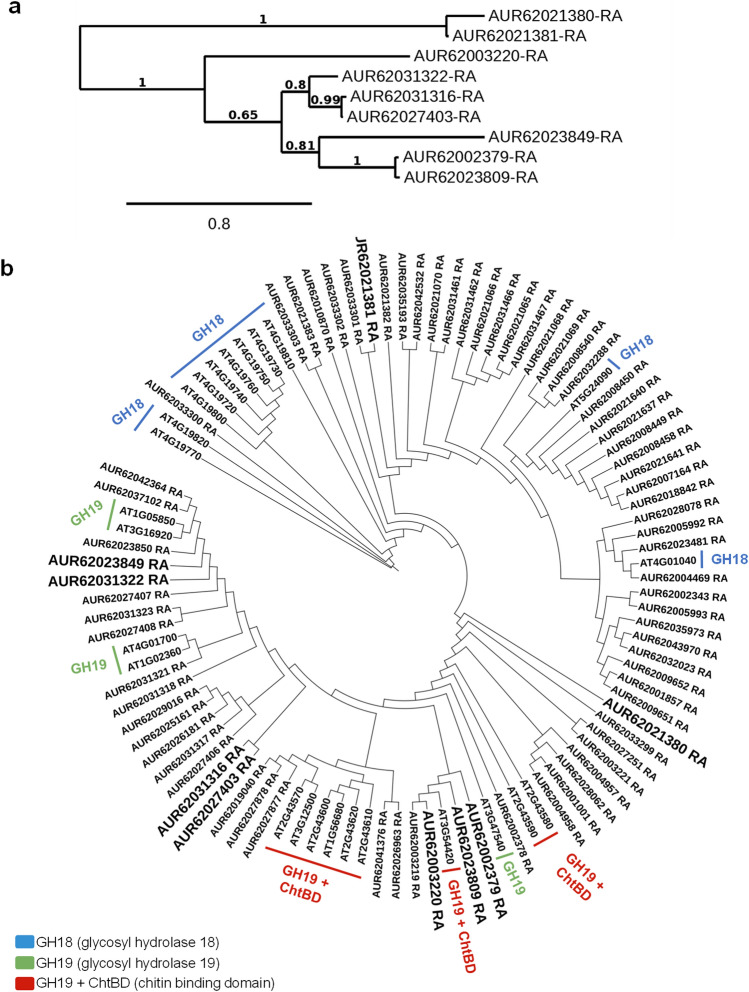
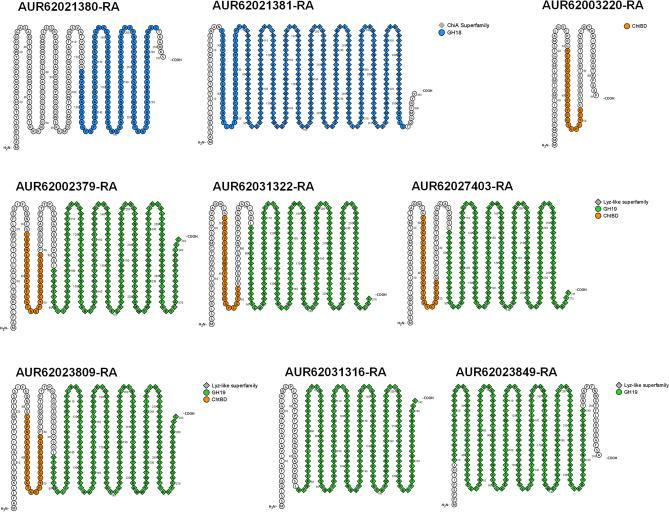
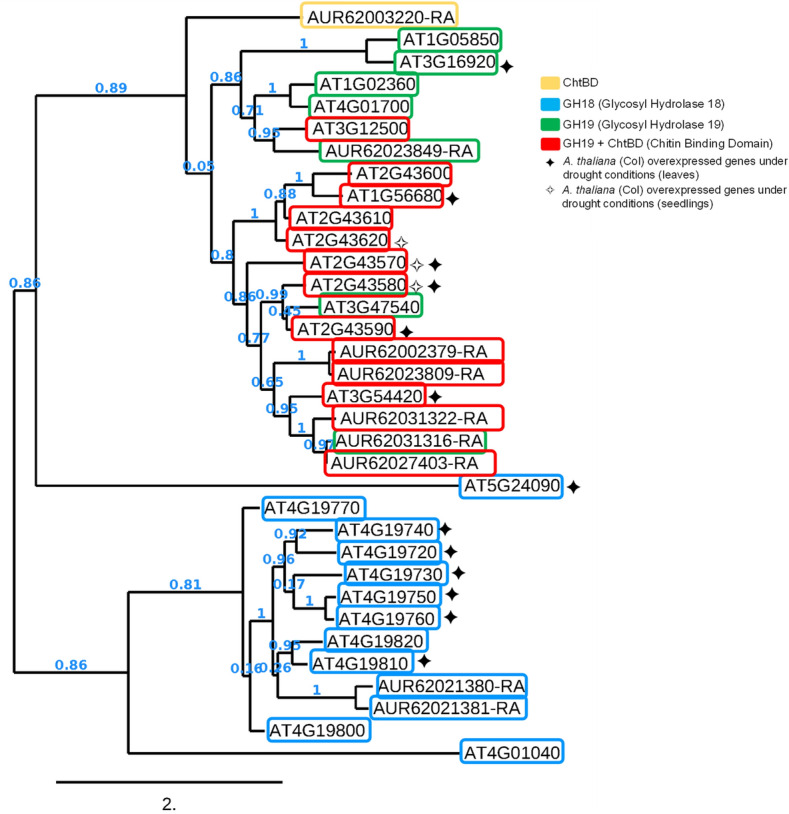
Quinoa is an Andean crop whose cultivation has been extended to many different parts of the world in the last decade. It shows a great capacity for adaptation to diverse climate conditions, including environmental stressors, and, moreover, the seeds are very nutritious in part due to their high protein content, which is rich in essential amino acids. They are gluten-free seeds and contain good amounts of other nutrients such as unsaturated fatty acids, vitamins, or minerals. Also, the use of quinoa hydrolysates and peptides has been linked to numerous health benefits. Altogether, these aspects have situated quinoa as a crop able to contribute to food security worldwide. Aiming to deepen our understanding of the protein quality and function of quinoa seeds and how they can vary when this crop is subjected to water-limiting conditions, a shotgun proteomics analysis was performed to obtain the proteomes of quinoa seeds harvested from two different water regimes in the field: rainfed and irrigated conditions. Differentially increased levels of proteins determined in seeds from each field condition were analysed, and the enrichment of chitinase-related proteins in seeds harvested from rainfed conditions was found. These proteins are described as pathogen-related proteins and can be accumulated under abiotic stress. Thus, our findings suggest that chitinase-like proteins in quinoa seeds can be potential biomarkers of drought. Also, this study points to the need for further research to unveil their role in conferring tolerance when coping with water-deficient conditions.
藜麦是一种安第斯作物,在过去十年中,其种植范围已扩展到世界许多不同地区。它具有很强的适应不同气候条件的能力,包括环境胁迫,而且,由于其高蛋白含量,种子非常有营养,富含必需氨基酸。它们是无麸质种子,含有大量其他营养物质,如不饱和脂肪酸、维生素或矿物质。此外,藜麦水解物和肽的使用与许多健康益处有关。总之,这些方面使藜麦成为一种能够为全球粮食安全做出贡献的作物。为了更深入地了解藜麦种子的蛋白质质量和功能,以及当这种作物受到限水条件的影响时它们如何变化,我们进行了一项鸟枪法蛋白质组学分析,以获得在田间两种不同水分条件下收获的藜麦种子的蛋白质组。分析了从每种田间条件下种子中确定的差异增加水平的蛋白质,发现了在雨养条件下收获的种子中几丁质酶相关蛋白的富集。这些蛋白质被描述为与病原体相关的蛋白质,可在非生物胁迫下积累。因此,我们的研究结果表明,藜麦种子中的几丁质酶样蛋白可能是干旱的潜在生物标志物。此外,这项研究表明需要进一步研究,以揭示它们在应对缺水条件时赋予耐受性的作用。