Department of Microbiology and Immunology, University of Rochester Medical Center, Rochester, New York, USA.
Center for Oral Biology, University of Rochester Medical Center, Rochester, New York, USA.
mSphere. 2021 Jan 6;6(1):e00762-20. doi: 10.1128/mSphere.00762-20.
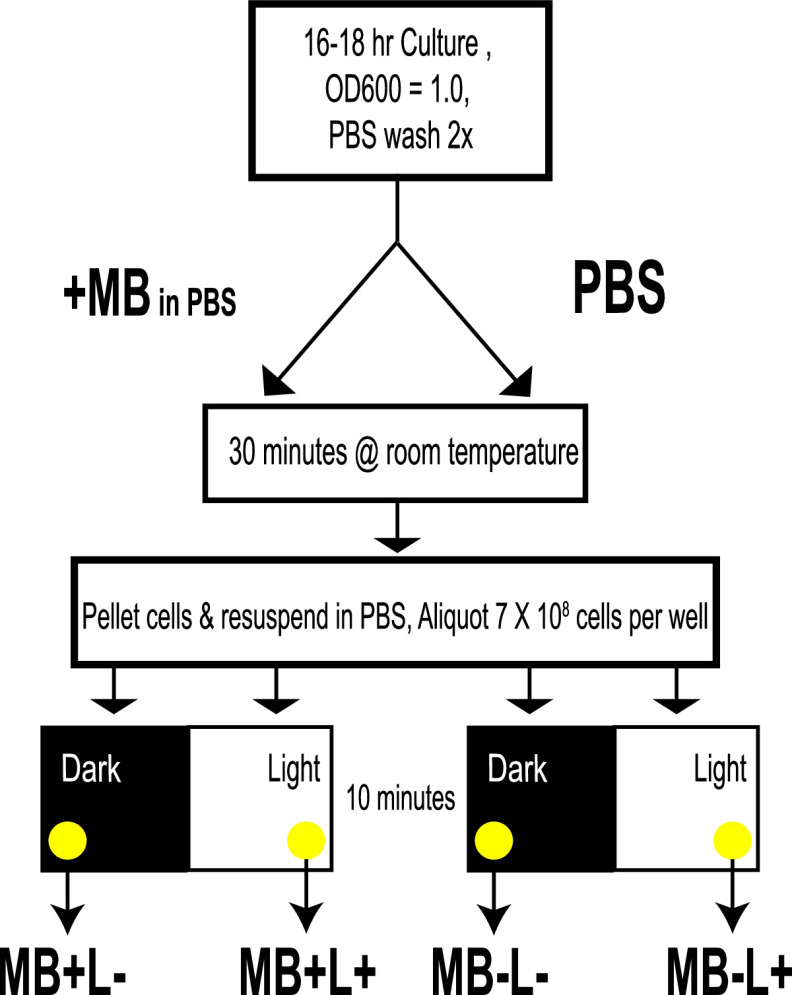
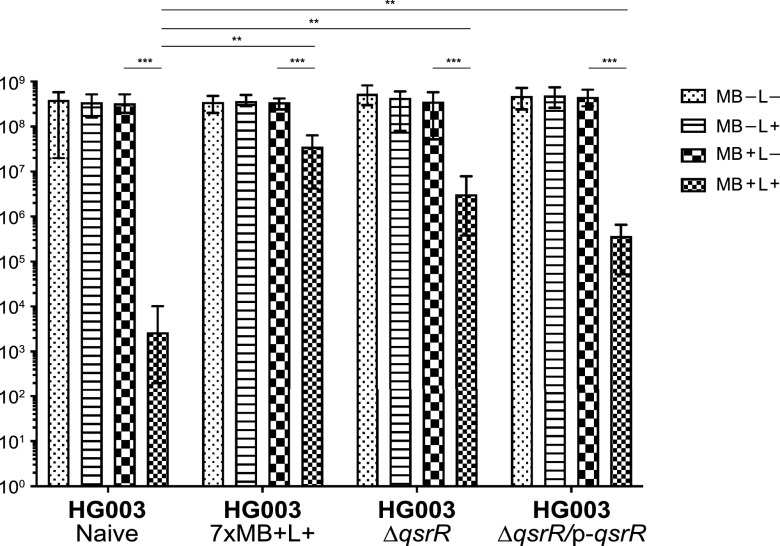
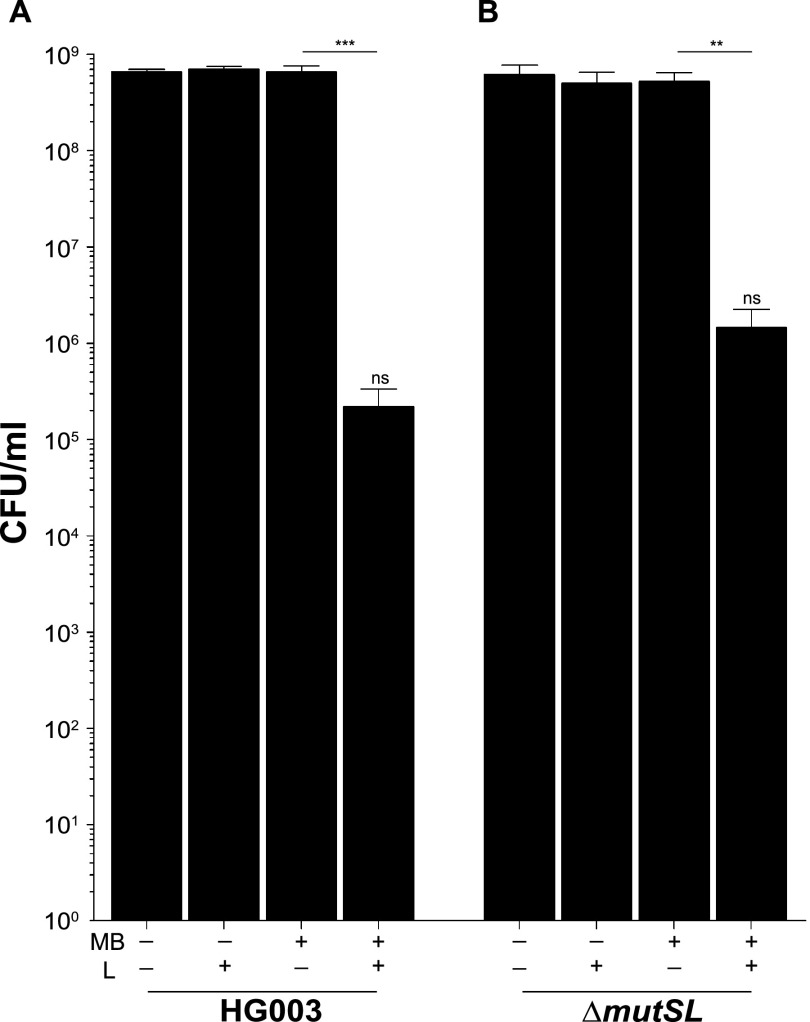
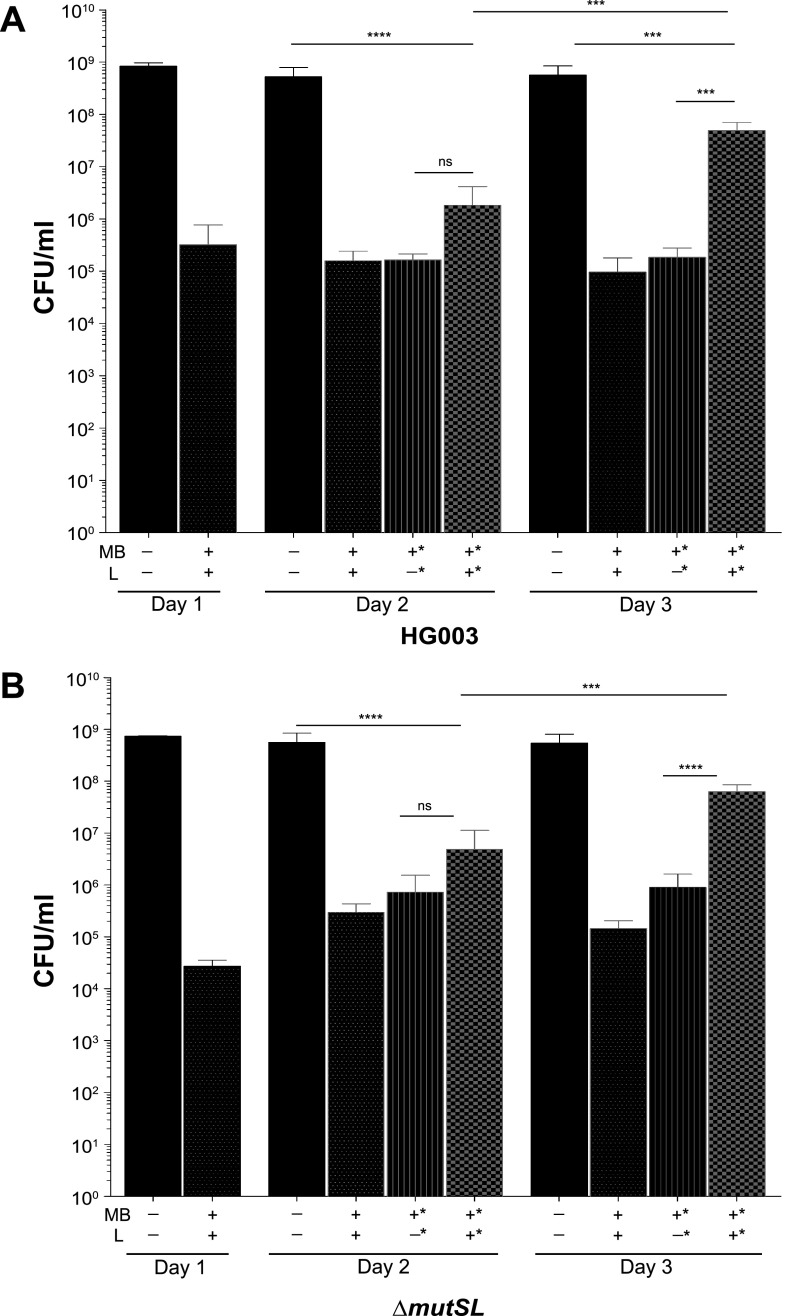
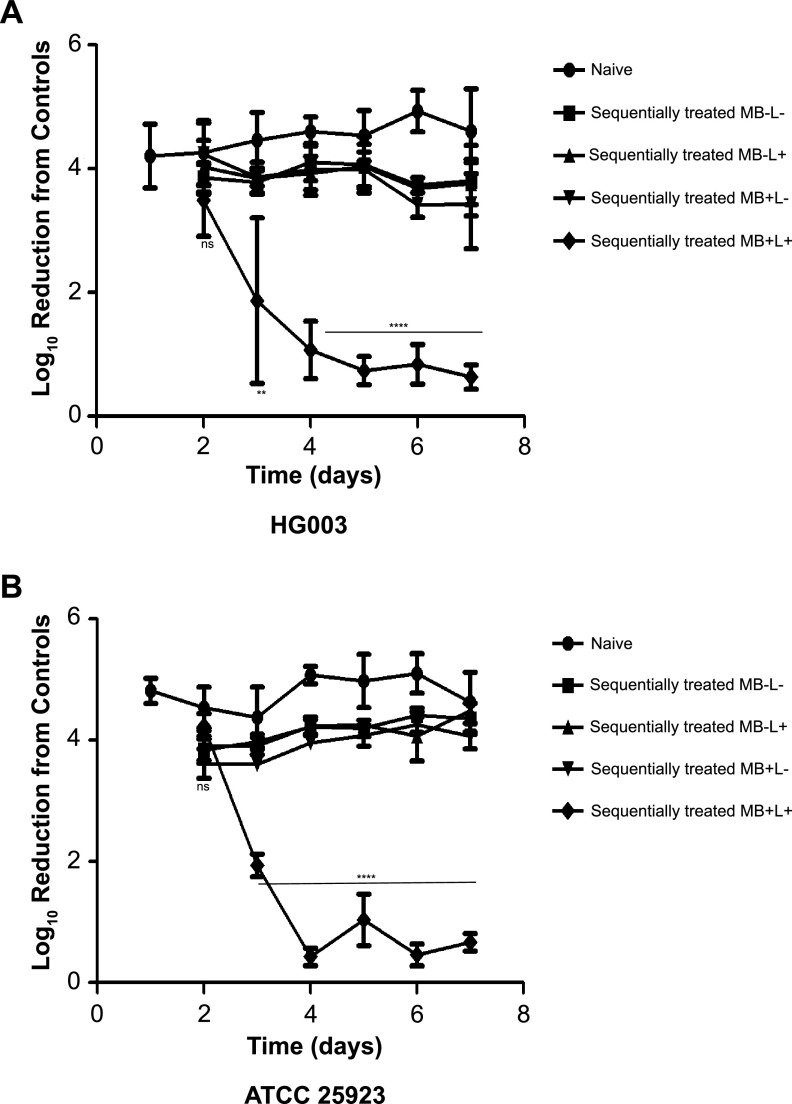
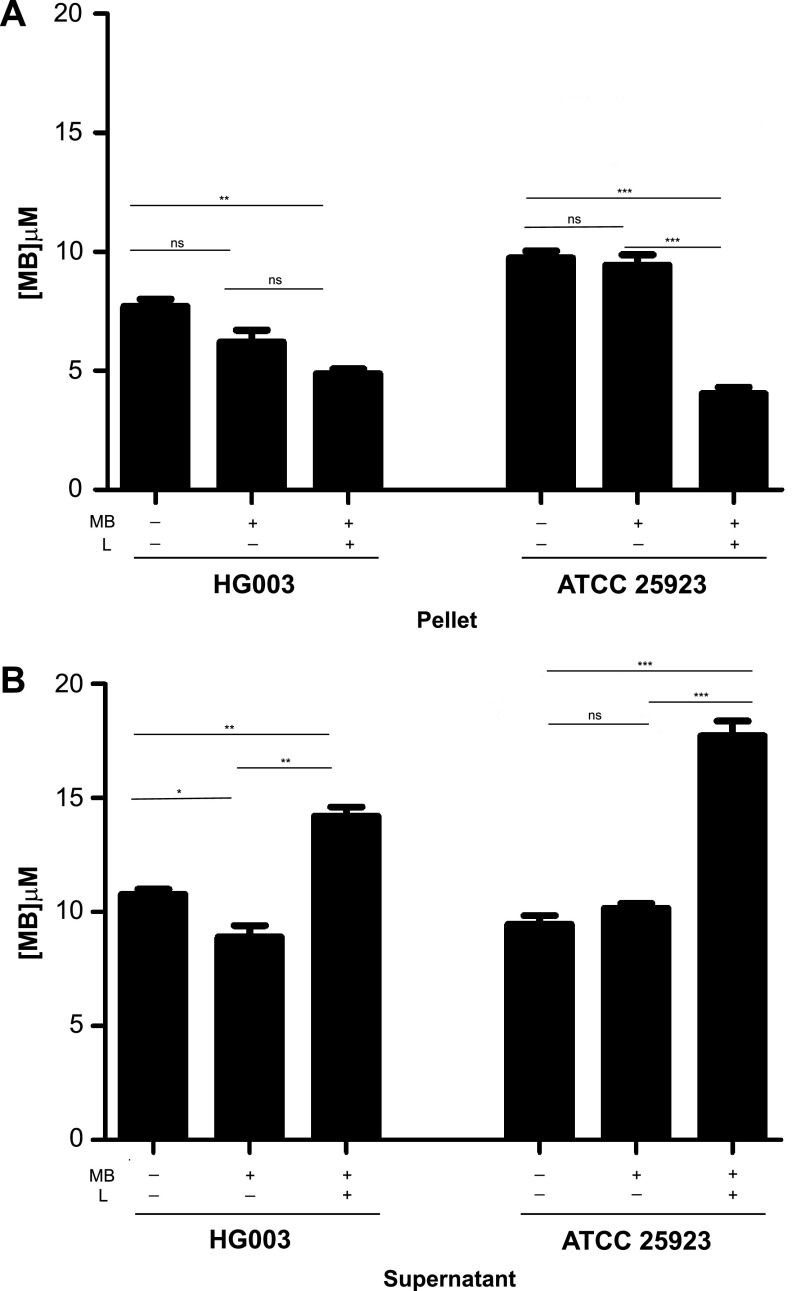
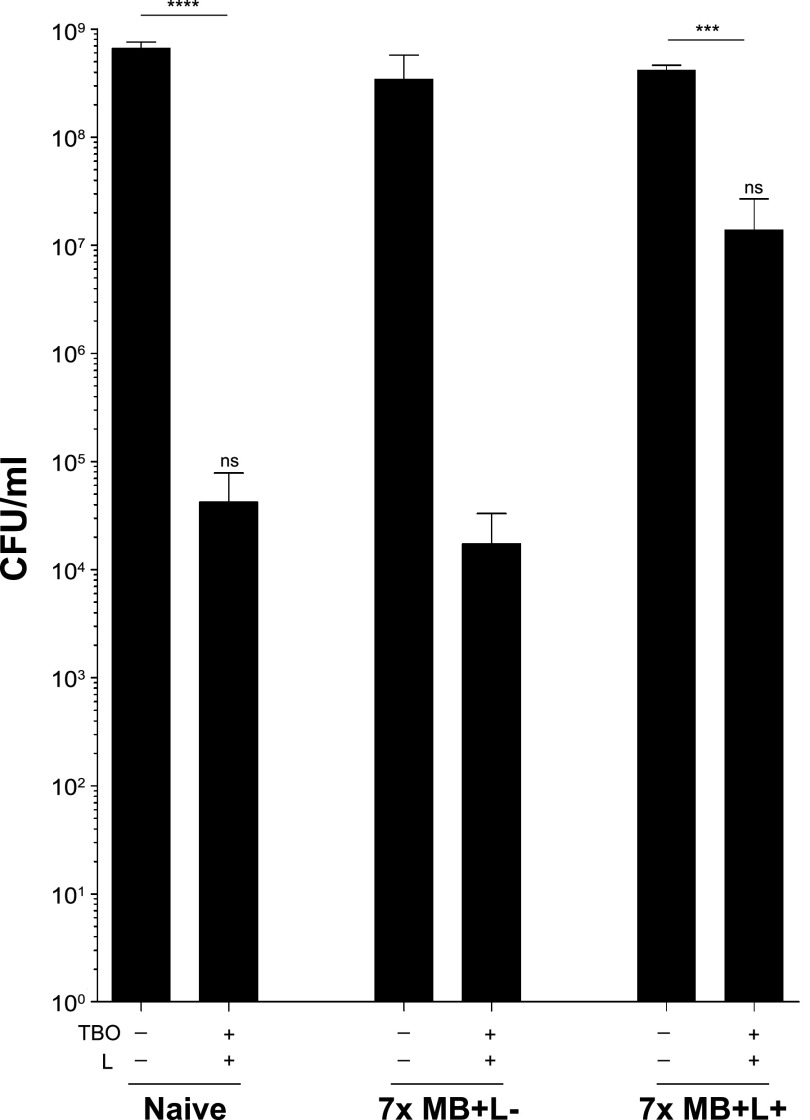
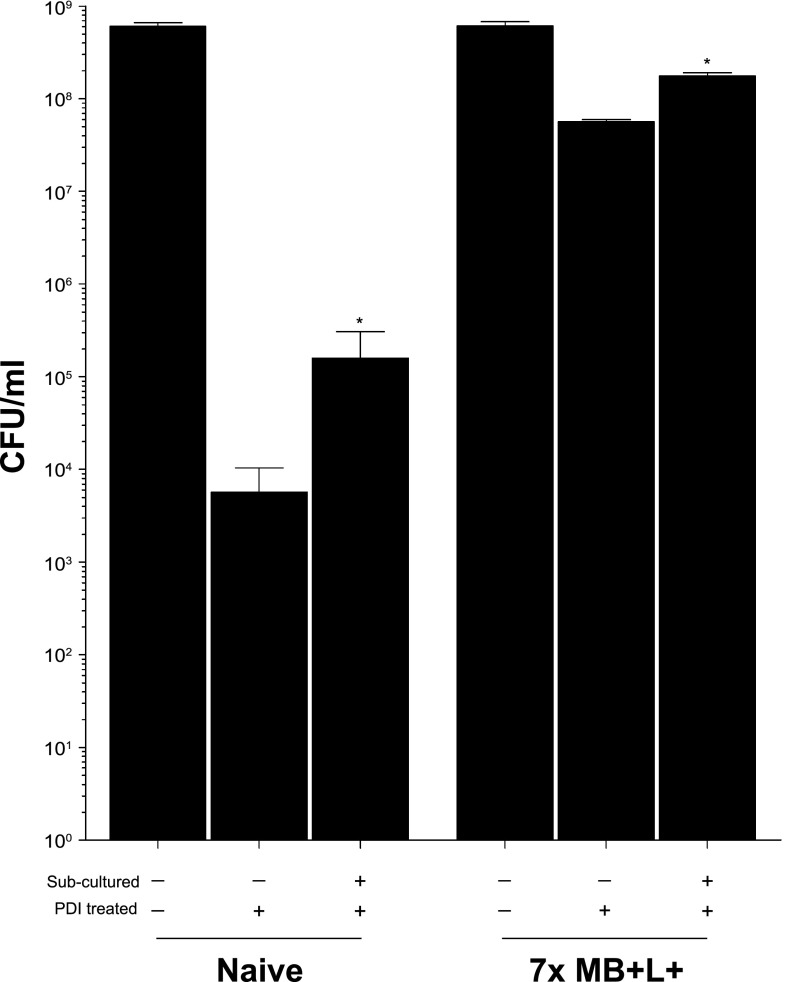
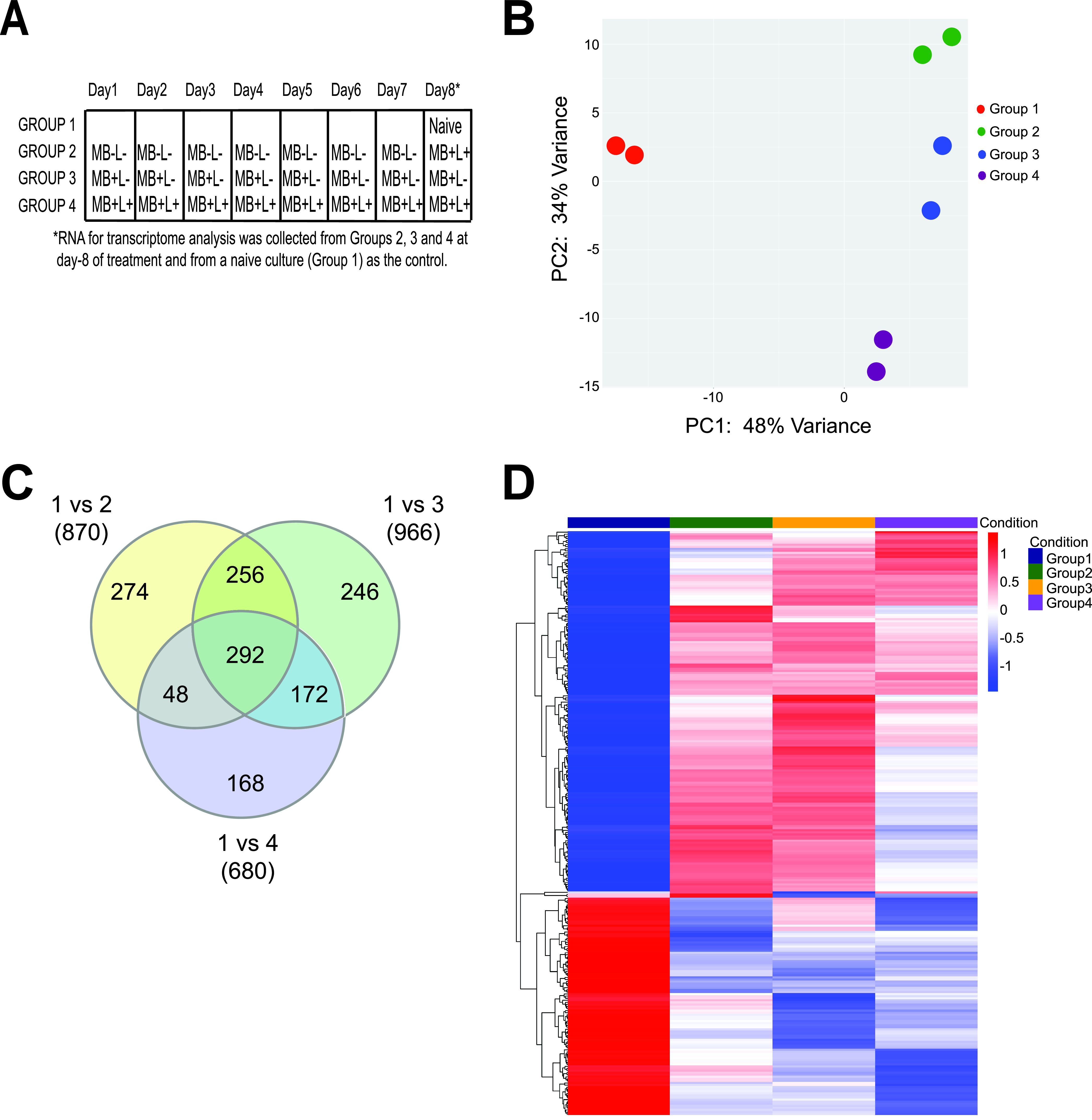
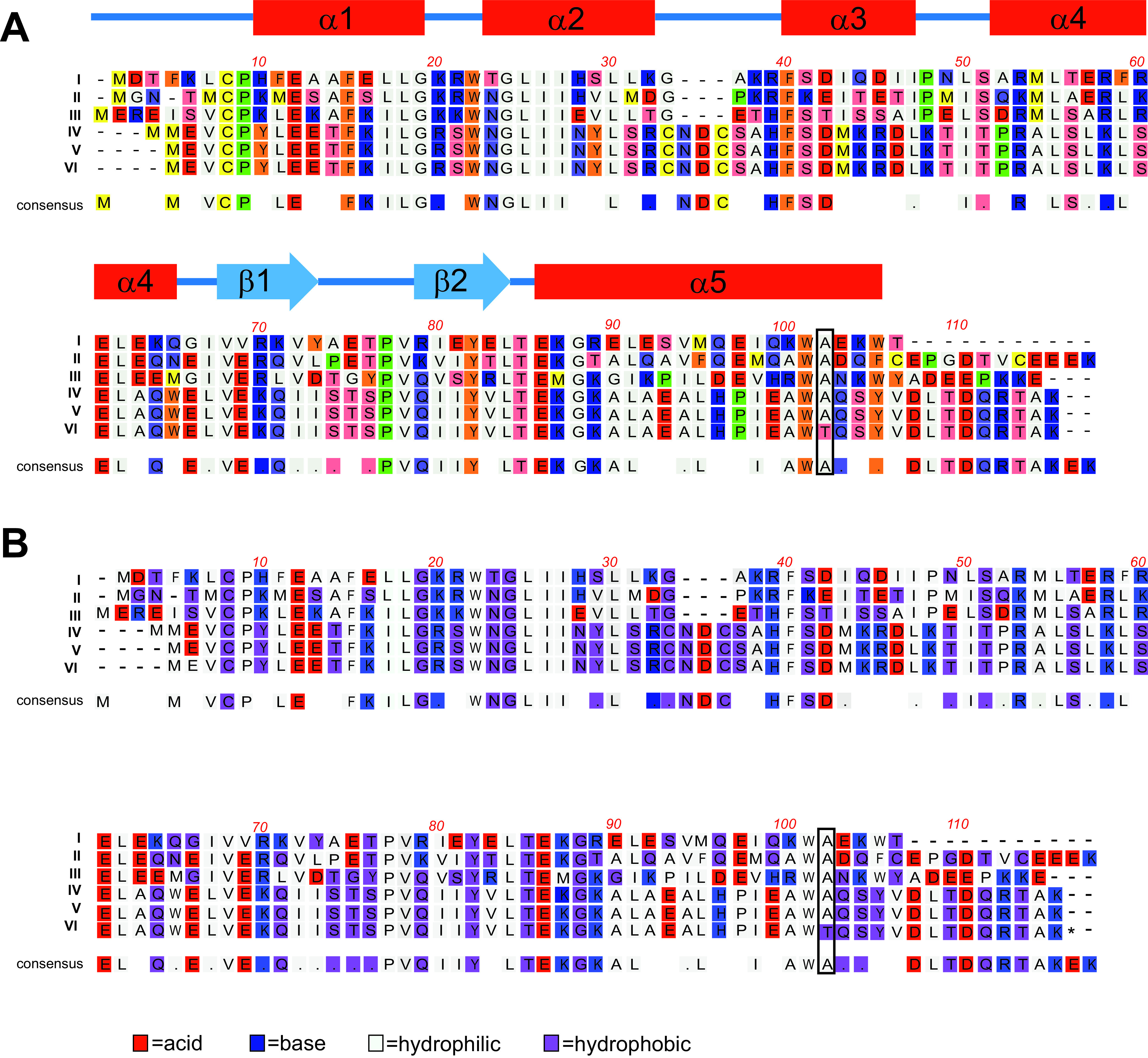
is an opportunistic pathogen with a clinical spectrum ranging from asymptomatic skin colonization to invasive infections. While traditional antibiotic therapies can be effective against , the increasing prevalence of antibiotic-resistant strains results in treatment failures and high mortality rates. Photodynamic inactivation (PDI) is an innovative and promising alternative to antibiotics. While progress has been made in our understanding of the bacterial response to PDI, major gaps remain in our knowledge of PDI tolerance, the global cellular response, and adaptive genomic mutations acquired as a result of PDI. To address these gaps, HG003 and isogenic mutants with mutations in , , , and exposed to single or multiple doses of PDI were assessed for survival and tolerance and examined by global transcriptome and genome analyses to identify regulatory and genetic adaptations that contribute to tolerance. Pathways in inorganic ion transport, oxidative response, DNA replication recombination and repair, and cell wall and membrane biogenesis were identified in a global cellular response to PDI. Tolerance to PDI was associated with superoxide dismutase and the global methylhydroquinone (MHQ)-quinone transcriptome network. Genome analysis of PDI-tolerant HG003 identified a nonsynonymous mutation in the quinone binding domain of the transcriptional repressor QsrR, which mediates quinone sensing and oxidant response. Acquisition of a heritable QsrR mutation through repeated PDI treatment demonstrates selective adaption of to PDI. PDI tolerance of a gene deletion in HG003 confirmed that QsrR regulates the response to PDI. can cause disease at most body sites, with illness ranging from asymptomatic infection to death. The increasing prevalence of antibiotic-resistant strains results in treatment failures and high mortality rates. acquires resistance to antibiotics through multiple mechanisms, often by genetic variation that alters antimicrobial targets. Photodynamic inactivation (PDI), which employs a combination of a nontoxic dye and low-intensity visible light, is a promising alternative to antibiotics that effectively eradicates in human infections when antibiotics are no longer effective. In this study, we demonstrate that repeated exposure to PDI results in resistance of to further PDI treatment and identify the underlying bacterial mechanisms that contribute to resistance. This work supports further analysis of these mechanisms and refinement of this novel technology as an adjunctive treatment for infections.
是一种机会性病原体,其临床谱从无症状皮肤定植到侵袭性感染不等。虽然传统的抗生素治疗对有效,但抗生素耐药株的日益流行导致治疗失败和高死亡率。光动力灭活(PDI)是抗生素的一种创新和有前途的替代方法。虽然我们对细菌对 PDI 的反应有了更多的了解,但我们对 PDI 耐受、全球细胞反应以及由于 PDI 而获得的适应性基因组突变仍然知之甚少。为了弥补这些差距,对 HG003 及其在 、 、 和 中具有突变的同源基因缺失突变体进行了单次或多次 PDI 处理后的存活和耐受评估,并通过全转录组和基因组分析来鉴定导致耐受的调节和遗传适应性。在对 PDI 的全细胞反应中鉴定出无机离子转运、氧化反应、DNA 复制重组和修复以及细胞壁和膜生物发生的途径。对 PDI 的耐受与超氧化物歧化酶和全局甲基氢醌(MHQ)-醌转录组网络有关。对 PDI 耐受的 HG003 的基因组分析鉴定出转录抑制剂 QsrR 的醌结合域中的一个非同义突变,该突变介导醌感应和氧化反应。通过重复 PDI 处理获得可遗传的 QsrR 突变表明 对 PDI 的选择性适应。在 HG003 中删除 基因的 PDI 耐受性证实了 QsrR 调节 对 PDI 的反应。可引起大多数身体部位的疾病,从无症状感染到死亡不等。抗生素耐药株的日益流行导致治疗失败和高死亡率。通过多种机制获得抗生素耐药性,通常通过改变抗菌靶标的遗传变异。光动力灭活(PDI)采用无毒染料和低强度可见光的组合,是抗生素的一种有前途的替代方法,当抗生素不再有效时,它可以有效地根除人类感染中的 。在这项研究中,我们证明了重复暴露于 PDI 会导致 对进一步 PDI 治疗的耐药性,并确定了导致耐药性的细菌机制。这项工作支持对这些机制的进一步分析,并作为 感染的辅助治疗方法对这项新技术进行细化。