Primus Shekerah, Rocha Sandra C, Giacani Lorenzo, Parveen Nikhat
Department of Microbiology, Biochemistry and Molecular Genetics, Rutgers New Jersey Medical School, Newark, NJ, United States.
Department of Medicine, Division of Allergy and Infectious Diseases, University of Washington, Seattle, WA, United States.
Front Microbiol. 2020 Dec 21;11:621654. doi: 10.3389/fmicb.2020.621654. eCollection 2020.
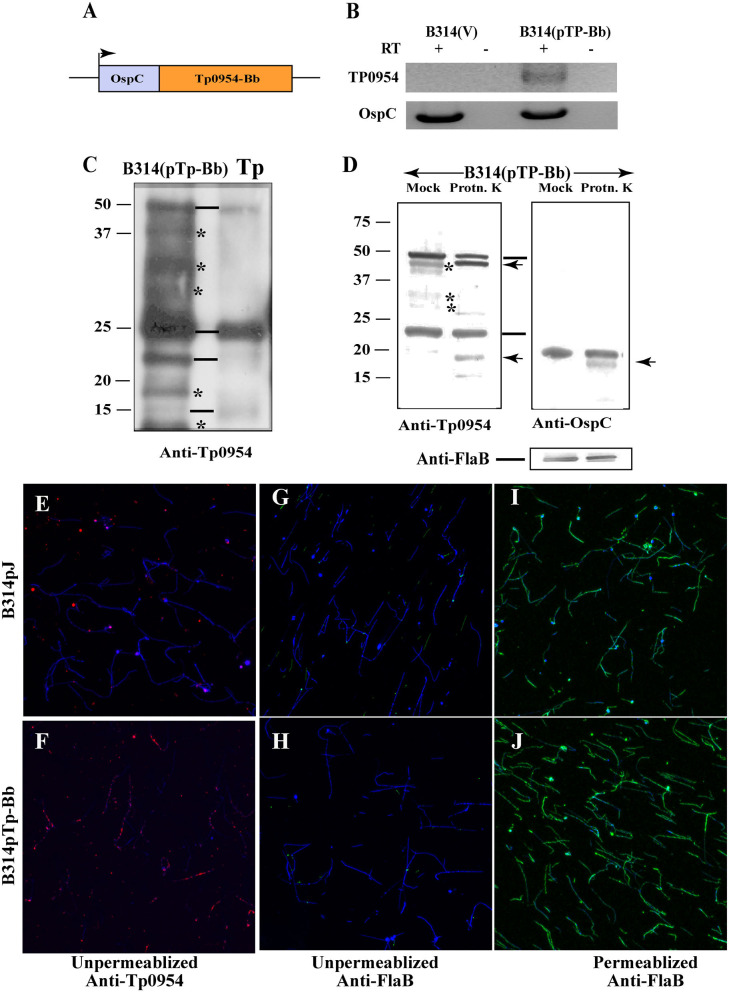
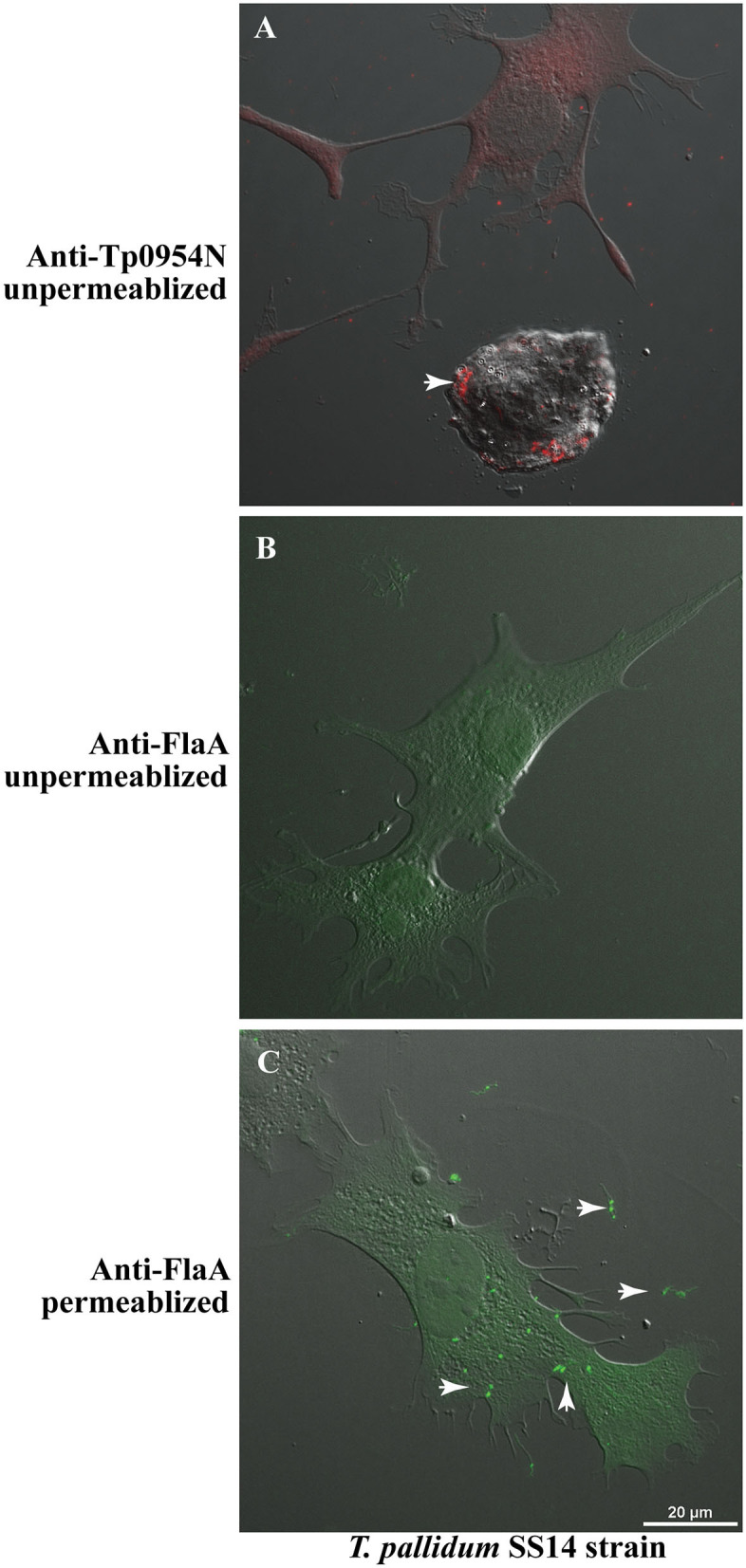
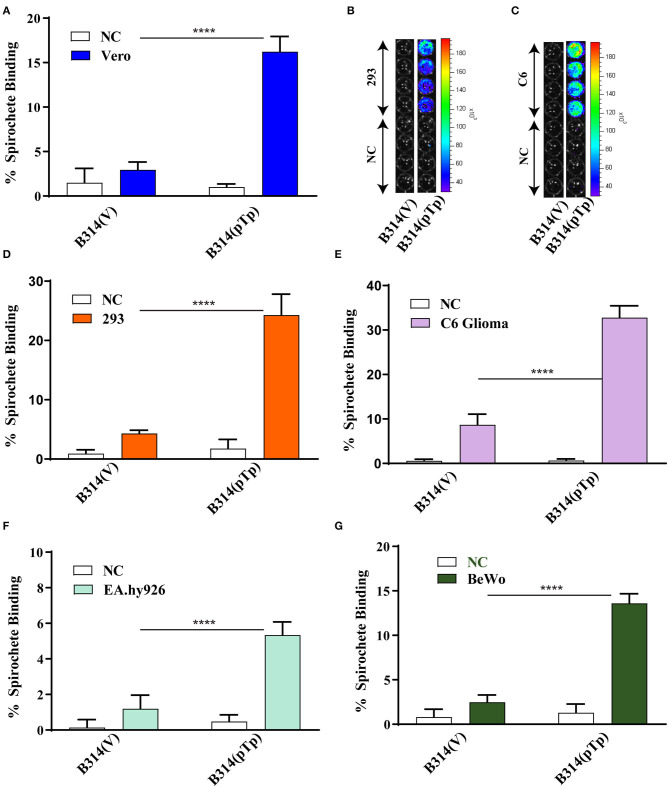
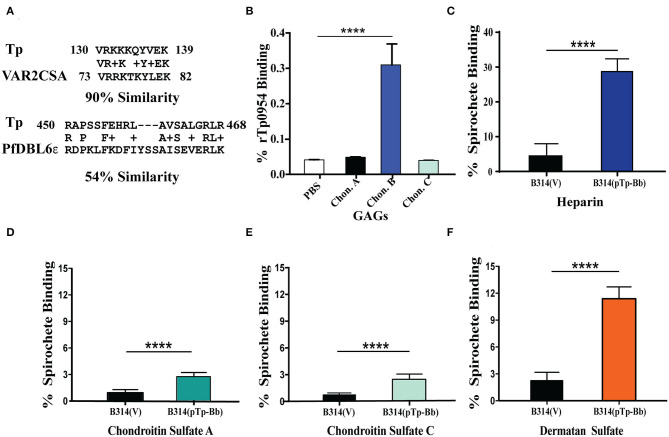
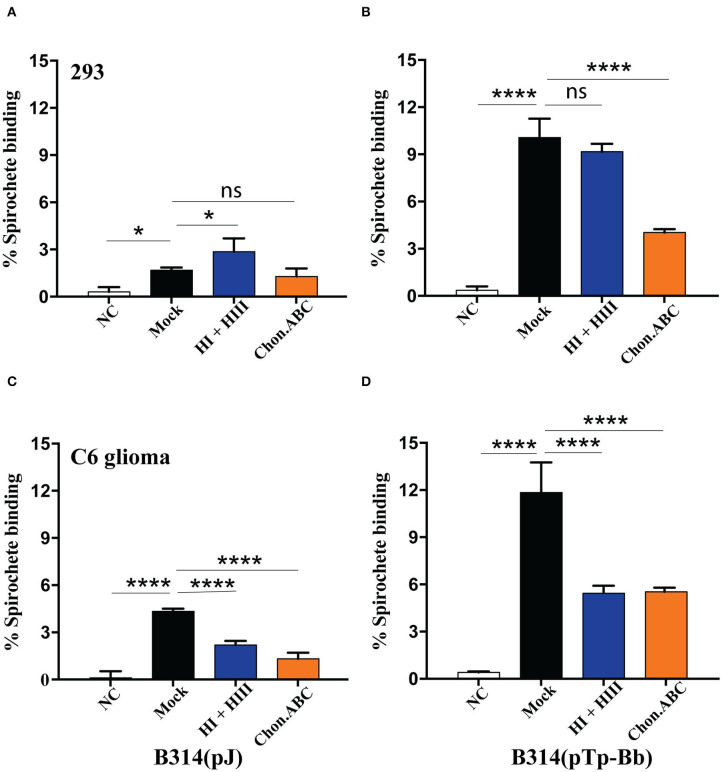
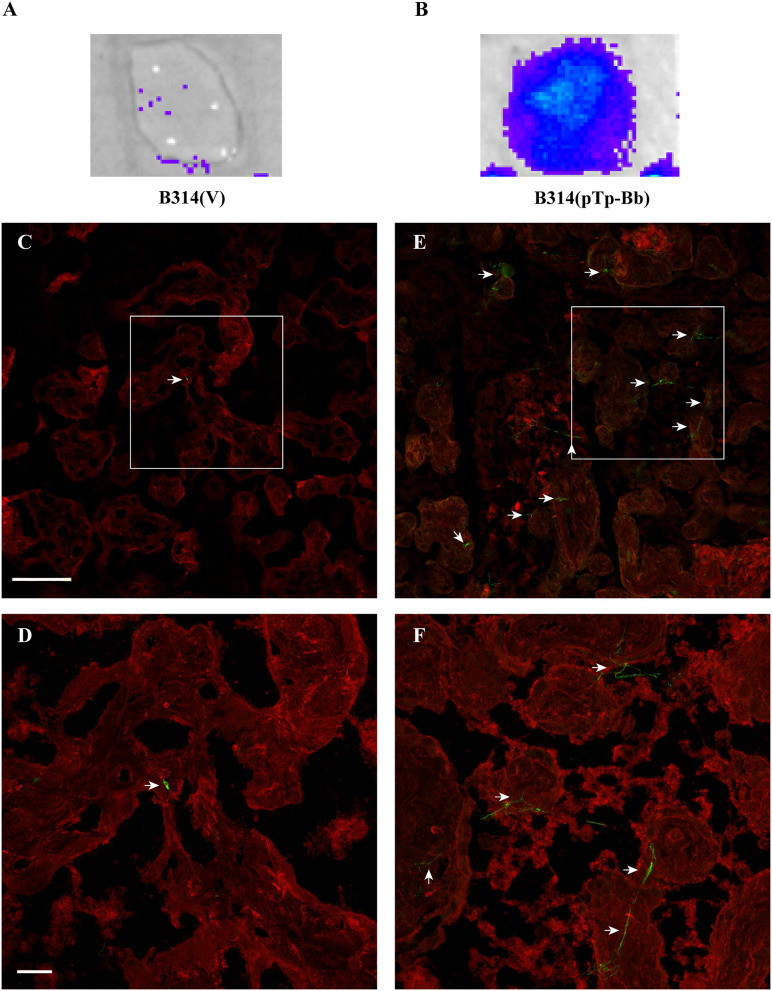
Syphilis is a global, re-emerging sexually transmitted infection and congenital syphilis remains a major cause of adverse pregnancy outcomes due to bacterial infection in developing nations with a high rate of fetus loss. The molecular mechanisms involved in pathogenesis of the causative agent, subsp. remain poorly understood due to the difficulties of working with this pathogen, including the inability to grow it in pure culture. To reduce the spread of syphilis, we must first increase our knowledge of the virulence factors of and their contribution to syphilis manifestations. Tp0954 was predicted to be a surface lipoprotein of . Therefore, we experimentally demonstrated that Tp0954 is indeed a surface protein and further investigated its role in mediating bacterial attachment to various mammalian host cells. We found that expression of Tp0954 in a poorly adherent, but physiologically related derivative strain of the Lyme disease causing spirochete B314 strain promotes its binding to epithelial as well as non-epithelial cells including glioma and placental cell lines. We also found that Tp0954 expression facilitates binding of this strain to purified dermatan sulfate and heparin, and also that bacterial binding to mammalian cell lines is mediated by the presence of heparan sulfate and dermatan sulfate in the extracellular matrix of the specific cell lines. These results suggest that Tp0954 may be involved not only in initiating infection by colonizing skin epithelium, but it may also contribute to disseminated infection and colonization of distal tissues. Significantly, we found that Tp0954 promotes binding to the human placental choriocarcinoma BeWo cell line, which is of trophoblastic endocrine cell type, as well as human placental tissue sections, suggesting its role in placental colonization and possible contribution to transplacental transmission of . Altogether, these novel findings offer an important step toward unraveling syphilis pathogenesis, including placental colonization and vertical transmission from mother to fetus during pregnancy.
梅毒是一种在全球范围内再度出现的性传播感染疾病,在发展中国家,先天性梅毒仍是导致不良妊娠结局的主要原因,因细菌感染致使胎儿流失率居高不下。由于研究梅毒病原体梅毒螺旋体亚种致病机制存在困难,包括无法在纯培养环境中培养该病原体,所以人们对其致病的分子机制仍知之甚少。为减少梅毒传播,我们首先必须加深对梅毒螺旋体毒力因子及其在梅毒表现中所起作用的了解。Tp0954被预测为梅毒螺旋体的一种表面脂蛋白。因此,我们通过实验证明Tp0954确实是一种表面蛋白,并进一步研究了它在介导细菌与各种哺乳动物宿主细胞黏附中的作用。我们发现,在导致莱姆病的螺旋体B314菌株的一个黏附性较差但生理特性相关的衍生菌株中表达Tp0954,可促进其与上皮细胞以及包括胶质瘤和胎盘细胞系在内的非上皮细胞结合。我们还发现,Tp0954的表达有助于该菌株与纯化的硫酸皮肤素和肝素结合,而且该菌株与哺乳动物细胞系的结合是由特定细胞系细胞外基质中硫酸乙酰肝素和硫酸皮肤素的存在介导的。这些结果表明,Tp0954不仅可能通过定殖于皮肤上皮引发梅毒感染,还可能在远端组织的播散性感染和定殖中发挥作用。值得注意的是,我们发现Tp0954促进与滋养层内分泌细胞类型的人胎盘绒毛膜癌BeWo细胞系以及人胎盘组织切片的结合,这表明它在胎盘定殖中发挥作用,并可能对梅毒螺旋体的胎盘传播有影响。总之,这些新发现为揭示梅毒发病机制,包括胎盘定殖以及孕期梅毒螺旋体从母亲到胎儿的垂直传播迈出了重要一步。