Stoyanov George S, Petkova Lilyana, Dzhenkov Deyan L, Sapundzhiev Nikolay R, Todorov Iliyan
General and Clinical Pathology/Forensic Medicine and Deontology, Medical University of Varna, Varna, BGR.
Otolaryngology, Medical University of Varna, Varna, BGR.
Cureus. 2020 Dec 4;12(12):e11912. doi: 10.7759/cureus.11912.
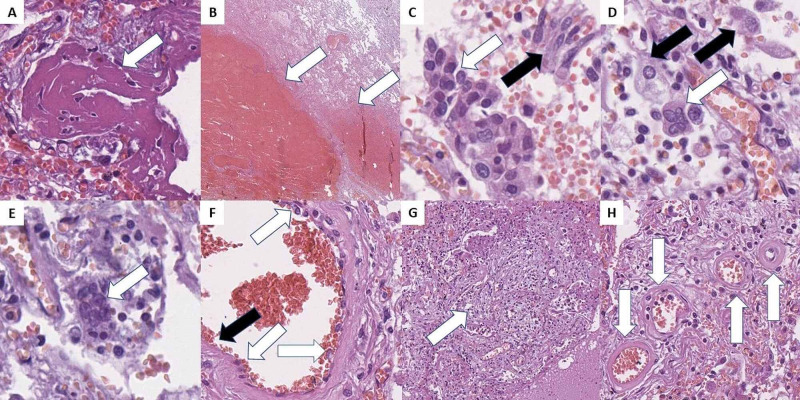
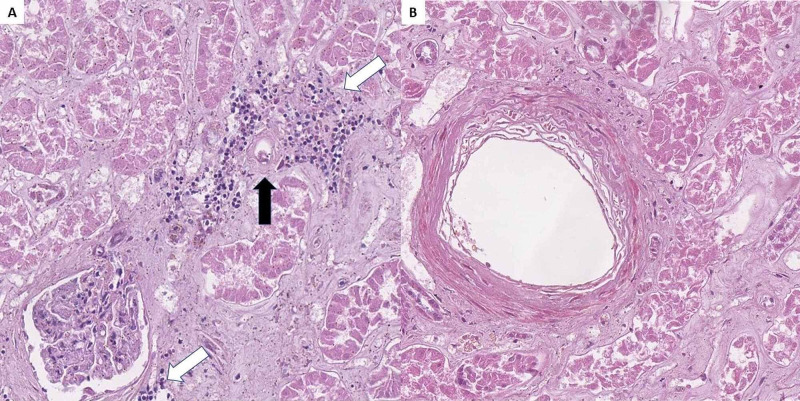
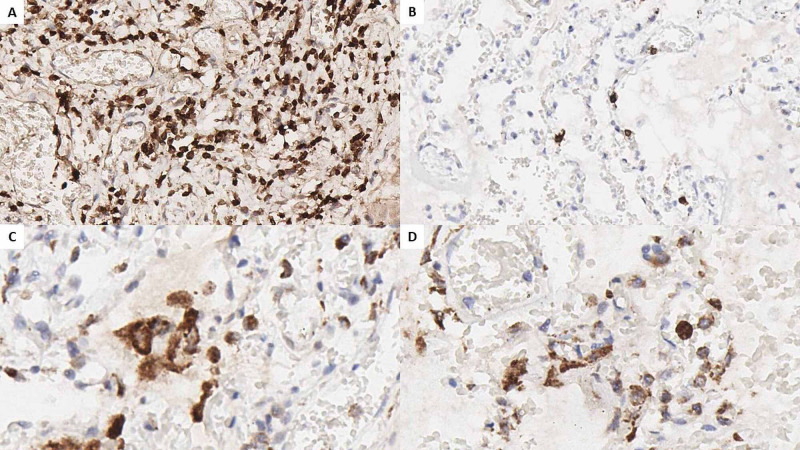
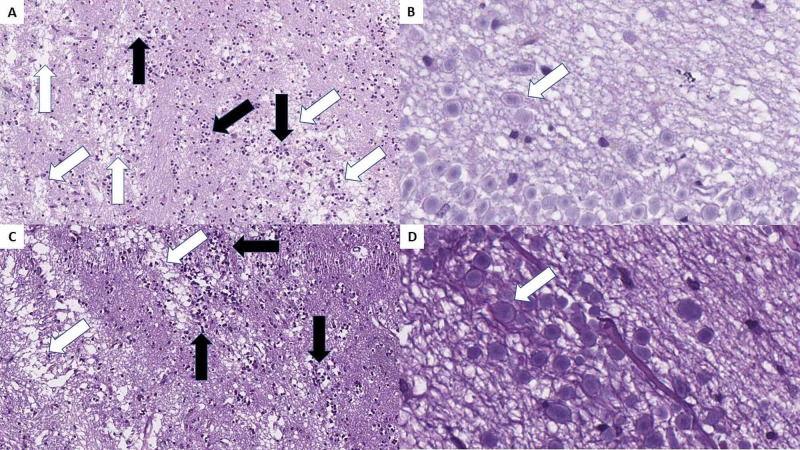
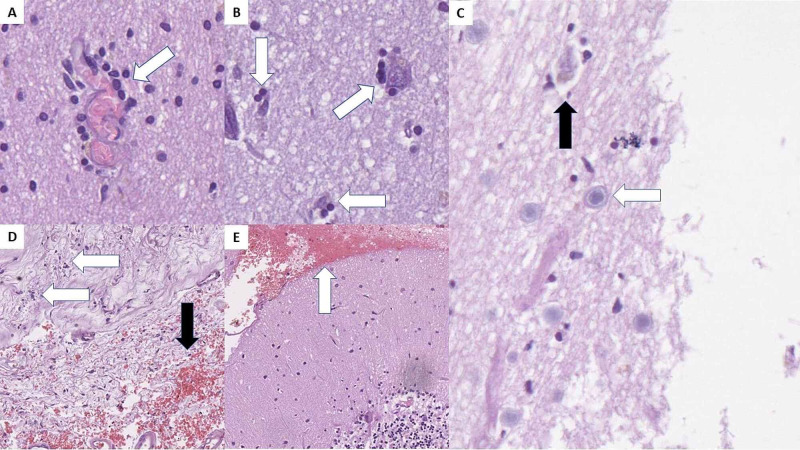
In nearly a year since the first reported cases of coronavirus disease 2019 (COVID-19), caused by the severe acute respiratory syndrome coronavirus 2 (SARS-CoV-2), a lot has been established about the virus. Correlates in regards to the biology and cellular effects of SARS-CoV-2 have brought a lot of explanations to the clinical manifestations of the disease and possible therapeutic modalities. However, despite the discoveries made, the tropism of SARS-CoV-2 has not yet been fully established, nor have all the clinical aspects of COVID-19. Herein we report the gross and histological findings in two diseased patients. Apart from the already established pulmonary and vascular changes caused by SARS-CoV-2, we report the presence of histological changes of the olfactory bulbs and frontal lobes of the brain, which may present as a correlate for COVID-19 related anosmia. The olfactory bulbs histologically showed necrotizing olfactory bulbitis. As both the olfactory bulb and frontal lobe of the cerebrum are key areas of olfaction, we believe that this tropism of SARS-CoV-2 may be key to the development of anosmia and not changes within the nasal cavity.
自首次报告由严重急性呼吸综合征冠状病毒2(SARS-CoV-2)引起的2019冠状病毒病(COVID-19)病例以来的近一年时间里,关于这种病毒已经有了很多认识。与SARS-CoV-2的生物学特性和细胞效应相关的研究,为该疾病的临床表现及可能的治疗方式提供了诸多解释。然而,尽管有这些发现,SARS-CoV-2的嗜性尚未完全明确,COVID-19的所有临床特征也未完全清楚。在此,我们报告两名患病患者的大体和组织学检查结果。除了已确定的由SARS-CoV-2引起的肺部和血管变化外,我们报告了嗅球和大脑额叶存在组织学改变,这可能是与COVID-19相关嗅觉丧失的一个关联因素。嗅球组织学检查显示坏死性嗅球炎。由于嗅球和大脑额叶都是嗅觉的关键区域,我们认为SARS-CoV-2的这种嗜性可能是嗅觉丧失发生的关键因素,而非鼻腔内的变化。