Structural Bioinformatics Lab, CSIR-Institute of Himalayan Bioresource Technology (CSIR-IHBT), Palampur, HP 176061, India; Biotechnology Division, CSIR-IHBT, Palampur, HP 176061, India.
Structural Bioinformatics Lab, CSIR-Institute of Himalayan Bioresource Technology (CSIR-IHBT), Palampur, HP 176061, India; Biotechnology Division, CSIR-IHBT, Palampur, HP 176061, India; Academy of Scientific & Innovative Research (AcSIR), CSIR-IHBT Campus, Palampur, HP 176061, India.
Food Chem. 2021 Jun 1;346:128933. doi: 10.1016/j.foodchem.2020.128933. Epub 2020 Dec 28.
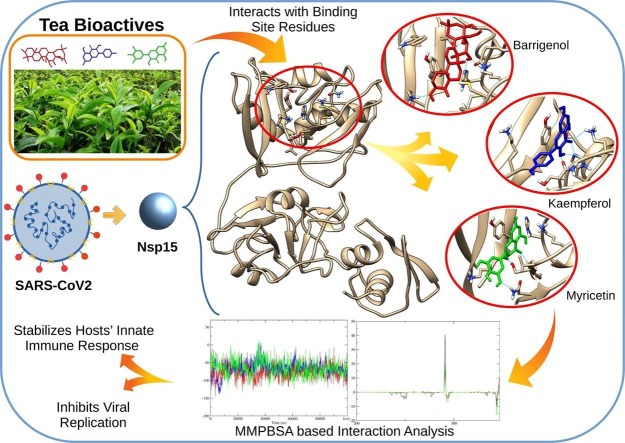
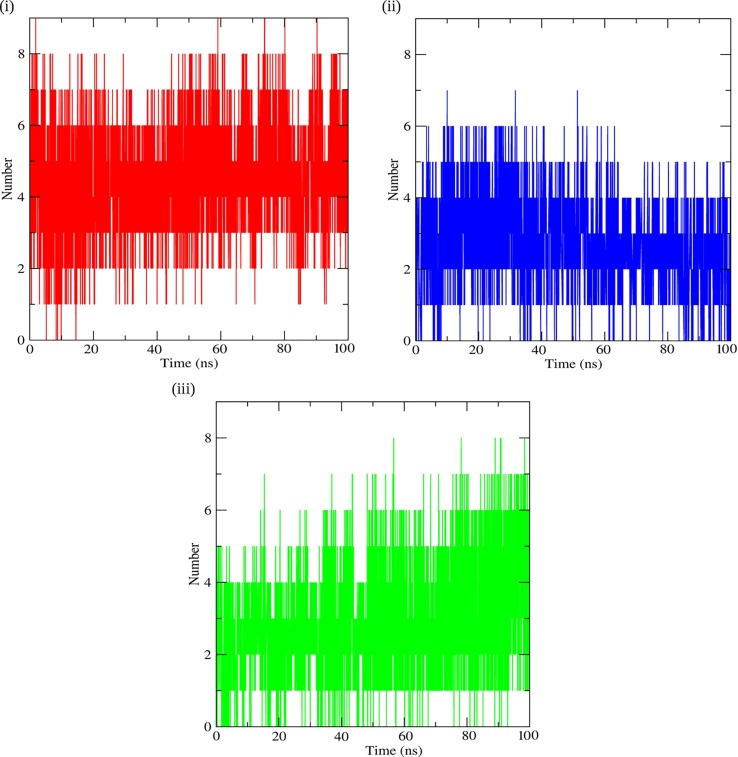
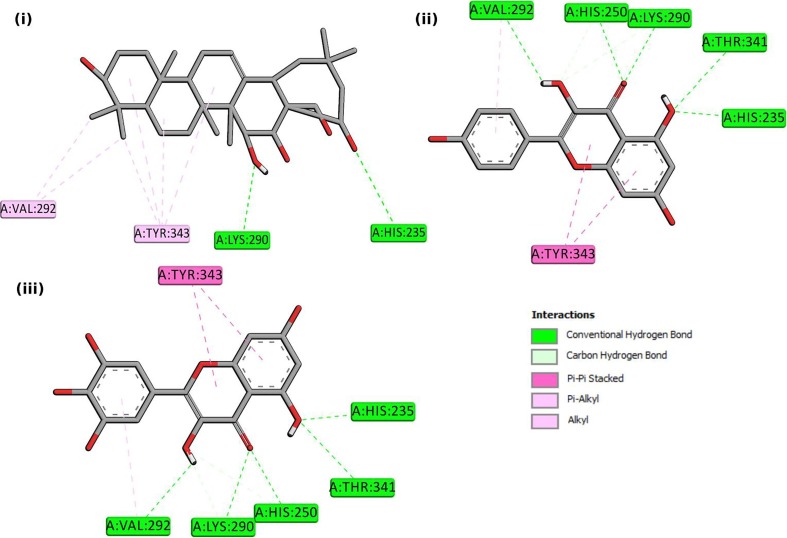
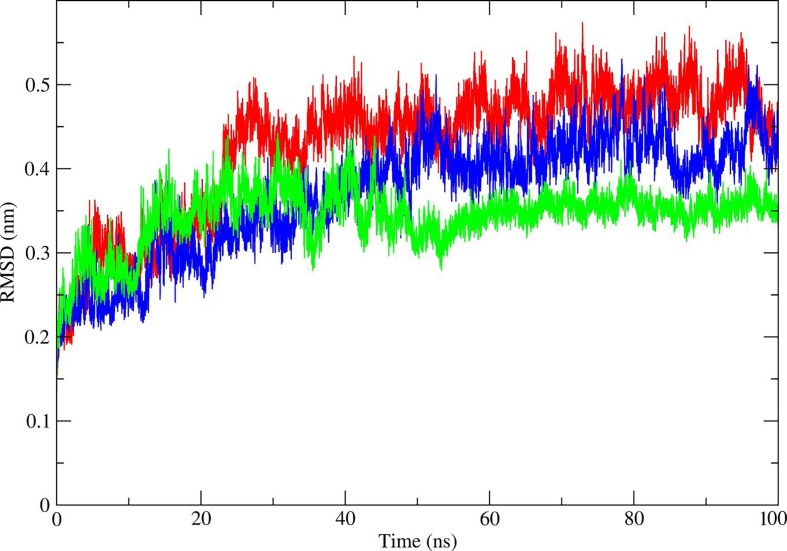
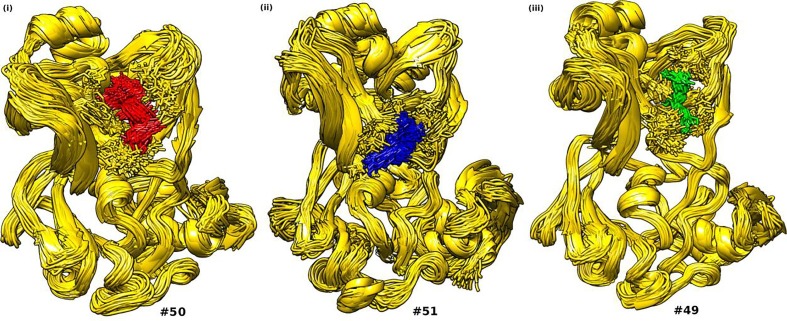
Immensely aggravated situation of COVID-19 has pushed the scientific community towards developing novel therapeutics to fight the pandemic. Small molecules can possibly prevent the spreading infection by targeting specific vital components of the viral genome. Non-structural protein 15 (Nsp15) has emerged as a promising target for such inhibitor molecules. In this investigation, we docked bioactive molecules of tea onto the active site of Nsp15. Based on their docking scores, top three molecules (Barrigenol, Kaempferol, and Myricetin) were selected and their conformational behavior was analyzed via molecular dynamics simulations and MMPBSA calculations. The results indicated that the protein had well adapted the ligands in the binding pocket thereby forming stable complexes. These molecules displayed low binding energy during MMPBSA calculations, substantiating their strong association with Nsp15. The inhibitory potential of these molecules could further be examined by in-vivo and in-vitro investigations to validate their use as inhibitors against Nsp15 of SARS-CoV2.
COVID-19 疫情形势严峻,促使科学界研发新型疗法以应对这一大流行病。小分子药物有可能通过靶向病毒基因组的特定关键成分来阻止感染的传播。非结构蛋白 15(Nsp15)已成为此类抑制剂分子的一个有前途的靶标。在这项研究中,我们将茶叶中的生物活性分子对接至 Nsp15 的活性位点。根据它们的对接分数,选择了前三种分子(Barrigenol、山柰酚和杨梅素),并通过分子动力学模拟和 MMPBSA 计算分析了它们的构象行为。结果表明,该蛋白很好地适应了结合口袋中的配体,从而形成了稳定的复合物。在 MMPBSA 计算中,这些分子表现出较低的结合能,这证明了它们与 Nsp15 的强结合。这些分子的抑制潜力可以通过体内和体外研究进一步检查,以验证它们作为针对 SARS-CoV2 的 Nsp15 抑制剂的用途。