Wang Xiaqin, Yan Xinyang, Li Shubin, Jing Yun, Gu Lianfeng, Zou Shuangquan, Zhang Jin, Liu Bobin
College of Forestry, Fujian Agriculture and Forestry University, Fuzhou, 350002, China.
Fujian Colleges and Universities Engineering Research Institute of Conservation & Utilization of Natural Bioresources, Fujian Agriculture and Forestry University, Fuzhou, 350002, China.
BMC Genomics. 2021 Jan 10;22(1):45. doi: 10.1186/s12864-020-07290-7.
Aspartic proteases (APs) are a class of aspartic peptidases belonging to nine proteolytic enzyme families whose members are widely distributed in biological organisms. APs play essential functions during plant development and environmental adaptation. However, there are few reports about APs in fast-growing moso bamboo.
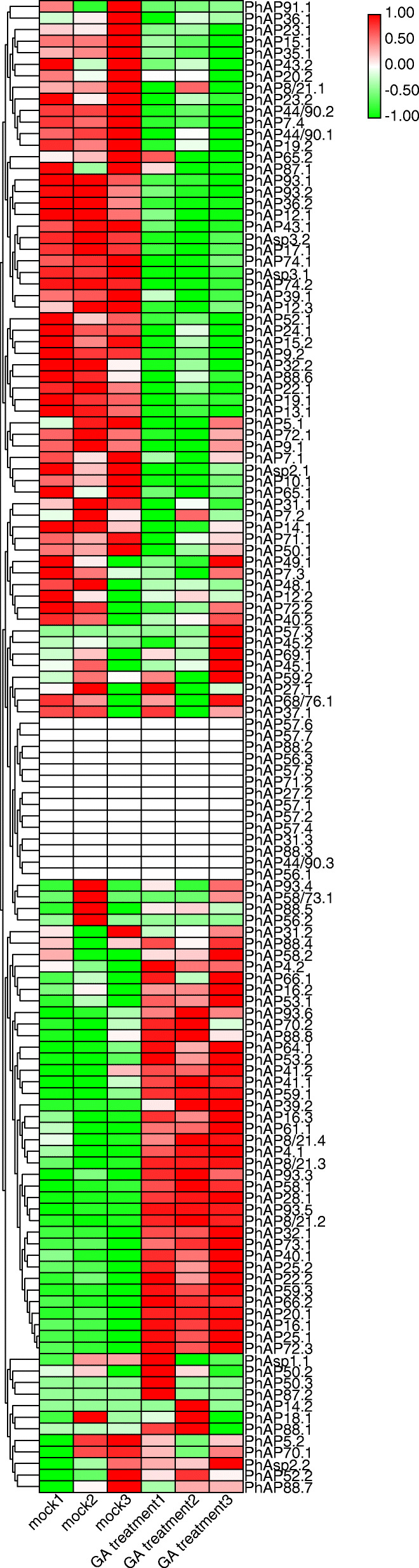
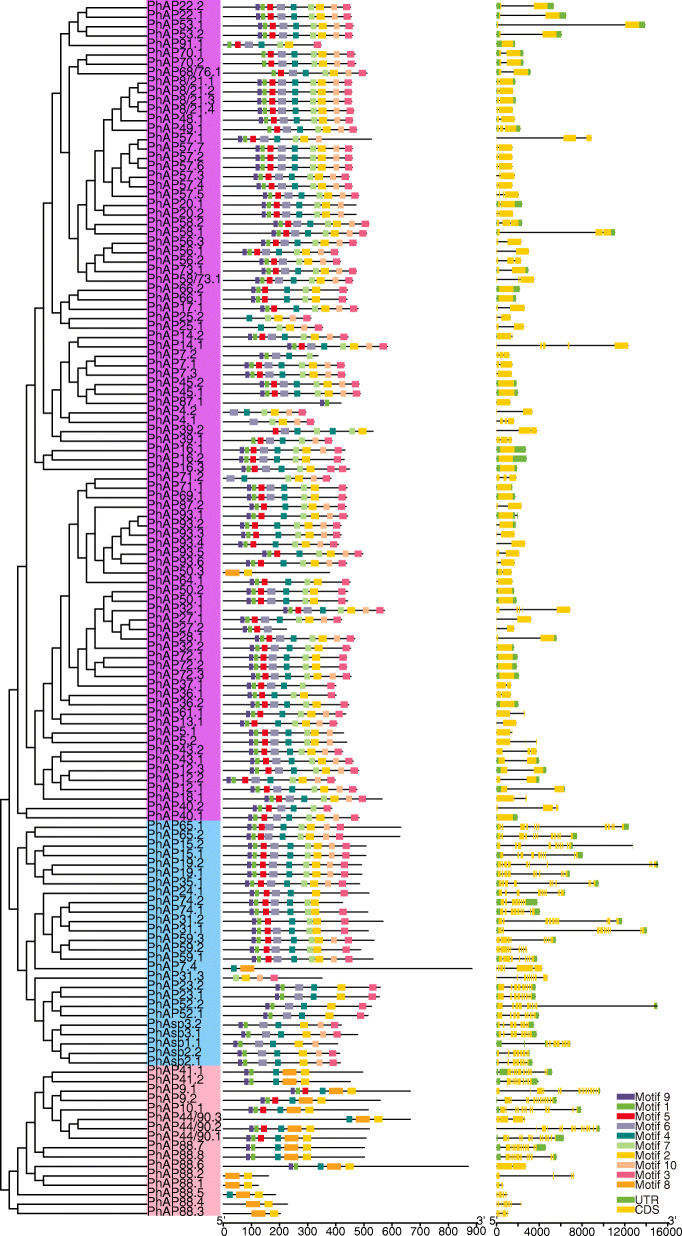
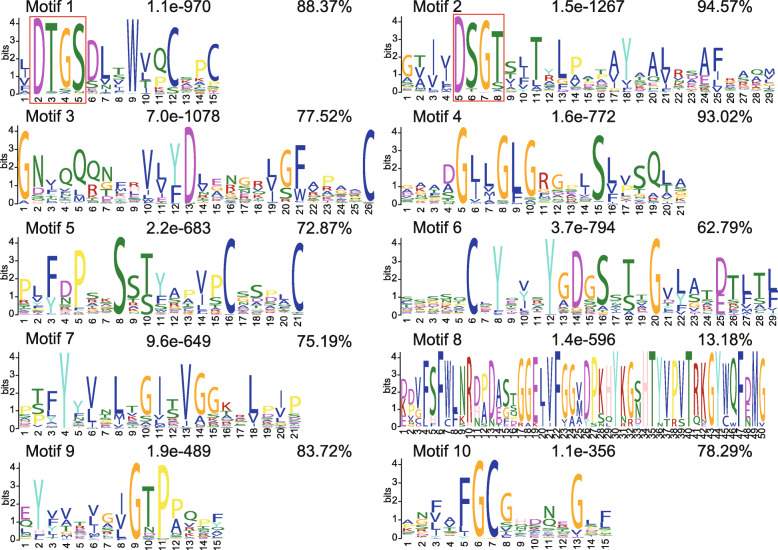
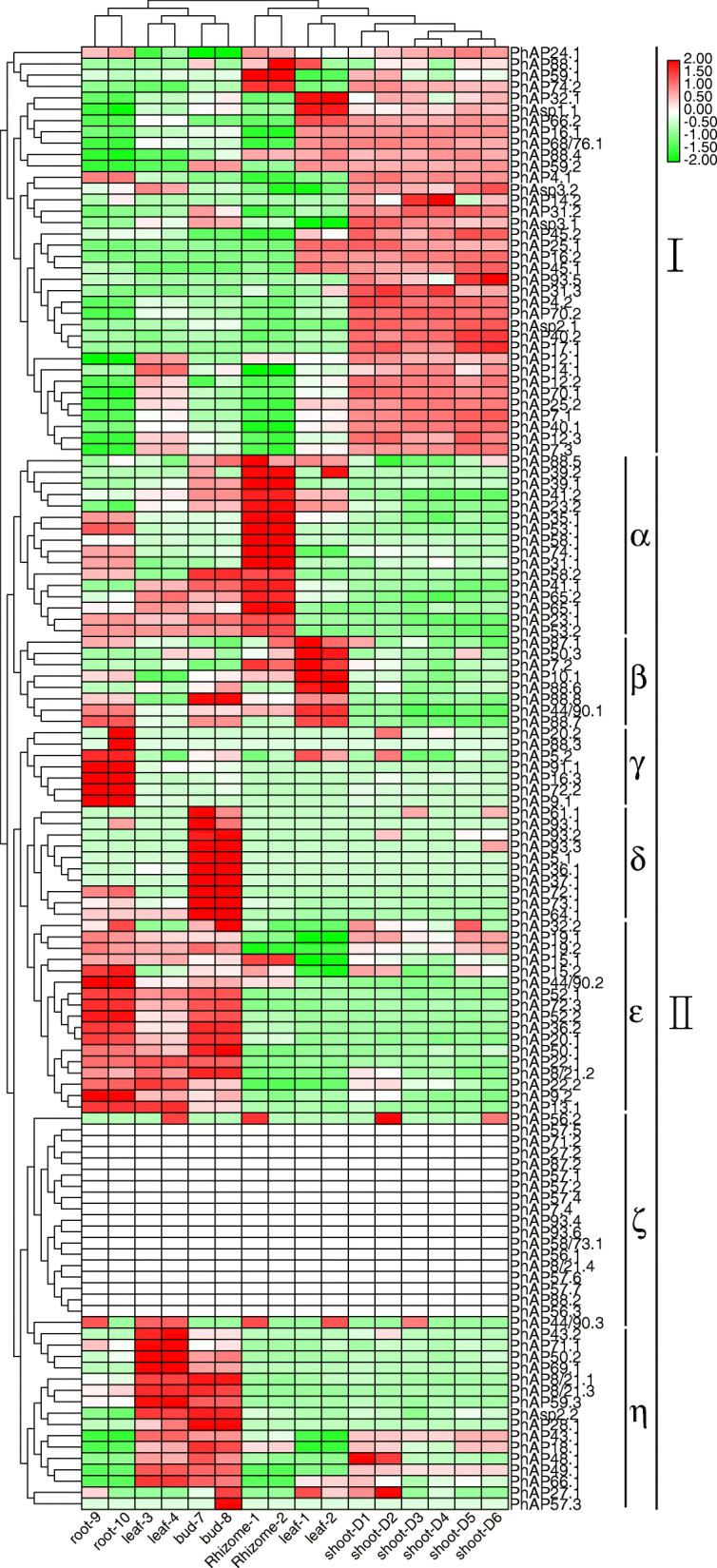
In this study, we identified a total of 129 AP proteins (PhAPs) encoded by the moso bamboo genome. Phylogenetic and gene structure analyses showed that these 129 PhAPs could be divided into three categories (categories A, B and C). The PhAP gene family in moso bamboo may have undergone gene expansion, especially the members of categories A and B, although homologs of some members in category C have been lost. The chromosomal location of PhAPs suggested that segmental and tandem duplication events were critical for PhAP gene expansion. Promoter analysis revealed that PhAPs in moso bamboo may be involved in plant development and responses to environmental stress. Furthermore, PhAPs showed tissue-specific expression patterns and may play important roles in rapid growth, including programmed cell death, cell division and elongation, by integrating environmental signals such as light and gibberellin signals.
Comprehensive analysis of the AP gene family in moso bamboo suggests that PhAPs have experienced gene expansion that is distinct from that in rice and may play an important role in moso bamboo organ development and rapid growth. Our results provide a direction and lay a foundation for further analysis of plant AP genes to clarify their function during rapid growth.
天冬氨酸蛋白酶(APs)是一类属于9个蛋白水解酶家族的天冬氨酸肽酶,其成员广泛分布于生物有机体中。APs在植物发育和环境适应过程中发挥着重要作用。然而,关于快速生长的毛竹中APs的报道较少。
在本研究中,我们共鉴定出129个由毛竹基因组编码的AP蛋白(PhAPs)。系统发育和基因结构分析表明,这129个PhAPs可分为三类(A类、B类和C类)。毛竹中的PhAP基因家族可能经历了基因扩张,尤其是A类和B类成员,尽管C类中一些成员的同源物已经丢失。PhAPs的染色体定位表明,片段重复和串联重复事件对PhAP基因扩张至关重要。启动子分析表明,毛竹中的PhAPs可能参与植物发育和对环境胁迫的响应。此外,PhAPs表现出组织特异性表达模式,并且可能通过整合光和赤霉素信号等环境信号,在包括程序性细胞死亡、细胞分裂和伸长在内的快速生长中发挥重要作用。
对毛竹AP基因家族的综合分析表明,PhAPs经历了与水稻不同的基因扩张,可能在毛竹器官发育和快速生长中发挥重要作用。我们的结果为进一步分析植物AP基因以阐明其在快速生长过程中的功能提供了方向并奠定了基础。