Teles-de-Freitas Rayane, Rivas Gustavo B S, Peixoto Alexandre A, Bruno Rafaela Vieira
Laboratório de Biologia Molecular de Insetos, Instituto Oswaldo Cruz, Fundação Oswaldo Cruz, Rio de Janeiro, Brazil.
Department of Biology, Center for Biological Clocks Research, Texas A&M University, College Station, TX, United States.
Front Physiol. 2020 Dec 23;11:614722. doi: 10.3389/fphys.2020.614722. eCollection 2020.
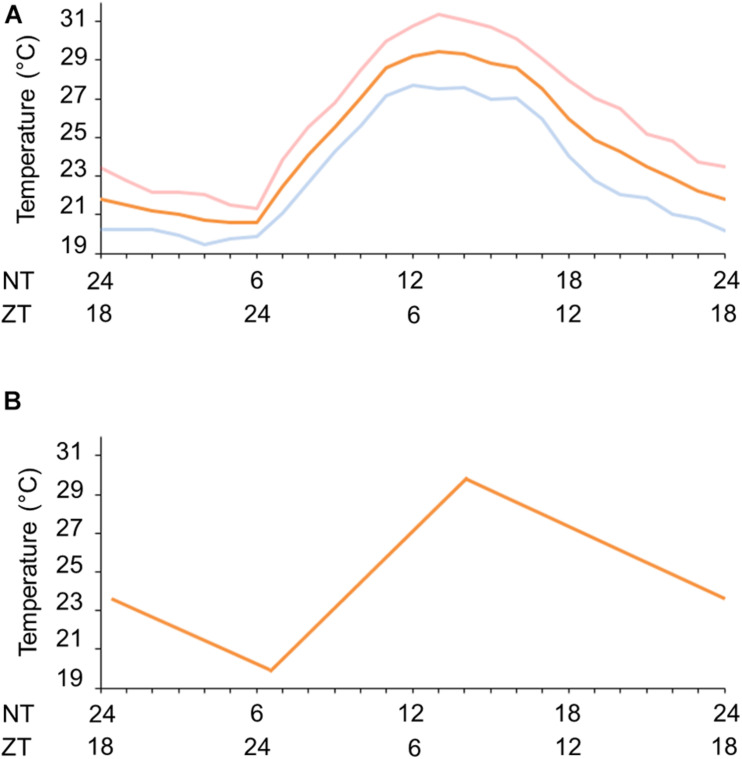
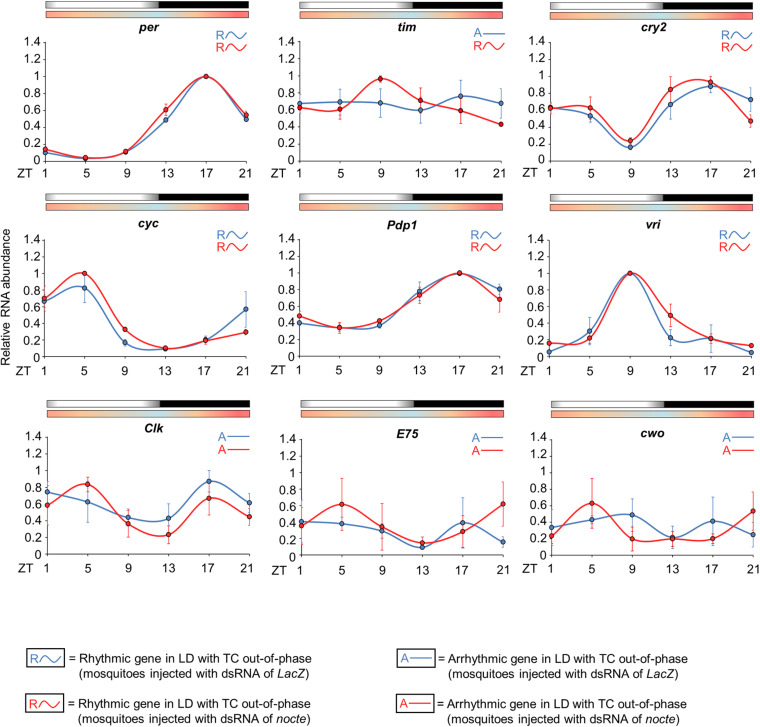
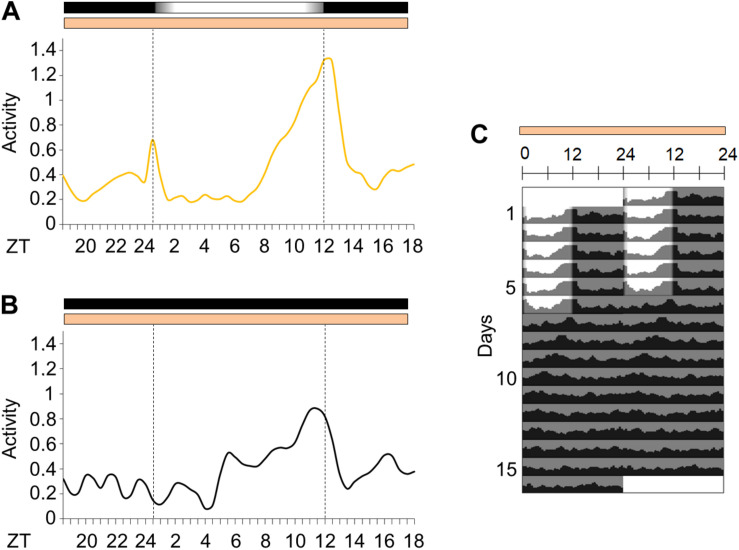
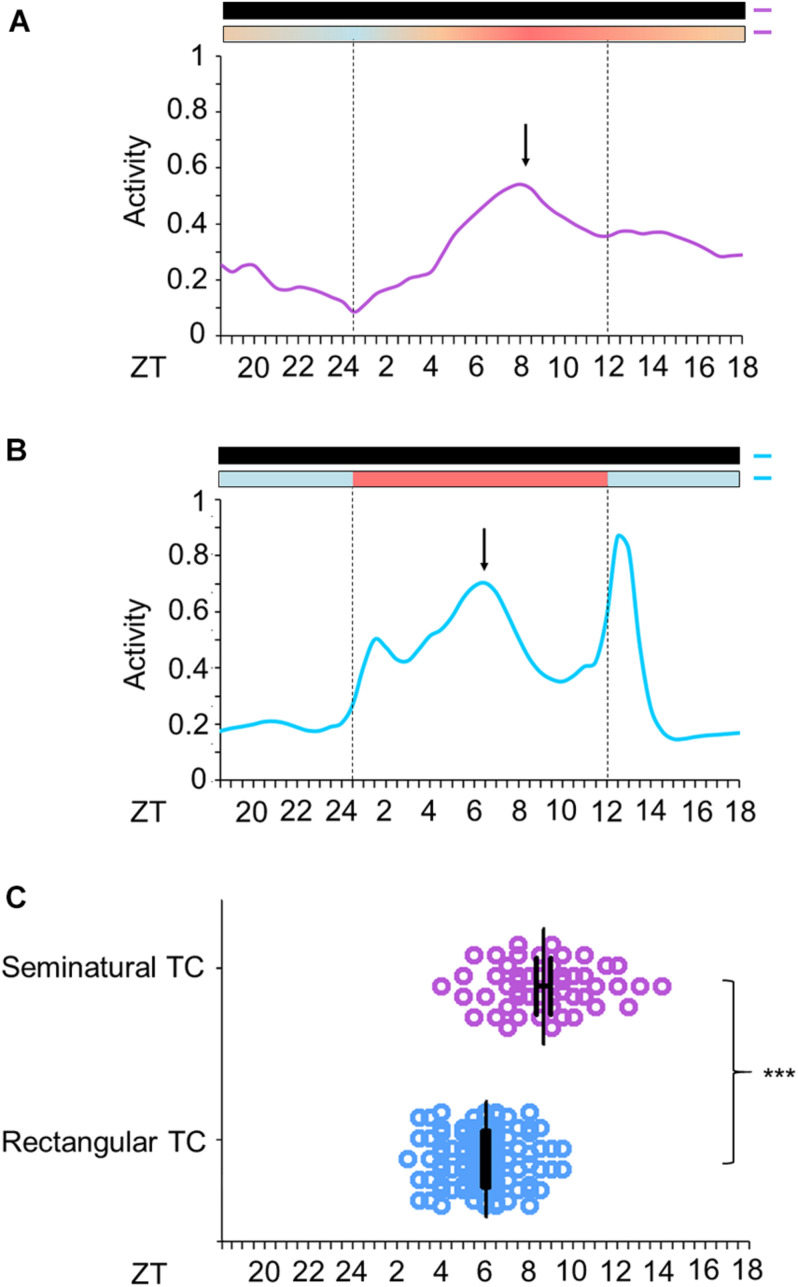
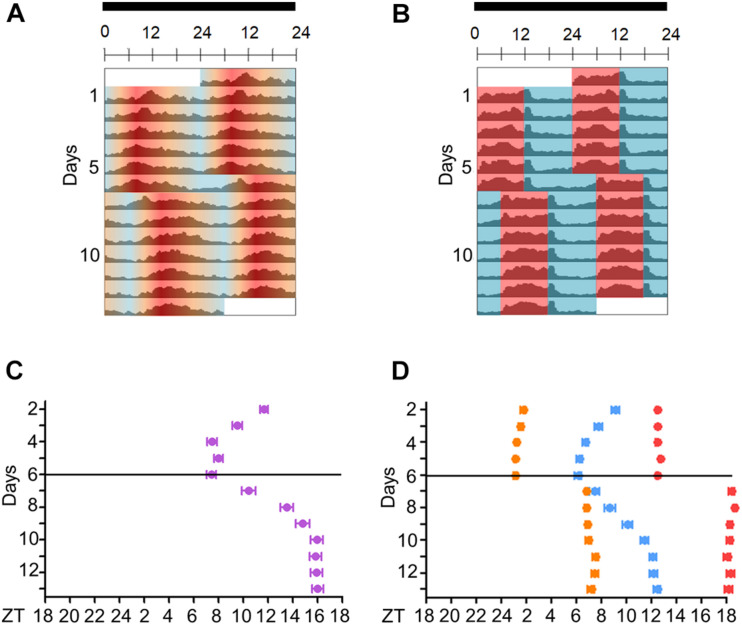
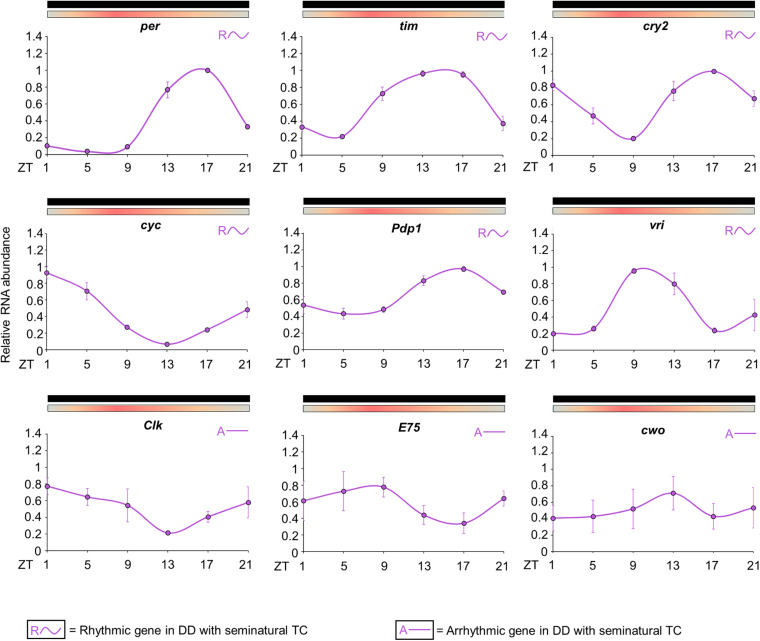
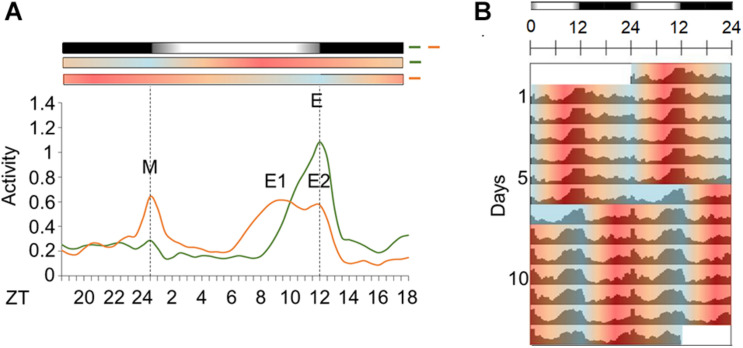
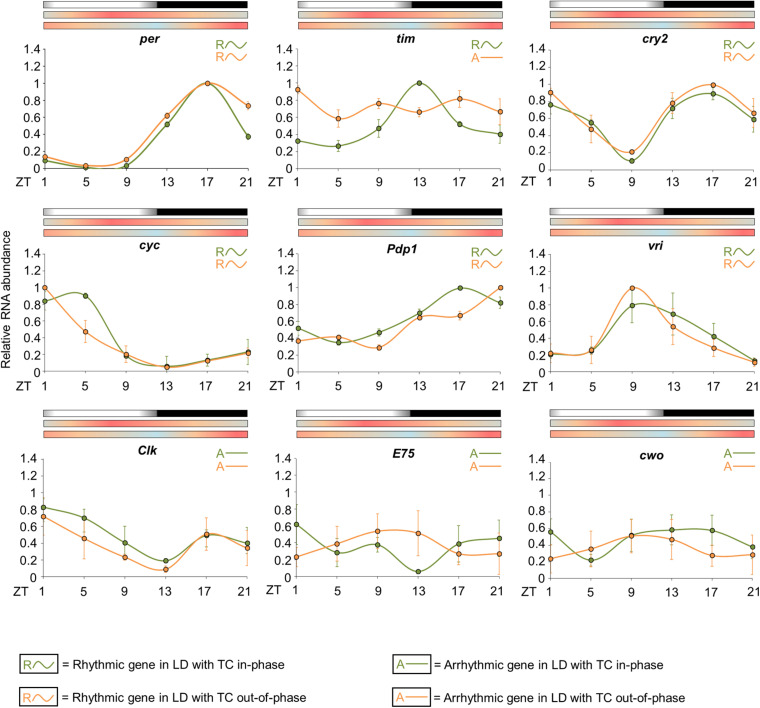
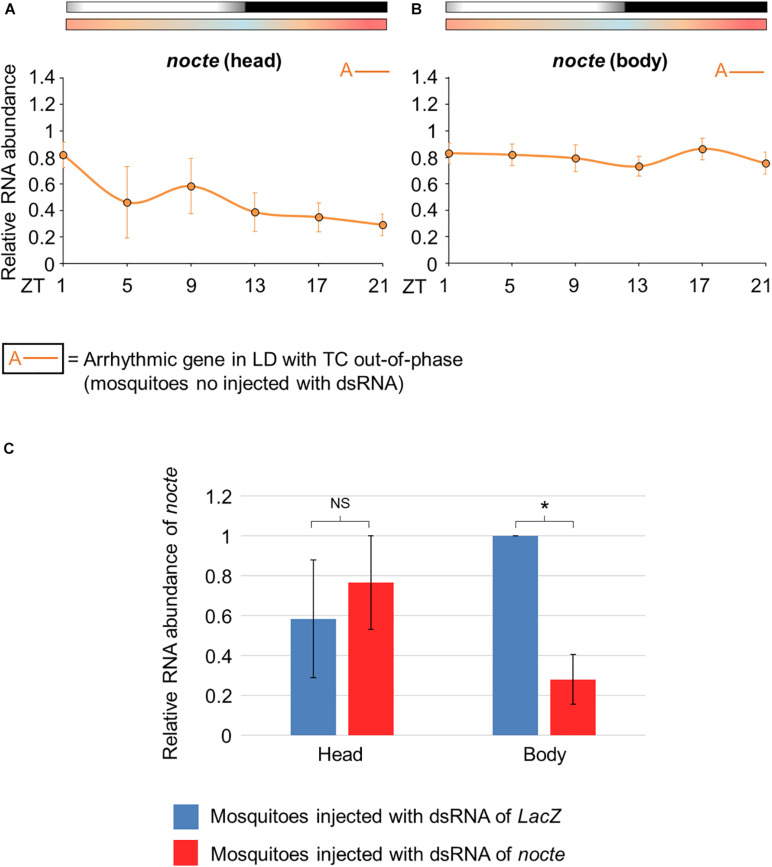
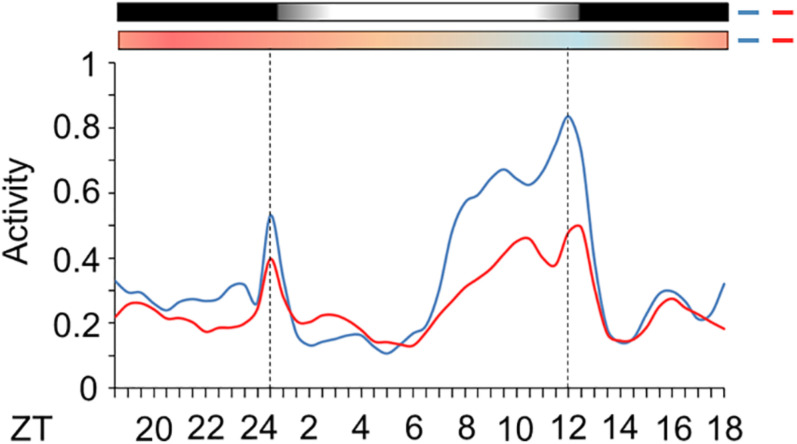
Mosquitoes exhibit activity rhythms, crucial for the transmission of pathogens, under the control of a circadian clock. is one of the world's leading vectors. For decades, several studies have linked the rise in ambient temperature with the increase in their activity. Here, we identify candidate genes whose expression is influenced by temperature cycles and may affect locomotor activity. We observed that completely lost its rhythmic expression in light/dark, with out-of-phase temperature cycles, and by RNAi mediated knockdown of , an important gene for circadian synchronization by temperature cycles. Thus, and are important genes for synchronization by temperature cycles in . To reinforce our findings, we simulated in the laboratory the gradual temperature fluctuations that were as close as possible to daily temperature variations in Brazil. We observed that the activity and the expression of the molecular circadian clock of differs significantly from that of mosquitoes subjected to constant or rectangular abrupt changes in temperature. We suggest that for understanding the circadian behavior of with possible implications for intervention strategies, the seminatural paradigm needs to replace the traditional laboratory study.
蚊子在生物钟的控制下表现出活动节律,这对病原体的传播至关重要。蚊子是世界上主要的病媒之一。几十年来,多项研究将环境温度的升高与它们活动的增加联系起来。在这里,我们鉴定出其表达受温度周期影响且可能影响其运动活动的候选基因。我们观察到,在光/暗、异相温度周期以及通过RNA干扰介导敲低一个通过温度周期实现昼夜节律同步的重要基因后,蚊子完全失去了其节律性表达。因此,该基因和另一个基因是蚊子通过温度周期实现同步的重要基因。为了强化我们的发现,我们在实验室模拟了尽可能接近巴西每日温度变化的逐渐温度波动。我们观察到,这种蚊子的活动和分子生物钟的表达与经历恒定或矩形突然温度变化的蚊子有显著差异。我们建议,为了理解这种蚊子的昼夜行为及其对干预策略可能产生的影响,半自然范式需要取代传统的实验室研究。