Kelly Ryan R, Sidles Sara J, LaRue Amanda C
Research Services, Ralph H. Johnson VA Medical Center, Charleston, SC, United States.
Department of Pathology and Laboratory Medicine, Medical University of South Carolina, Charleston, SC, United States.
Front Psychol. 2020 Nov 30;11:612366. doi: 10.3389/fpsyg.2020.612366. eCollection 2020.
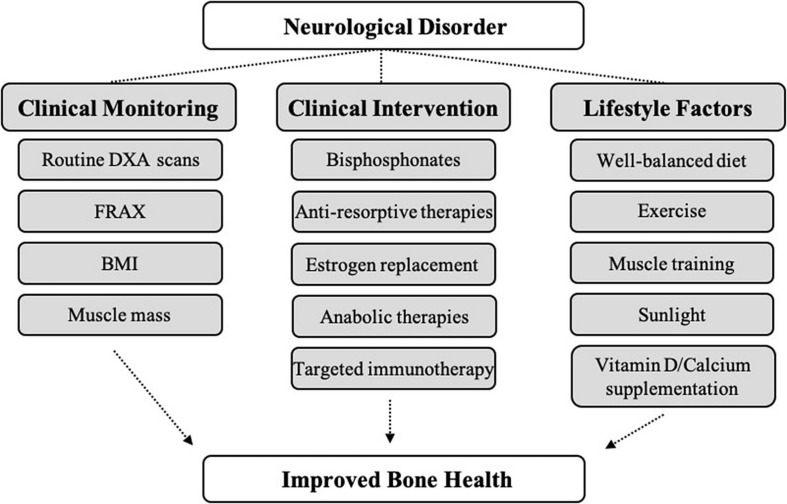
Neurological diseases, particularly in the context of aging, have serious impacts on quality of life and can negatively affect bone health. The brain-bone axis is critically important for skeletal metabolism, sensory innervation, and endocrine cross-talk between these organs. This review discusses current evidence for the cellular and molecular mechanisms by which various neurological disease categories, including autoimmune, developmental, dementia-related, movement, neuromuscular, stroke, trauma, and psychological, impart changes in bone homeostasis and mass, as well as fracture risk. Likewise, how bone may affect neurological function is discussed. Gaining a better understanding of brain-bone interactions, particularly in patients with underlying neurological disorders, may lead to development of novel therapies and discovery of shared risk factors, as well as highlight the need for broad, whole-health clinical approaches toward treatment.
神经疾病,尤其是在老龄化背景下,对生活质量有严重影响,并可能对骨骼健康产生负面影响。脑-骨轴对于骨骼代谢、感觉神经支配以及这些器官之间的内分泌相互作用至关重要。本综述讨论了当前的证据,这些证据涉及各种神经疾病类别,包括自身免疫性、发育性、痴呆相关、运动性、神经肌肉性、中风、创伤和心理性疾病,通过何种细胞和分子机制影响骨稳态、骨量以及骨折风险。同样,也讨论了骨骼如何影响神经功能。更好地理解脑-骨相互作用,尤其是在患有潜在神经疾病的患者中,可能会促成新疗法的开发,发现共同的风险因素,并突出对广泛的全健康临床治疗方法的需求。