Contreras María Del Mar, Gómez-Cruz Irene, Romero Inmaculada, Castro Eulogio
Campus Las Lagunillas, Department of Chemical, Environmental and Materials Engineering, University of Jaén, 23071 Jaén, Spain.
Center for Advanced Studies in Earth Sciences, Energy and Environment (CEACTEMA), University of Jaén, Campus Las Lagunillas, 23071 Jaén, Spain.
Foods. 2021 Jan 7;10(1):111. doi: 10.3390/foods10010111.
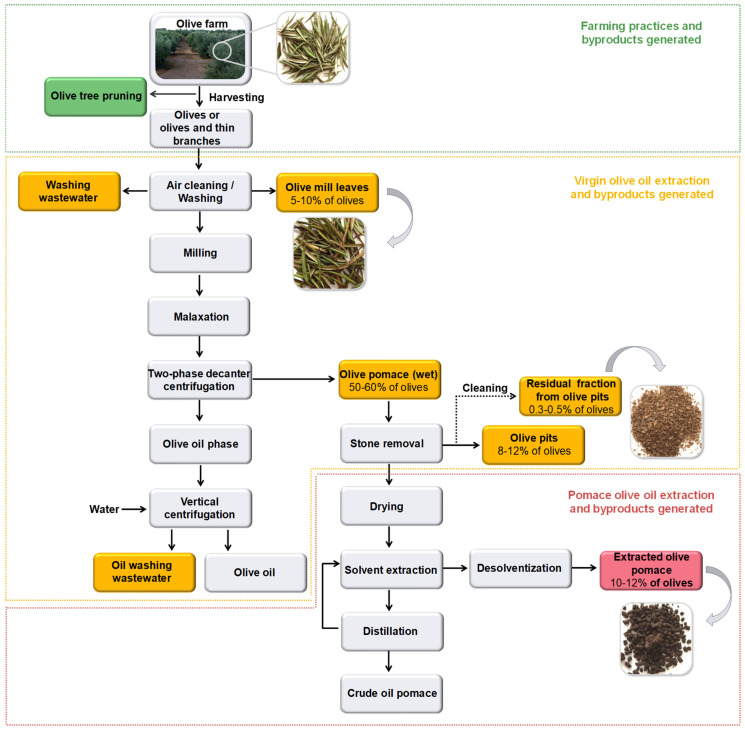
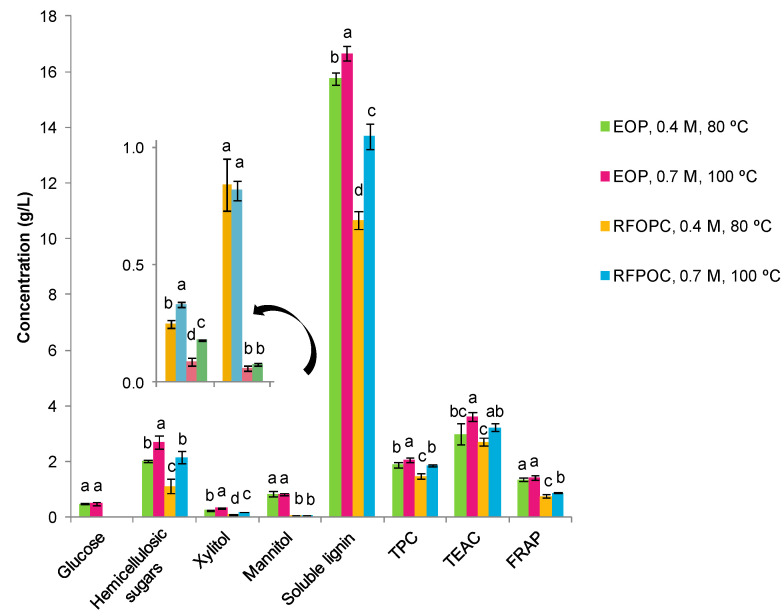
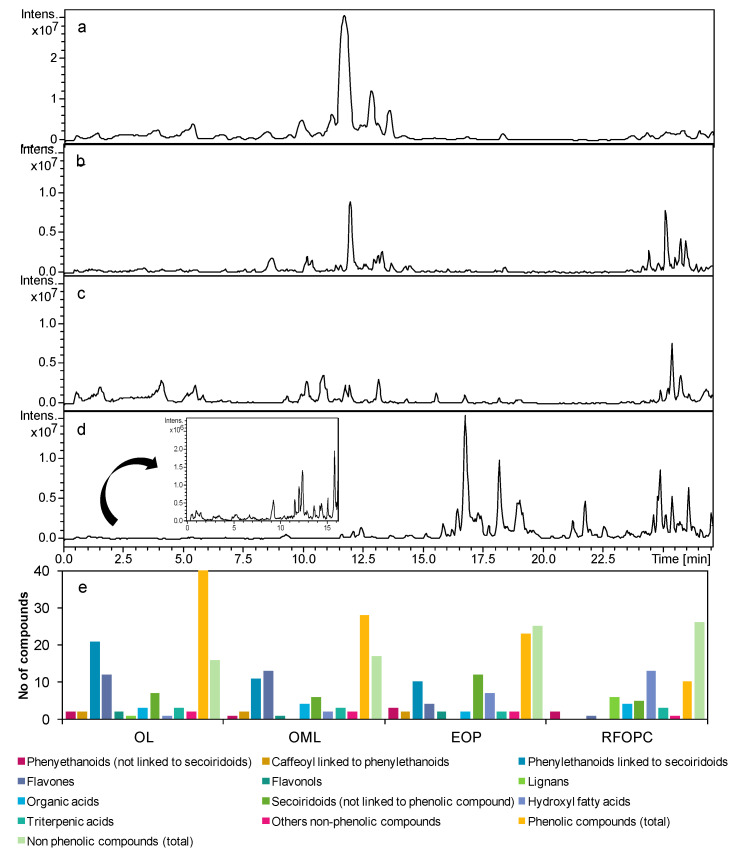
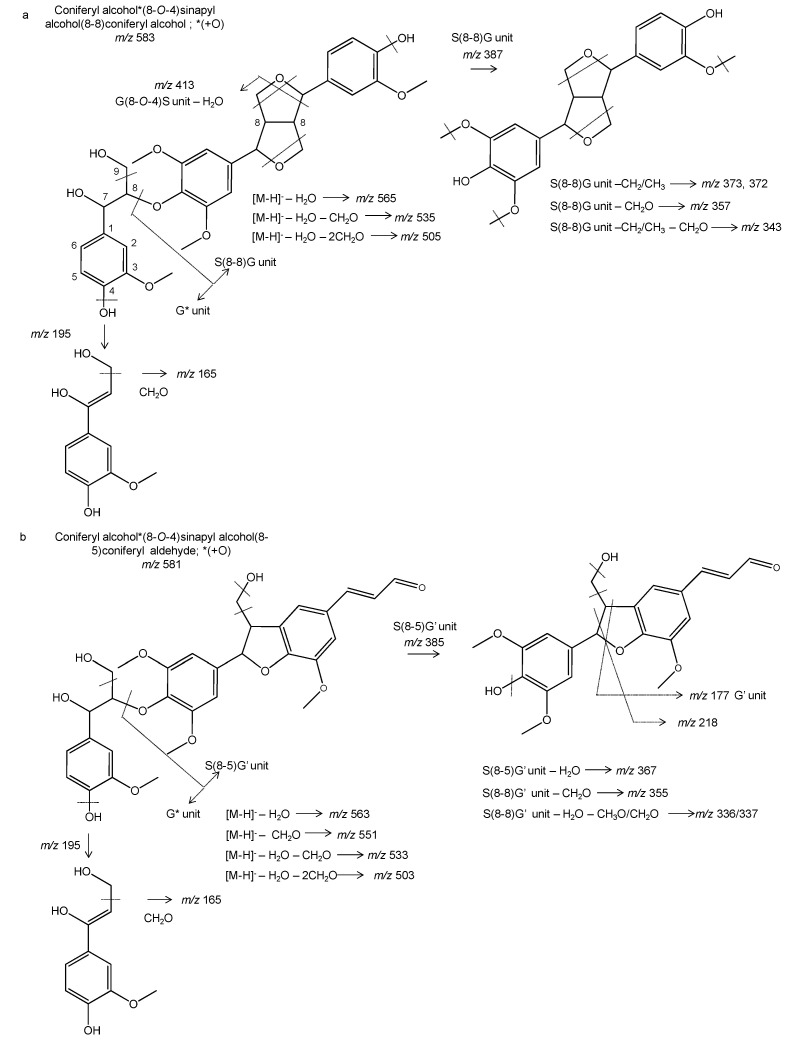
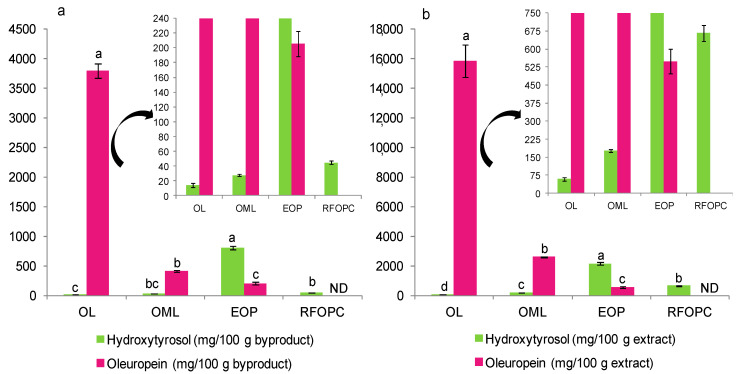
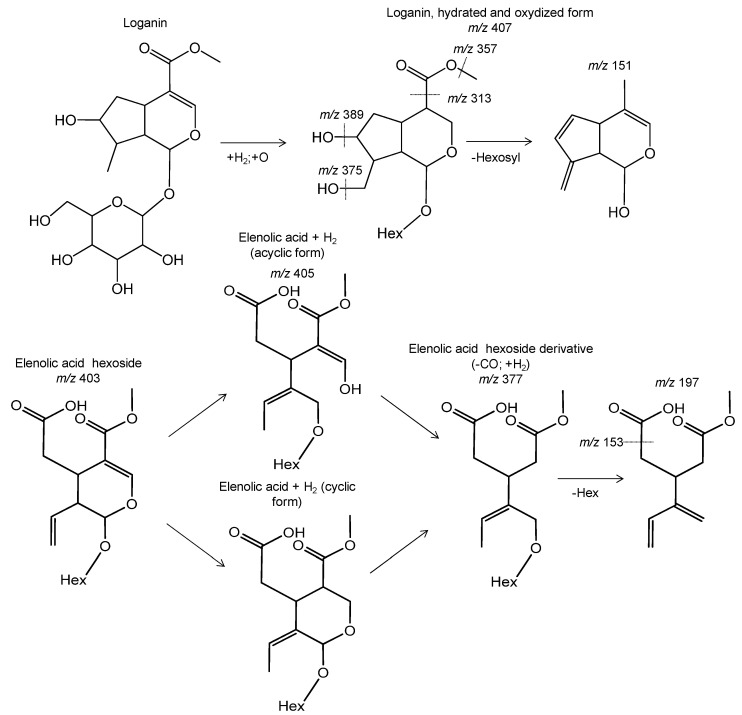
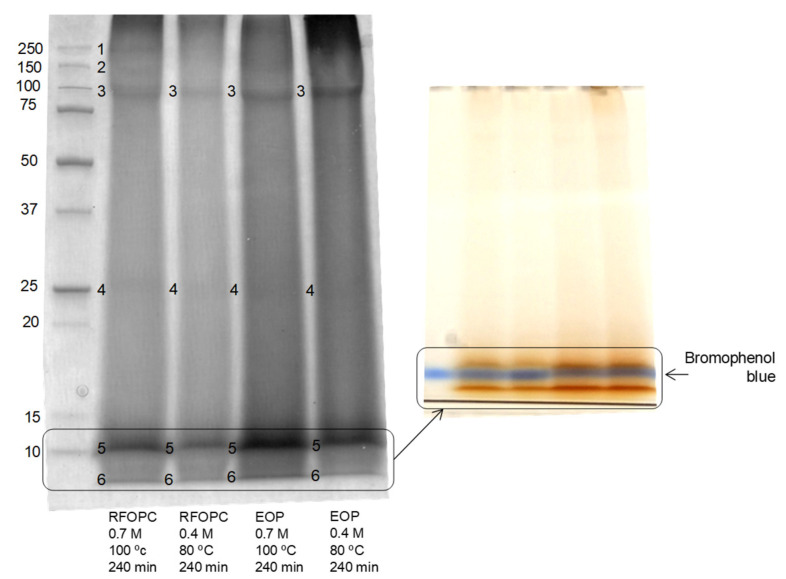
Olive-derived biomass is not only a renewable bioenergy resource but also it can be a source of bioproducts, including antioxidants. In this study, the antioxidant composition of extracted olive pomace (EOP) and a new byproduct, the residual fraction from olive pit cleaning (RFOPC or residual pulp) was characterized and compared to olive leafy biomass, which have been extensively studied as a source of antioxidants and other bioactive compounds with pharmacological properties. The chemical characterization showed that these byproducts contain a high amount of extractives; in the case of EOP, it was even higher (52.9%) than in olive leaves (OL) and olive mill leaves (OML) (35.8-45.1%). Then, ultrasound-assisted extraction (UAE) was applied to recover antioxidants from the extractive fraction of these biomasses. The solubilization of antioxidants was much higher for EOP, correlating well with the extractives content and the total extraction yield. Accordingly, this also affected the phenolic richness of the extracts and the differences between all biomasses were diminished. In any case, the phenolic profile and the hydroxytyrosol cluster were different. While OL, OML, and EOP contained mainly hydroxytyrosol derivatives and flavones, RFOPC presented novel trilignols. Other compounds were also characterized, including secoiridoids, hydroxylated fatty acids, triterpenoids, among others, depending on the bioresource. Moreover, after the UAE extraction step, alkaline extraction was applied recovering a liquid and a solid fraction. While the solid fraction could of interest for further valorization as a biofuel, the liquid fraction contained proteins, sugars, and soluble lignin, which conferred antioxidant properties to these extracts, and whose content depended on the biomass and conditions applied.
橄榄衍生生物质不仅是一种可再生生物能源资源,还可以成为生物产品的来源,包括抗氧化剂。在本研究中,对提取的橄榄果渣(EOP)和一种新的副产品——橄榄核清洁后的残余部分(RFOPC或残余果肉)的抗氧化成分进行了表征,并与橄榄叶生物质进行了比较,橄榄叶生物质作为抗氧化剂和其他具有药理特性的生物活性化合物的来源已得到广泛研究。化学表征表明,这些副产品含有大量提取物;就EOP而言,其含量甚至高于橄榄叶(OL)和橄榄磨坊叶(OML)(35.8 - 45.1%),高达52.9%。然后,采用超声辅助提取(UAE)从这些生物质的提取物部分中回收抗氧化剂。EOP中抗氧化剂的溶解度要高得多,这与提取物含量和总提取产率密切相关。因此,这也影响了提取物的酚类丰富度,所有生物质之间的差异减小。无论如何,酚类谱和羟基酪醇簇是不同的。虽然OL、OML和EOP主要含有羟基酪醇衍生物和黄酮类化合物,但RFOPC呈现出新型三芳基醇。还对其他化合物进行了表征,包括裂环环烯醚萜类、羟基化脂肪酸、三萜类化合物等,具体取决于生物资源。此外,在UAE提取步骤之后,采用碱性提取回收了液体和固体部分。虽然固体部分作为生物燃料进一步增值可能具有吸引力,但液体部分含有蛋白质、糖和可溶性木质素,这些赋予了这些提取物抗氧化特性,其含量取决于生物质和所采用的条件。