Laboratory of Pollen Biology, Institute of Experimental Botany of the Czech Academy of Sciences, Rozvojová 263, 165 02 Prague 6, Czech Republic.
Department of Experimental Plant Biology, Faculty of Science, Charles University, Viničná 5, 128 44 Prague 2, Czech Republic.
Int J Mol Sci. 2021 Jan 7;22(2):530. doi: 10.3390/ijms22020530.
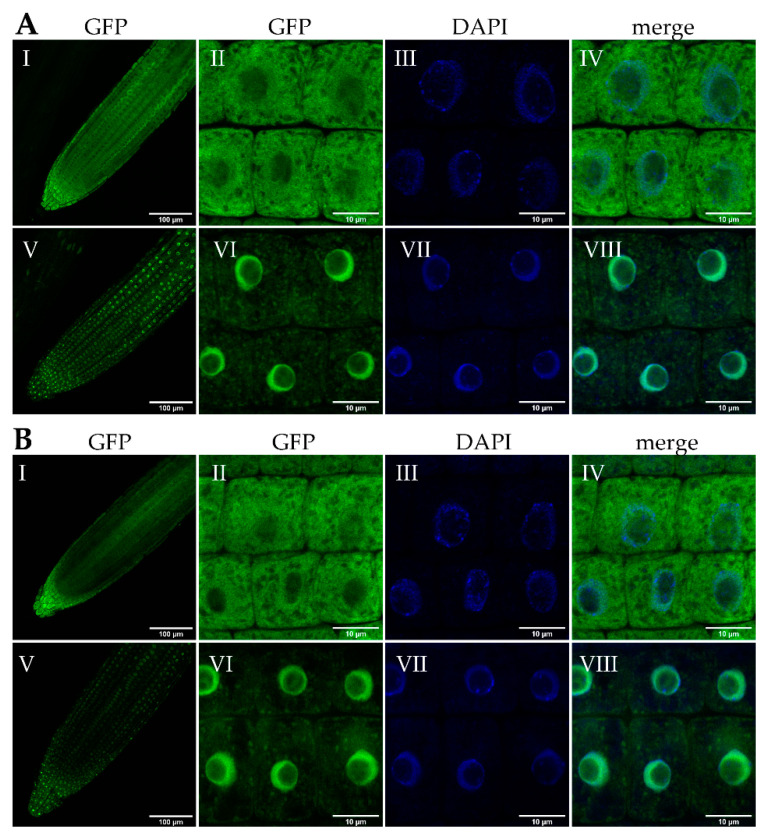
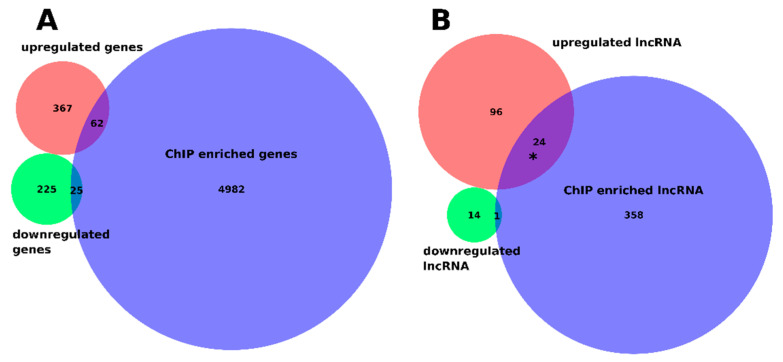
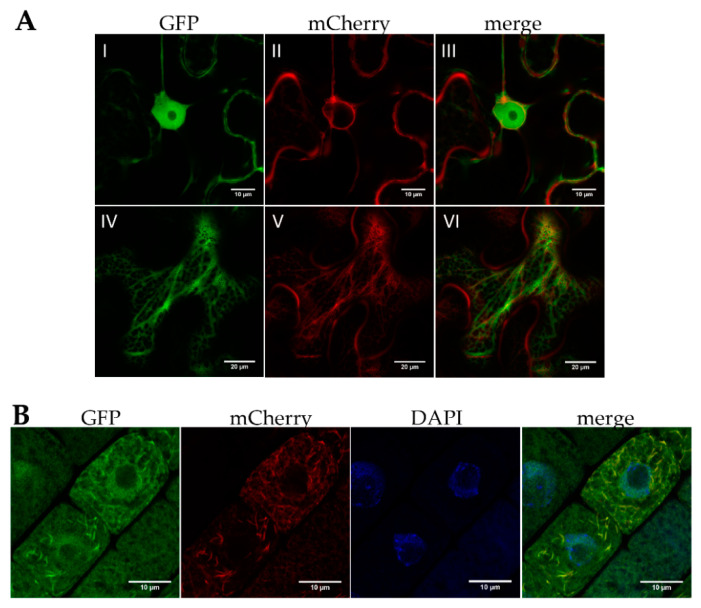
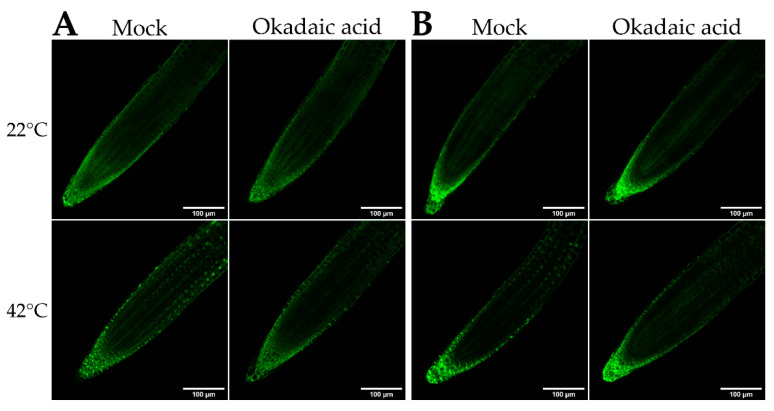
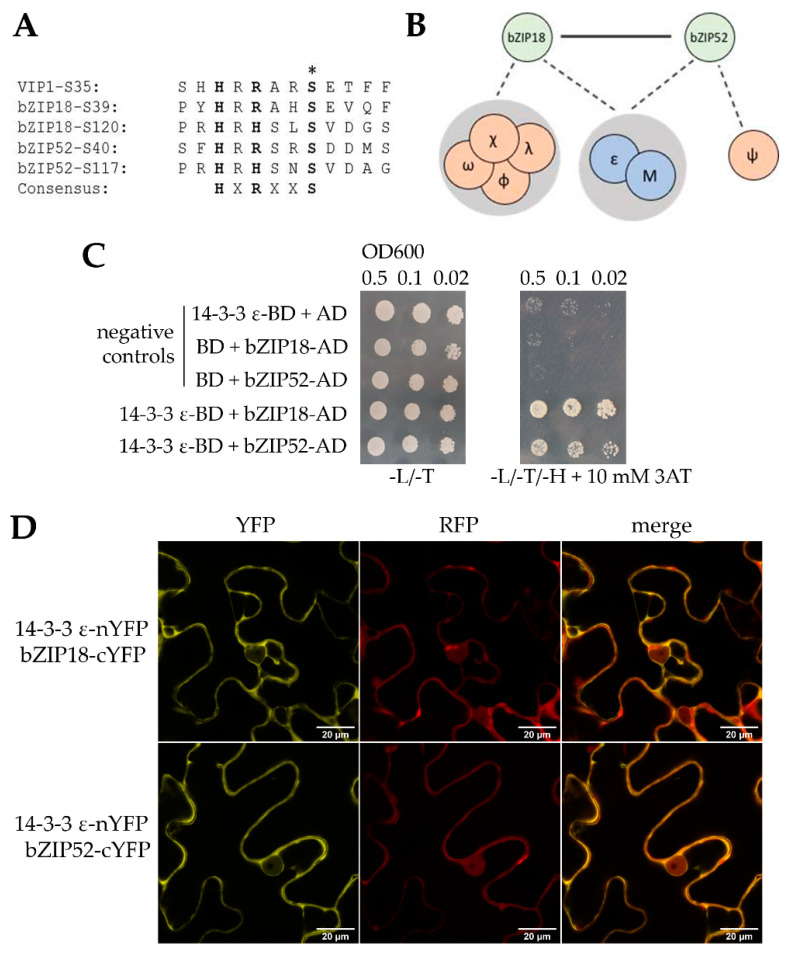
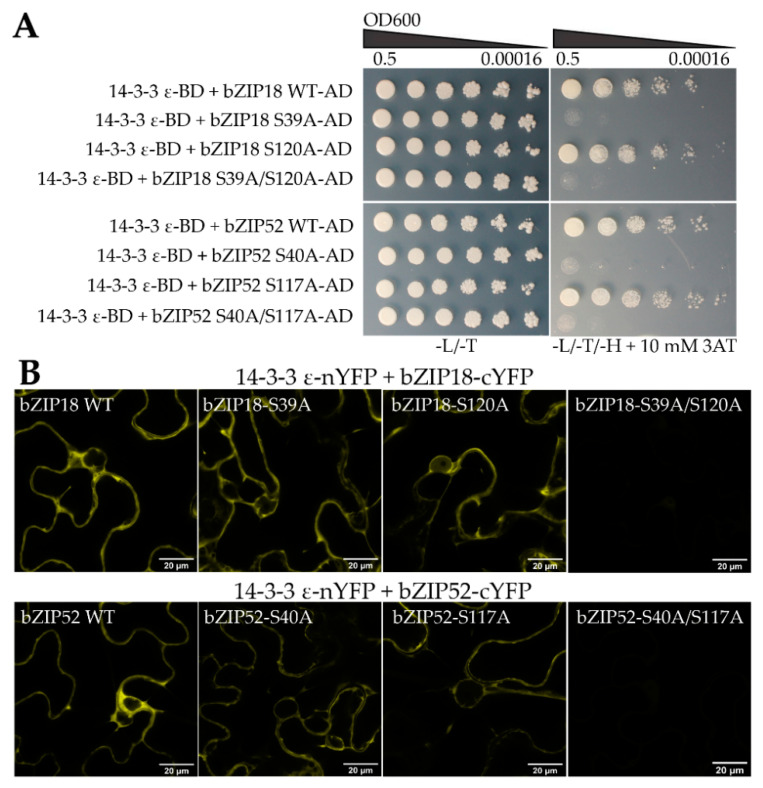
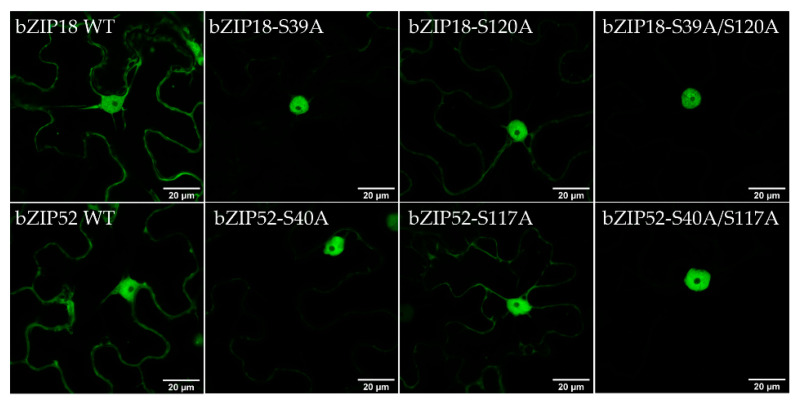
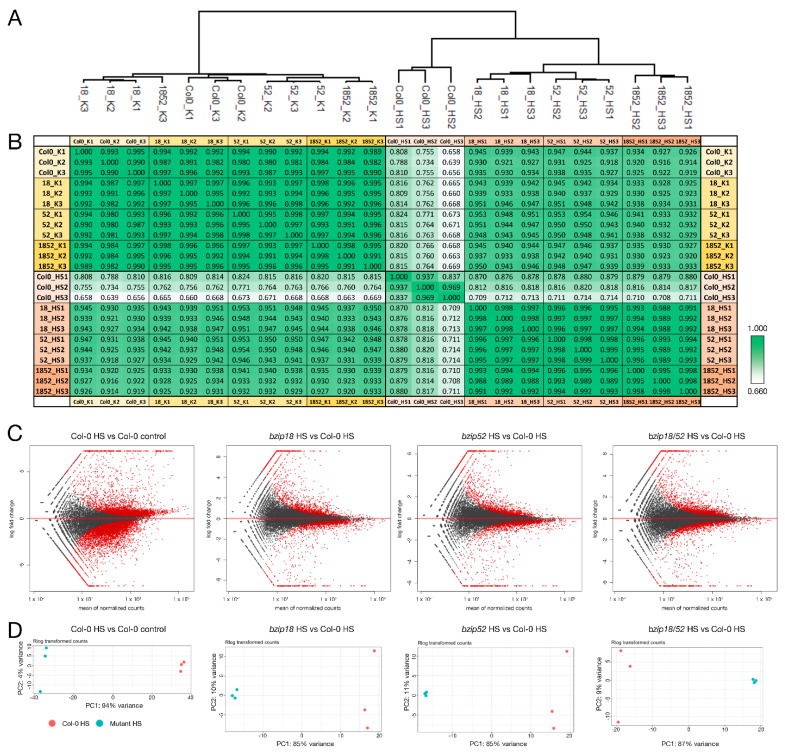
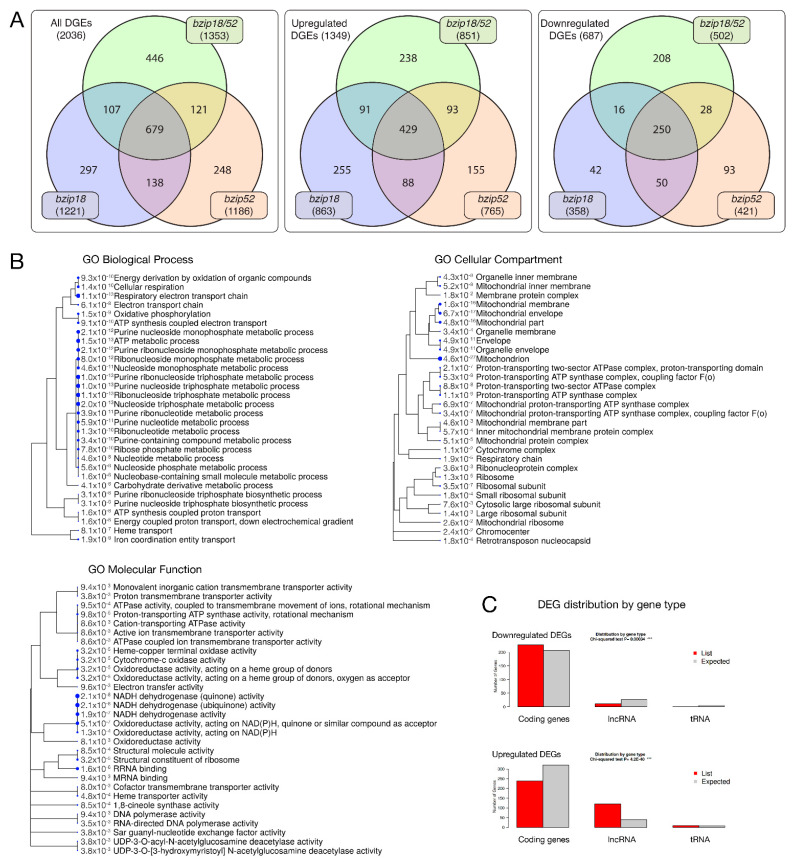
Heat stress (HS) is a major abiotic stress that negatively impacts crop yields across the globe. Plants respond to elevated temperatures by changing gene expression, mediated by transcription factors (TFs) functioning to enhance HS tolerance. The involvement of Group I bZIP TFs in the heat stress response (HSR) is not known. In this study, bZIP18 and bZIP52 were investigated for their possible role in the HSR. Localization experiments revealed their nuclear accumulation following heat stress, which was found to be triggered by dephosphorylation. Both TFs were found to possess two motifs containing serine residues that are candidates for phosphorylation. These motifs are recognized by 14-3-3 proteins, and bZIP18 and bZIP52 were found to bind 14-3-3 ε, the interaction of which sequesters them to the cytoplasm. Mutation of both residues abolished 14-3-3 ε interaction and led to a strict nuclear localization for both TFs. RNA-seq analysis revealed coordinated downregulation of several metabolic pathways including energy metabolism and translation, and upregulation of numerous lncRNAs in particular. These results support the idea that bZIP18 and bZIP52 are sequestered to the cytoplasm under control conditions, and that heat stress leads to their re-localization to nuclei, where they jointly regulate gene expression.
热应激(HS)是一种主要的非生物胁迫,会对全球作物产量产生负面影响。植物通过改变基因表达来应对高温,转录因子(TFs)介导增强 HS 耐受性。目前尚不清楚 I 组 bZIP TF 在热应激反应(HSR)中的参与情况。在这项研究中,研究了 bZIP18 和 bZIP52 在 HSR 中的可能作用。定位实验显示,它们在热应激后发生核积累,这是由去磷酸化触发的。这两种 TF 都被发现具有两个含有丝氨酸残基的基序,这些残基可能是磷酸化的候选基序。这些基序被 14-3-3 蛋白识别,并且发现 bZIP18 和 bZIP52 与 14-3-3ε结合,这种相互作用将它们隔离到细胞质中。两个残基的突变消除了 14-3-3ε的相互作用,并导致两个 TF 严格的核定位。RNA-seq 分析显示,几个代谢途径的协调下调,包括能量代谢和翻译,以及许多 lncRNA 的上调。这些结果支持这样的观点,即在对照条件下,bZIP18 和 bZIP52 被隔离到细胞质中,而热应激导致它们重新定位到细胞核,在那里它们共同调节基因表达。