Department of Psychology, Drexel University, 3201 Chestnut St., Philadelphia, PA, 19140, USA.
Cogn Affect Behav Neurosci. 2021 Feb;21(1):14-34. doi: 10.3758/s13415-020-00830-4. Epub 2021 Jan 12.
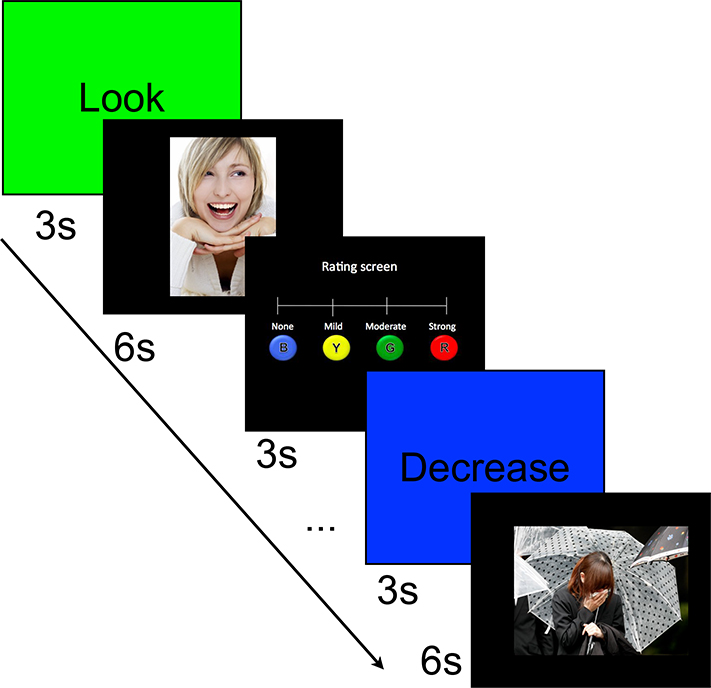
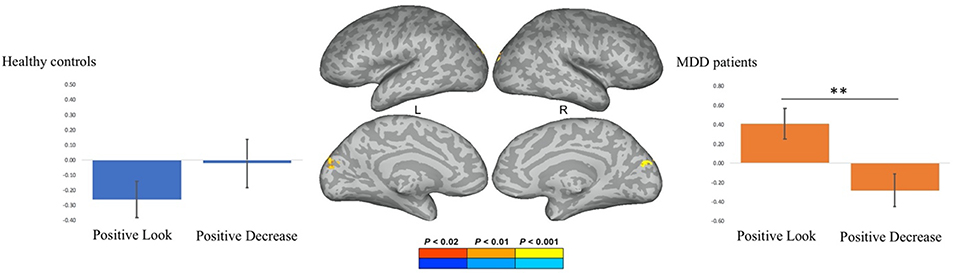
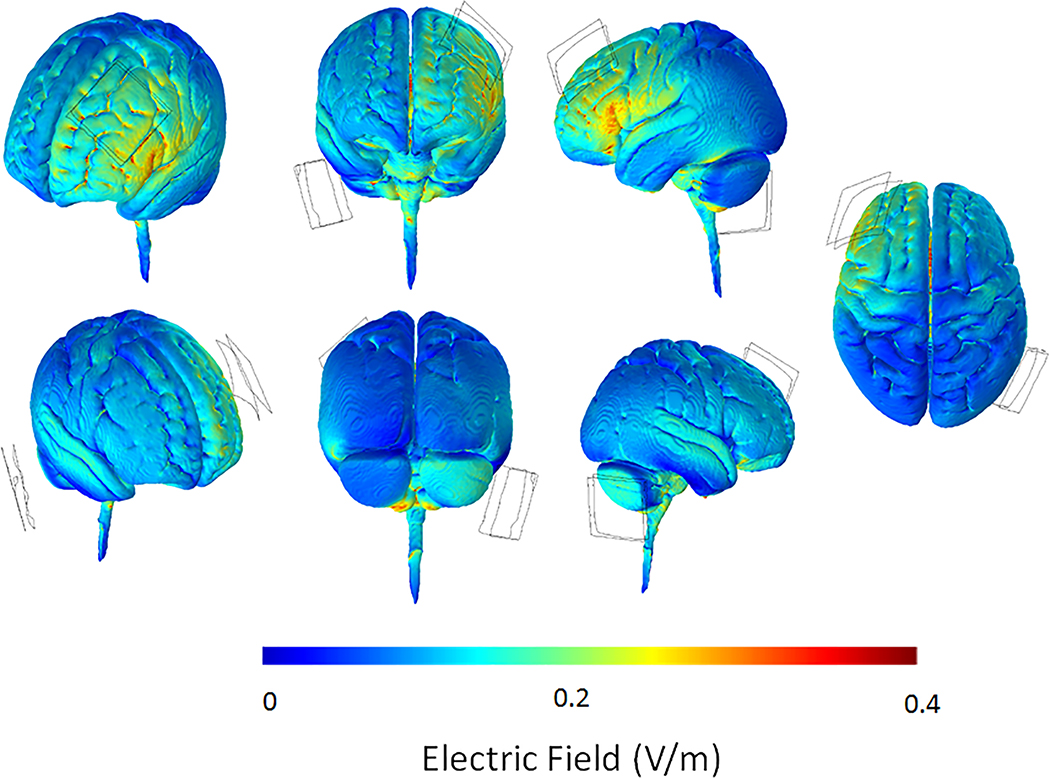
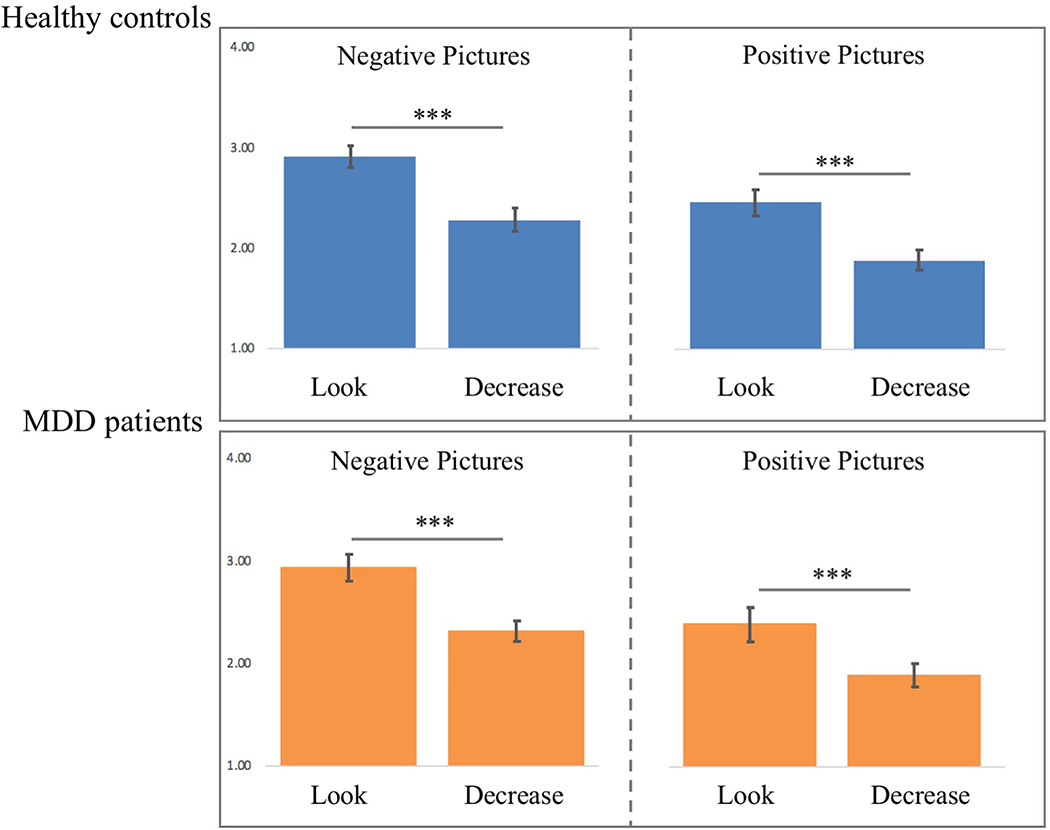
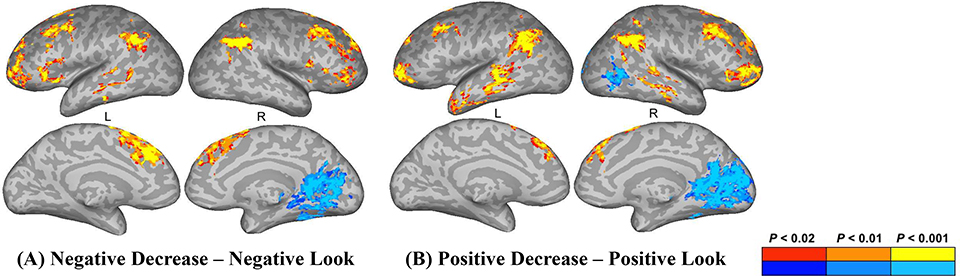
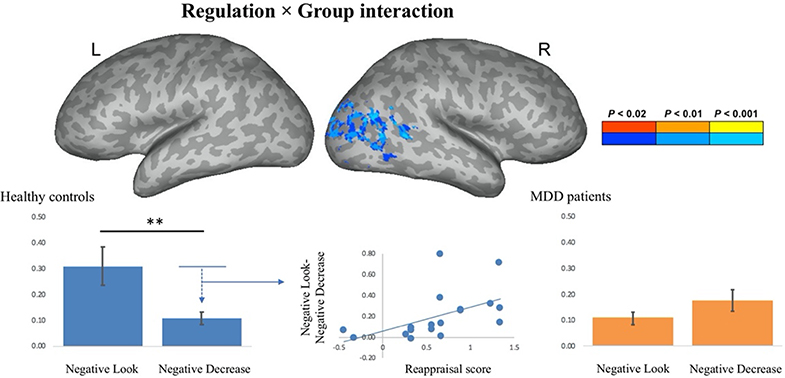
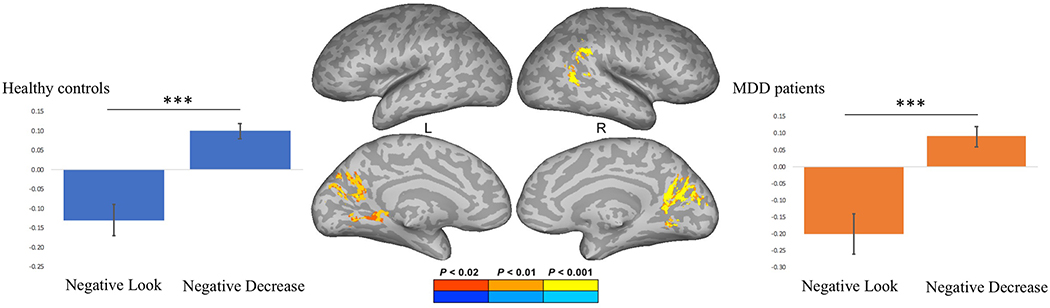
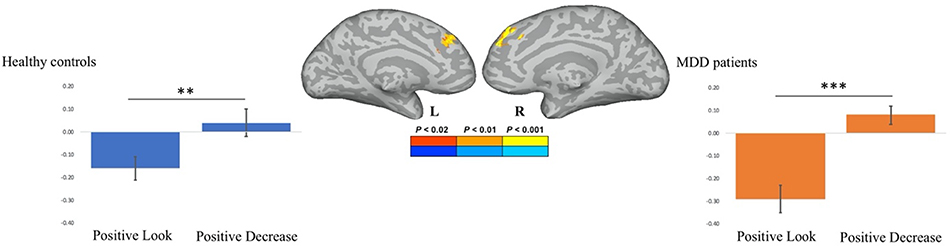
Major depressive disorder (MDD) is the most common mood disorder and a primary cause of disability worldwide. MDD symptomatology entails disturbances in emotion regulation, namely one's ability to modify the intensity and duration of emotional reactions towards affective events. Transcranial direct current stimulation (tDCS) has emerged as a promising treatment for MDD. Yet, positive tDCS outcomes vary across studies, while the precise effects of the procedure for cortical excitability in MDD during emotion regulation remain largely unexplored. Here, we leveraged functional magnetic resonance imaging (fMRI)-compatible tDCS technology to examine the functional consequences of a unilateral anodal tDCS montage at 1.5 mA over left PFC (area F3; with the reference electrode over an extracephalic location) for brain activity during an emotion-regulation task in MDD patients and age-matched healthy control subjects. Our results revealed down-regulation of negative emotions in the right amygdala and visual cortex of healthy controls but not MDD patients prior to stimulation, the degree of which correlated with the magnitude of the participants' reappraisal scores. TDCS did not elicit significant changes in neural activation patterns for either group. These findings contribute to the literature on the pathophysiology of MDD by showing that a key disturbance in the disorder entails the ineffective down-regulation of activity not only within the amygdala, but also within visual cortical areas in response to negative information. Further, these results suggest that relative to bifrontal tDCS montages, unilateral stimulation of moderate intensity over left PFC may not be sufficient to elicit therapeutic effects for MDD.
重度抑郁症(MDD)是最常见的情绪障碍,也是全球范围内导致残疾的主要原因。MDD 的症状包括情绪调节障碍,即个体对情感事件的情绪反应强度和持续时间进行调整的能力。经颅直流电刺激(tDCS)已成为治疗 MDD 的一种有前途的方法。然而,积极的 tDCS 结果在不同的研究中存在差异,而在情绪调节过程中,MDD 期间皮质兴奋性的确切 tDCS 程序的影响在很大程度上仍未得到探索。在这里,我们利用功能磁共振成像(fMRI)兼容的 tDCS 技术,研究了在 MDD 患者和年龄匹配的健康对照组中,1.5 mA 单侧阳极 tDCS 模式(在额外的头部位置上的参考电极)在左额极(F3 区)对情绪调节任务期间大脑活动的功能后果。我们的结果显示,在刺激前,健康对照组的右杏仁核和视觉皮层的负性情绪下调,但 MDD 患者没有,其程度与参与者再评价得分的大小相关。TDCS 对两组的神经激活模式均未引起明显变化。这些发现通过显示该疾病的一个关键障碍不仅涉及杏仁核内活动的无效下调,还涉及对负性信息的视觉皮层区域的活动下调,为 MDD 的病理生理学文献做出了贡献。此外,这些结果表明,与双额 tDCS 模式相比,左额极的适度强度单侧刺激可能不足以引发 MDD 的治疗效果。