Zhou Yimin, Chen Zuguo, Wu Xiangdong, Tian Zengwu, Ye Lingjian, Zheng Leyi
Shenzhen Institutes of Advanced Technology, Chinese Academy of Sciences, 1068 Xueyuan Avenue, Xili University Town, Shenzhen 518055, China.
School of Computer Science and Technology, The University of Chinese Academy of Sciences, Beijing 100049, China.
Healthcare (Basel). 2021 Jan 8;9(1):61. doi: 10.3390/healthcare9010061.
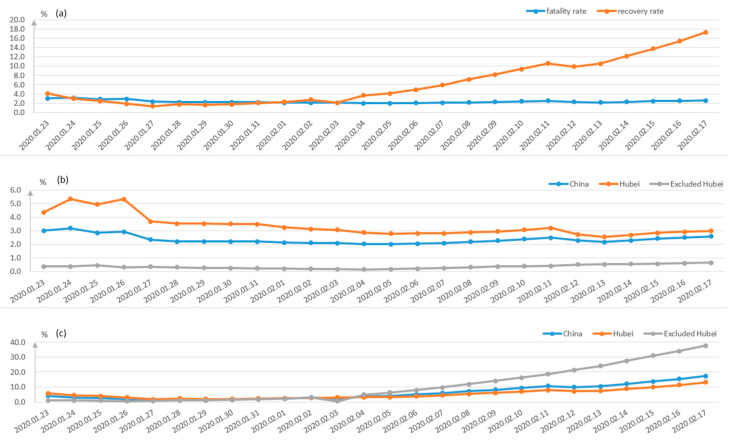
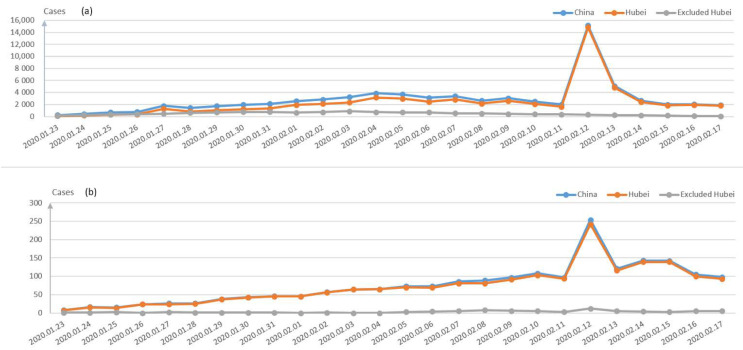
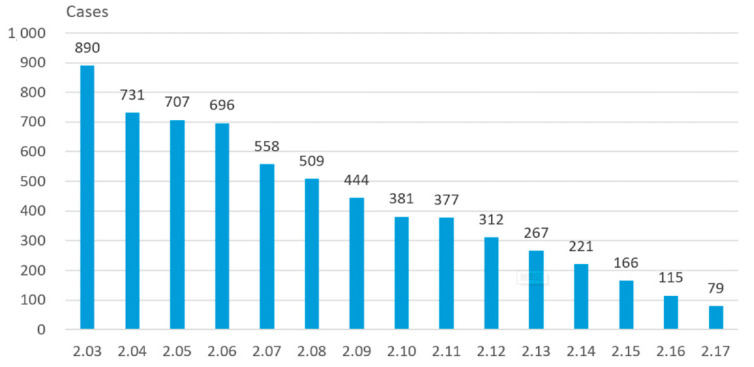
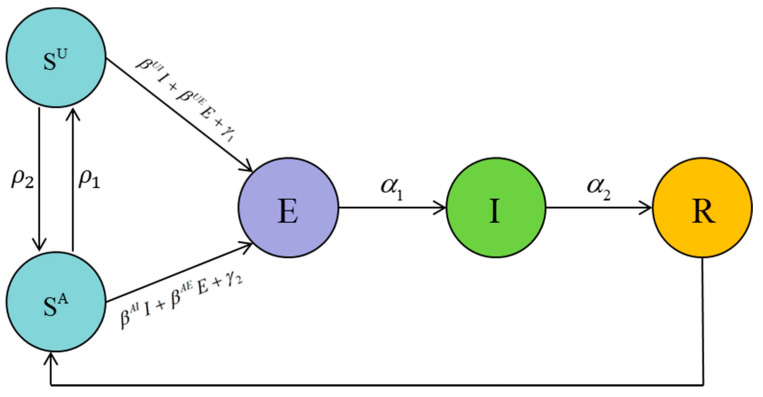
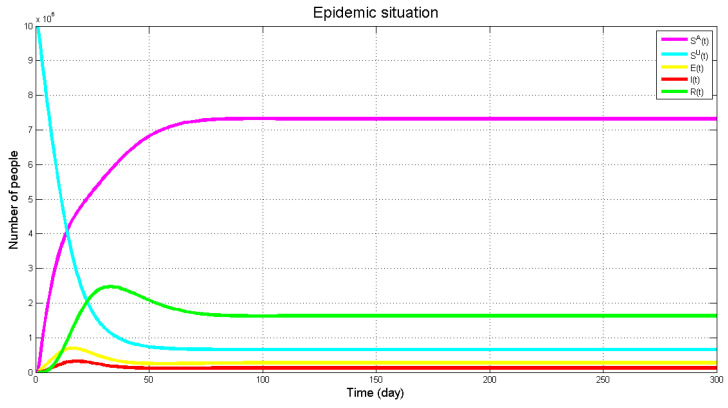
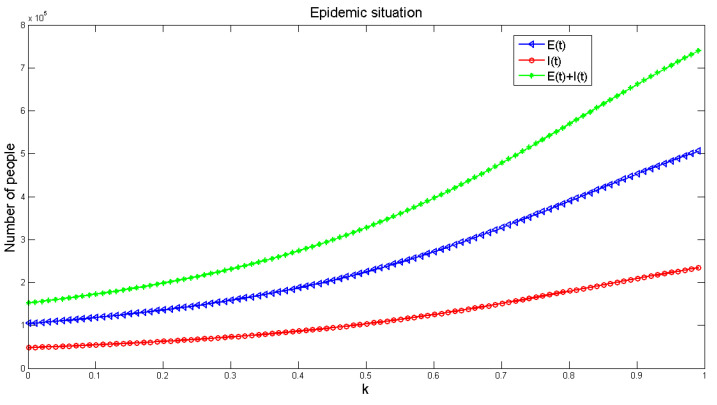
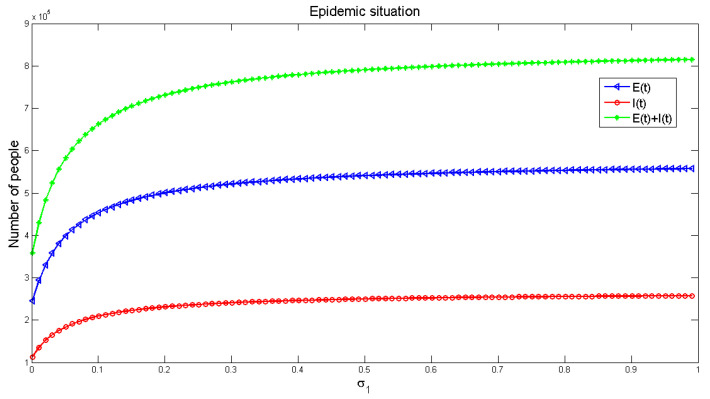
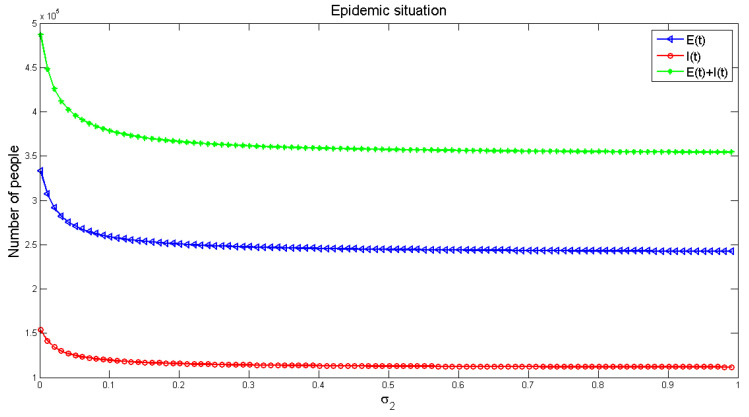
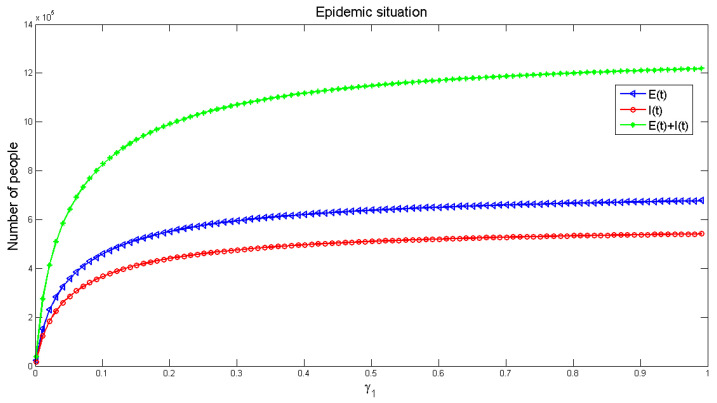
There were 27 novel coronavirus pneumonia cases found in Wuhan, China in December 2019, named as 2019-nCoV temporarily and COVID-19 formally by the World Health Organization (WHO) on the 11 February 2020. In December 2019 and January 2020, COVID-19 has spread on a large scale among the population, which brought terrible disaster to the life and property of the Chinese people. In this paper, we analyze the features and pattern of the virus transmission. Considering the influence of indirect transmission, a conscious-based Susceptible-Exposed-Infective-Recovered (SEIR) (C-SEIR) model is proposed, and the difference equation is used to establish the model. We simulated the C-SEIR model and key important parameters. The results show that (1) increasing people's awareness of the virus can effectively reduce the spread of the virus; (2) as the capability and possibility of indirect infection increases, the proportion of people being infected will also increase; (3) the increased cure rate can effectively reduce the number of infected people. Then, the virus transmission can be modelled and used for the inflexion and extinction period of pandemic development so as to provide theoretical support for the Chinese government in the decision-making of pandemic prevention and recovery of economic production. Further, this study has demonstrated the effectiveness of the prevention measures taken by the Chinese government such as multi-level administrative district isolation and public health awareness.
2019年12月,中国武汉发现27例新型冠状病毒肺炎病例,最初被暂时命名为2019 - nCoV,2020年2月11日世界卫生组织(WHO)将其正式命名为COVID - 19。2019年12月至2020年1月期间,COVID - 19在人群中大规模传播,给中国人民的生命财产带来了巨大灾难。本文分析了该病毒的传播特征和模式。考虑到间接传播的影响,提出了一种基于意识的易感 - 暴露 - 感染 - 康复(SEIR)(C - SEIR)模型,并利用差分方程建立了该模型。我们对C - SEIR模型及关键重要参数进行了模拟。结果表明:(1)提高人们对病毒的认识能有效减少病毒传播;(2)随着间接感染的能力和可能性增加,被感染人群的比例也会增加;(3)治愈率的提高能有效减少感染人数。进而,可以对病毒传播进行建模,并用于大流行发展的拐点和消退期,为中国政府在疫情防控和经济生产恢复决策中提供理论支持。此外,本研究证明了中国政府采取的多级行政区隔离和公众卫生意识等预防措施的有效性。