Department of Biomedical Sciences, University of Padova, via Ugo Bassi 58/b, 35121, Padova, Italy.
Veneto Institute of Molecular Medicine, via Orus 2, 35129, Padova, Italy.
Nat Commun. 2021 Jan 12;12(1):330. doi: 10.1038/s41467-020-20123-1.
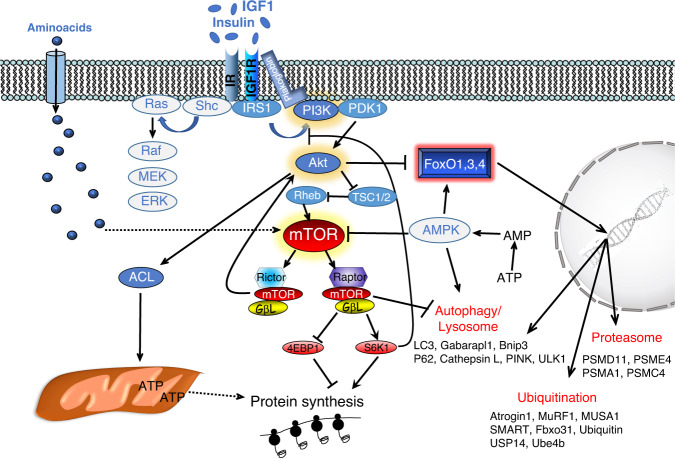
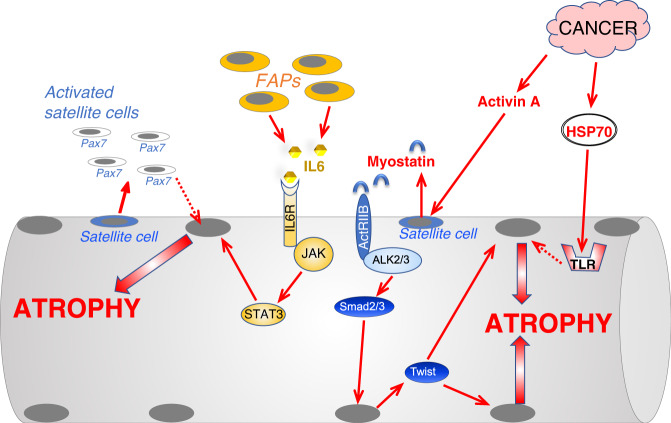
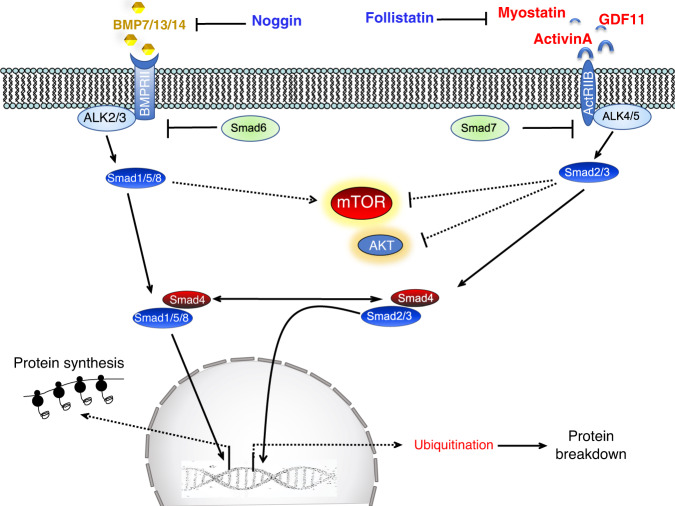
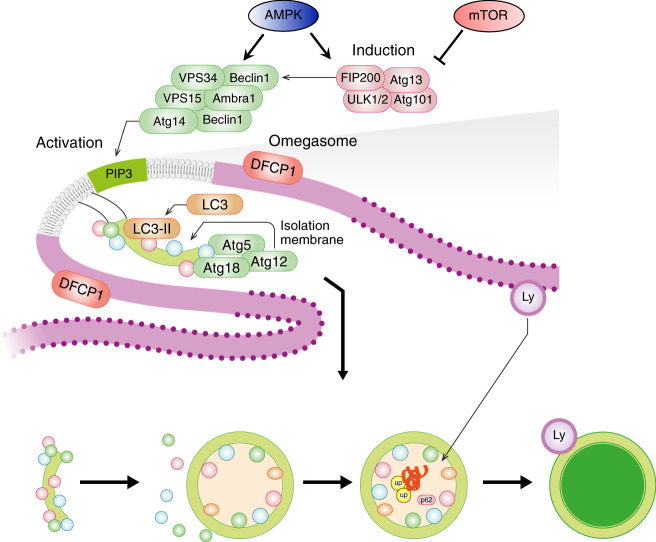
Skeletal muscle is the protein reservoir of our body and an important regulator of glucose and lipid homeostasis. Consequently, the growth or the loss of muscle mass can influence general metabolism, locomotion, eating and respiration. Therefore, it is not surprising that excessive muscle loss is a bad prognostic index of a variety of diseases ranging from cancer, organ failure, infections and unhealthy ageing. Muscle function is influenced by different quality systems that regulate the function of contractile proteins and organelles. These systems are controlled by transcriptional dependent programs that adapt muscle cells to environmental and nutritional clues. Mechanical, oxidative, nutritional and energy stresses, as well as growth factors or cytokines modulate signaling pathways that, ultimately, converge on protein and organelle turnover. Novel insights that control and orchestrate such complex network are continuously emerging and will be summarized in this review. Understanding the mechanisms that control muscle mass will provide therapeutic targets for the treatment of muscle loss in inherited and non-hereditary diseases and for the improvement of the quality of life during ageing.
骨骼肌是人体的蛋白质储备库,也是调节葡萄糖和脂质稳态的重要调节剂。因此,肌肉质量的增加或减少会影响整体代谢、运动、进食和呼吸。因此,毫不奇怪,过度的肌肉损失是各种疾病的预后不良指标,这些疾病范围从癌症、器官衰竭、感染和不健康的衰老。肌肉功能受不同的质量控制系统的影响,这些系统调节收缩蛋白和细胞器的功能。这些系统受转录依赖程序控制,使肌肉细胞适应环境和营养线索。机械、氧化、营养和能量应激,以及生长因子或细胞因子调节信号通路,最终导致蛋白质和细胞器的更新。控制和协调这种复杂网络的新见解不断涌现,将在本综述中进行总结。了解控制肌肉质量的机制将为遗传性和非遗传性疾病中肌肉损失的治疗以及改善衰老过程中的生活质量提供治疗靶点。