Department of Emergency Medicine and Integrative Biosciences Center, Wayne State University School of Medicine, Detroit, Michigan, USA
Advanced Center for Chronic Diseases (ACCDiS), Facultad de Ciencias Quimicas y Farmaceuticas and Facultad de Medicina, Universidad de Chile, Santiago, Chile.
Open Heart. 2020 Dec;7(2). doi: 10.1136/openhrt-2020-001424.
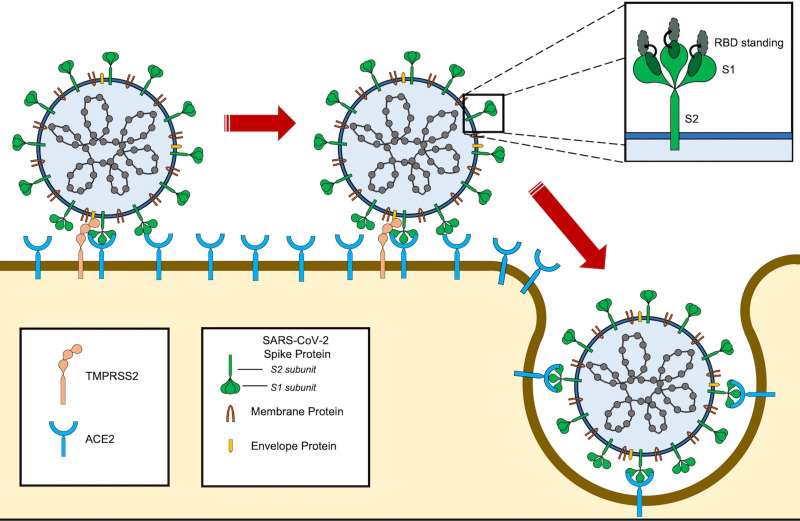
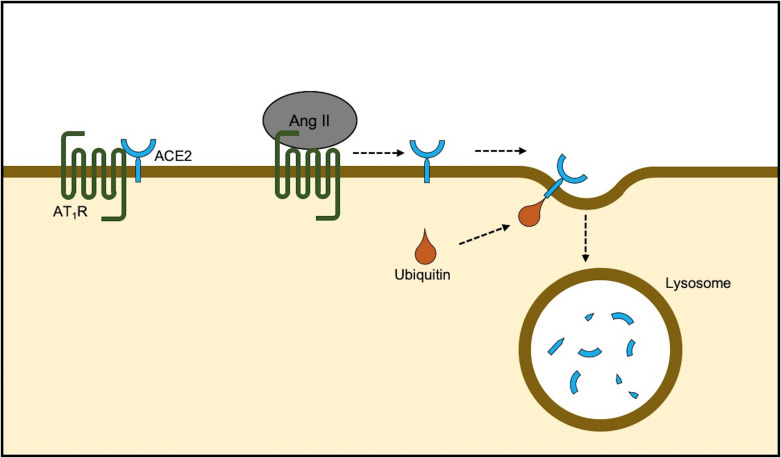
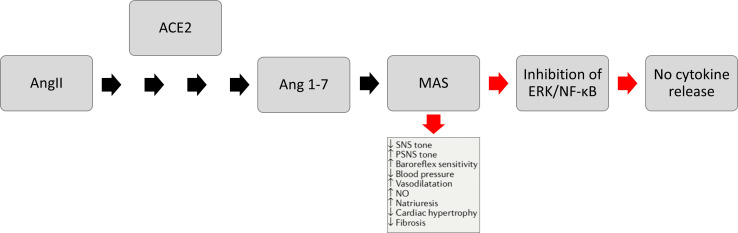
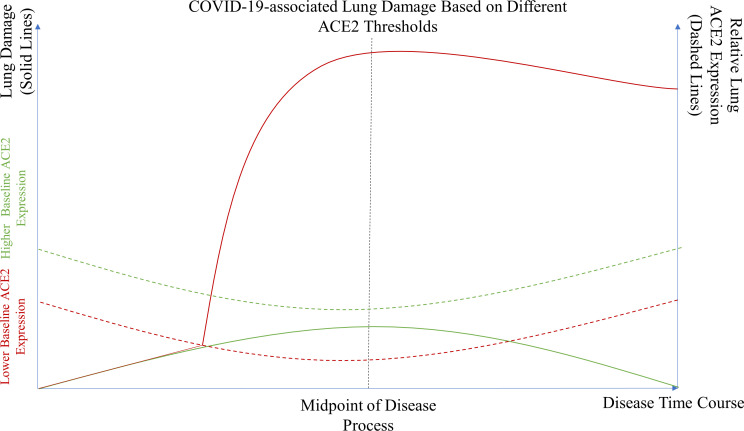
SARS-CoV-2 is the virus responsible for the ongoing COVID-19 outbreak. The virus uses ACE2 receptor for viral entry. ACE2 is part of the counter-regulatory renin-angiotensin-aldosterone system and is also expressed in the lower respiratory tract along the alveolar epithelium. There is, however, significant controversy regarding the role of ACE2 expression in COVID-19 pathogenesis. Some have argued that decreasing ACE2 expression would result in decreased susceptibility to the virus by decreasing available binding sites for SARS-CoV-2 and restricting viral entry into the cells. Others have argued that, like the pathogenesis of other viral pneumonias, including those stemming from previous severe acute respiratory syndrome (SARS) viruses, once SARS-CoV-2 binds to ACE2, it downregulates ACE2 expression. Lack of the favourable effects of ACE2 might exaggerate lung injury by a variety of mechanisms. In order to help address this controversy, we conducted a literature search and review of relevant preclinical and clinical publications pertaining to SARS-CoV-2, COVID-19, ACE2, viral pneumonia, SARS, acute respiratory distress syndrome and lung injury. Our review suggests, although controversial, that patients at increased susceptibility to COVID-19 complications may have reduced baseline ACE2, and by modulating ACE2 expression one can possibly improve COVID-19 outcomes. Herein, we elucidate why and how this potential mechanism might work.
SARS-CoV-2 是导致持续的 COVID-19 爆发的病毒。该病毒使用 ACE2 受体进行病毒进入。ACE2 是反向调节肾素-血管紧张素-醛固酮系统的一部分,也在上呼吸道的肺泡上皮中表达。然而,关于 ACE2 表达在 COVID-19 发病机制中的作用存在很大争议。有人认为,通过减少 SARS-CoV-2 的可用结合位点并限制病毒进入细胞,降低 ACE2 表达会导致对病毒的敏感性降低。另一些人则认为,与其他病毒性肺炎的发病机制一样,包括源自以前的严重急性呼吸综合征(SARS)病毒的肺炎,一旦 SARS-CoV-2 与 ACE2 结合,它就会下调 ACE2 的表达。缺乏 ACE2 的有利作用可能通过多种机制加剧肺损伤。为了解决这一争议,我们对与 SARS-CoV-2、COVID-19、ACE2、病毒性肺炎、SARS、急性呼吸窘迫综合征和肺损伤相关的临床前和临床出版物进行了文献检索和综述。我们的综述表明,尽管存在争议,但 COVID-19 并发症易感性增加的患者可能具有较低的基线 ACE2,通过调节 ACE2 表达,人们可能可以改善 COVID-19 的结局。在此,我们阐述了这种潜在机制为何以及如何发挥作用。