Celius Elisabeth G, Thompson Heidi, Pontaga Maija, Langdon Dawn, Laroni Alice, Potra Stanca, Bharadia Trishna, Yeandle David, Shanahan Jane, van Galen Pieter, Alexandri Nektaria, Kesselring Jürg
Deparment of Neurology, Oslo University Hospital and University of Oslo, Oslo, Norway.
The Neurology Centre, Craigavon Area Hospital, Portadown, UK.
Patient Prefer Adherence. 2021 Jan 8;15:15-27. doi: 10.2147/PPA.S268829. eCollection 2021.
Multiple sclerosis (MS) prognosis is often uncertain. This literature review considers patients' understanding of, and perspectives on, MS progression to better comprehend the unmet needs of people with MS (PwMS), in order to improve treatment adherence and quality of life (QoL).
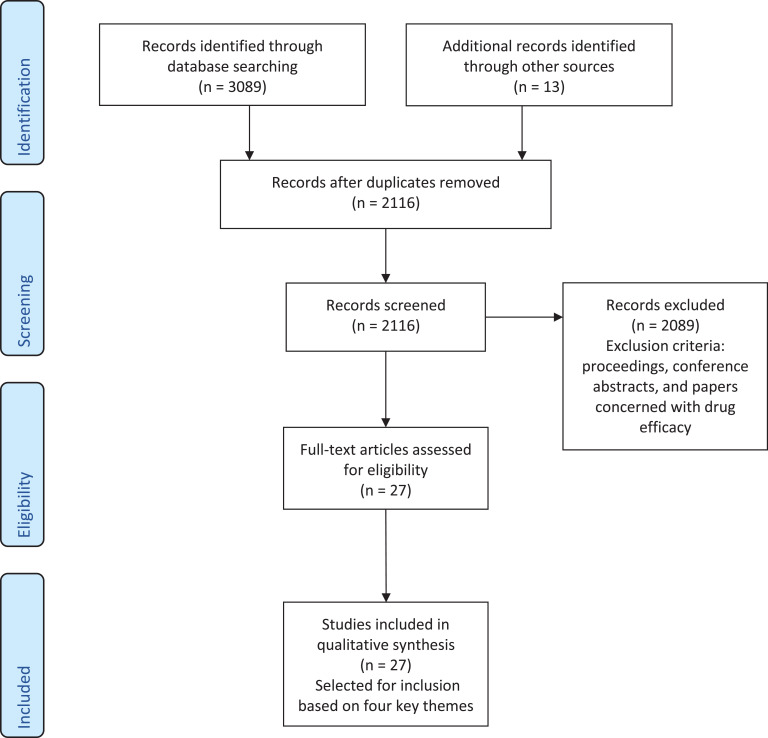
Literature searches for peer-reviewed papers concerning patient perspectives on the progression of MS and comparable conditions, published between January 2000 and January 2020, were conducted.
Little qualitative evidence exists that examines PwMS' perspectives on MS progression. The understanding and meaning ascribed to terms such as "disease progression" vary. Some PwMS find disease labels stigmatizing, confusing, and disconnected from reality. The lack of a clear definition of progression and discrepancies between PwMS and healthcare professional (HCP) perspectives may contribute to misunderstanding and poor communication. Patient descriptions of progression and relapses include symptoms in addition to those evaluated by standard severity and disability measures. Compared with HCPs, PwMS are still focused on relapse prevention but place higher priority on QoL and ascribe different relative importance to the causes of poor adherence to treatment plans. PwMS want to discuss progression and likely prognosis. Such communication needs to be personalized and delivered with sensitivity, at an appropriate time. Poor treatment adherence may arise from a lack of understanding and poor communication, particularly around treatment goals. The few studies that directly considered patient perspectives on the progression of comparable conditions supported and extended the perspectives of PwMS. Lack of adequate communication by HCPs was the most common theme.
Patient perspectives on disease progression in MS and other chronic progressive conditions are under-investigated and under-reported. The limited evidence available highlights the importance of providing adequate information and effective HCP communication. While further studies are needed, the current evidence base offers information and insights that may help HCPs to enhance patient care, well-being, and treatment adherence.
多发性硬化症(MS)的预后往往不确定。本综述探讨患者对MS进展的理解和看法,以更好地了解MS患者(PwMS)未满足的需求,从而提高治疗依从性和生活质量(QoL)。
检索2000年1月至2020年1月间发表的关于患者对MS及类似疾病进展看法的同行评审论文。
几乎没有定性证据考察PwMS对MS进展的看法。对“疾病进展”等术语的理解和含义各不相同。一些PwMS认为疾病标签有污名化、令人困惑且与现实脱节的问题。进展缺乏明确的定义以及PwMS与医疗保健专业人员(HCP)观点之间的差异可能导致误解和沟通不畅。患者对进展和复发的描述除了标准严重程度和残疾测量所评估的症状外,还包括其他症状。与HCP相比,PwMS仍然专注于预防复发,但更优先考虑QoL,并且对治疗计划依从性差的原因赋予不同的相对重要性。PwMS希望讨论进展和可能的预后。这种沟通需要个性化,并在适当的时候以敏感的方式进行。治疗依从性差可能源于理解不足和沟通不畅,特别是围绕治疗目标。少数直接考虑患者对类似疾病进展看法的研究支持并扩展了PwMS的观点。HCP沟通不足是最常见的主题。
对MS和其他慢性进展性疾病中患者对疾病进展的看法研究不足且报道较少。现有有限的证据凸显了提供充分信息和有效的HCP沟通的重要性。虽然需要进一步研究,但当前的证据基础提供了可能有助于HCP提高患者护理、福祉和治疗依从性的信息和见解。