Ge Honghan, Yang Tingting, Sun Jing, Zhang Dongfeng
Department of Epidemiology and Health Statistics, Qingdao University Medical College, Qingdao, China.
Department of Hospital-Acquired Infection Control, The Affiliated Hospital of Qingdao University, Qingdao, China.
Food Nutr Res. 2020 Dec 28;64. doi: 10.29219/fnr.v64.3920. eCollection 2020.
Dietary factors play an important role in the development of depressive symptoms. Carotenoids have effective antioxidant and anti-inflammatory effects, but few studies have explored the associations between dietary carotenoid intake and depressive symptoms.
To evaluate the association between dietary carotenoid intake and the risk of depressive symptoms in adults from the United States.
This cross-sectional study included adult participants from the National Health and Nutrition Examination Survey 2009-2016. Depressive symptoms were assessed using the Patients' Health Questionnaire-9. Intake of carotenoids was obtained through two 24-h dietary recall interviews. We applied logistic regression models and restricted cubic spline models to evaluate the associations of dietary alpha-carotene, beta-carotene, beta-cryptoxanthin, lycopene, lutein with zeaxanthin, and total carotenoid intake with the risk of depressive symptoms.
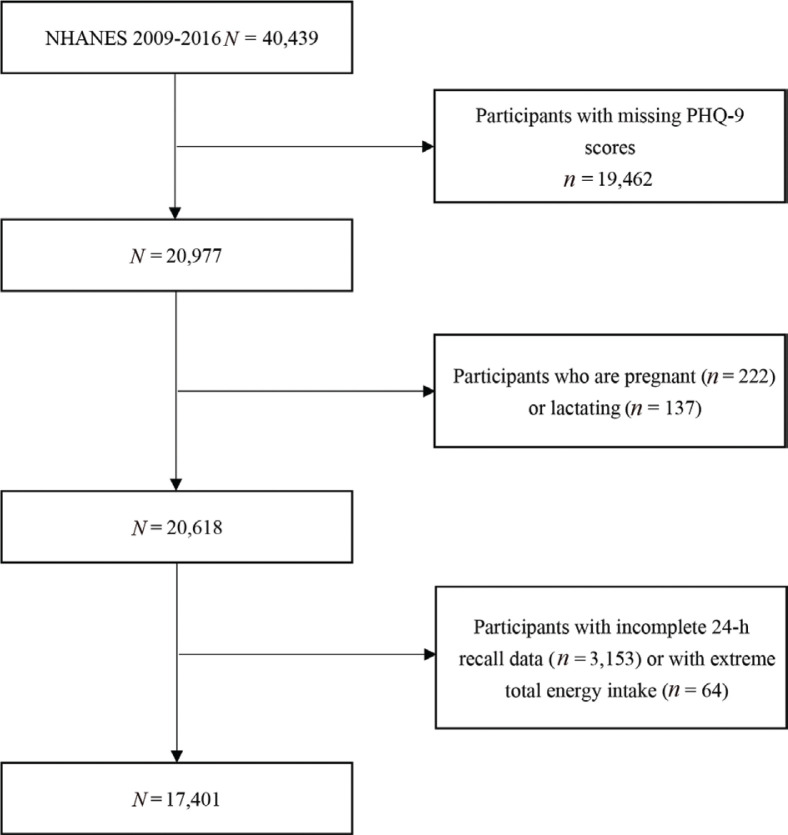
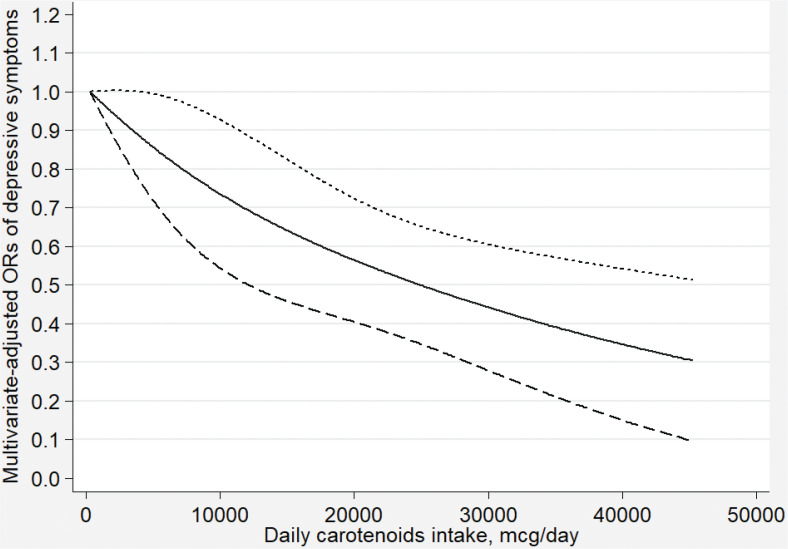
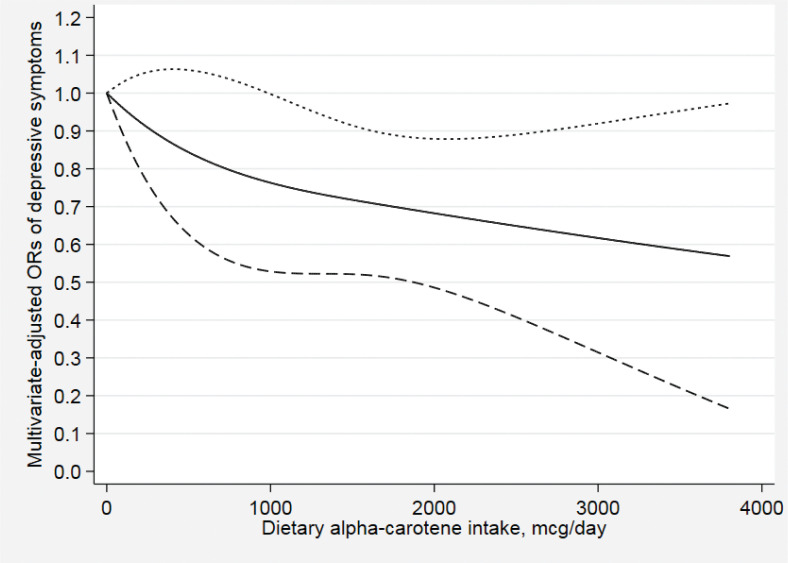
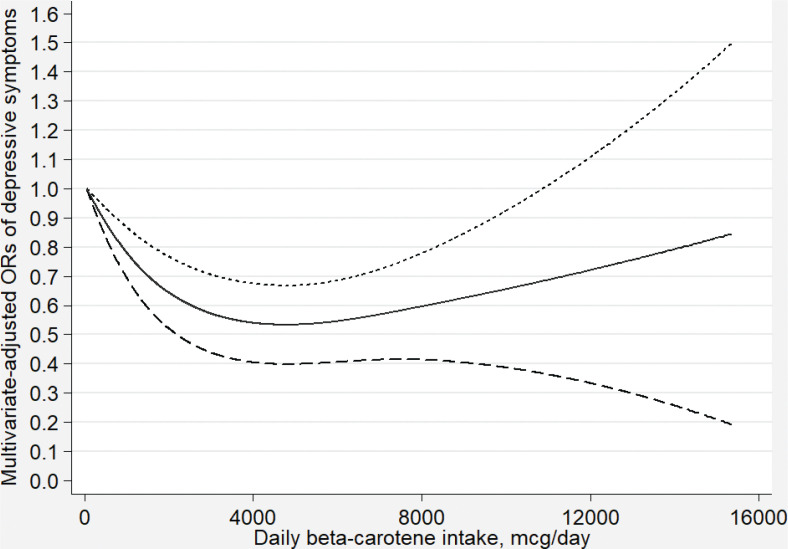
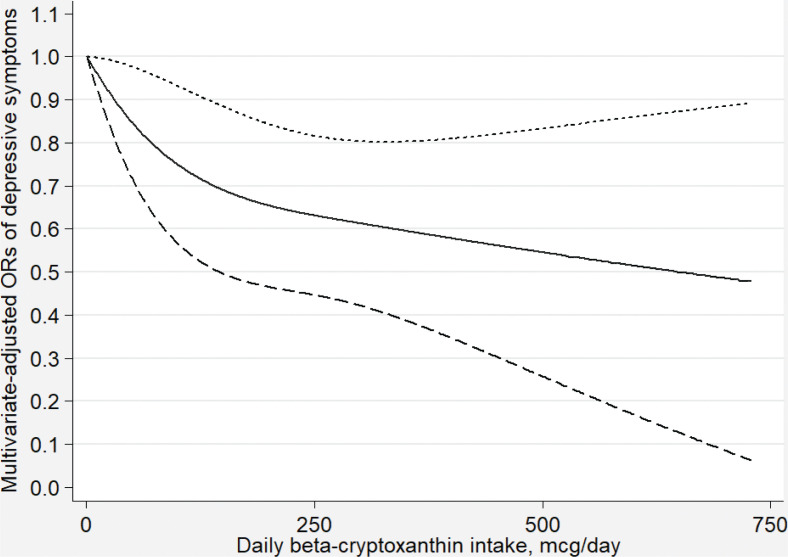
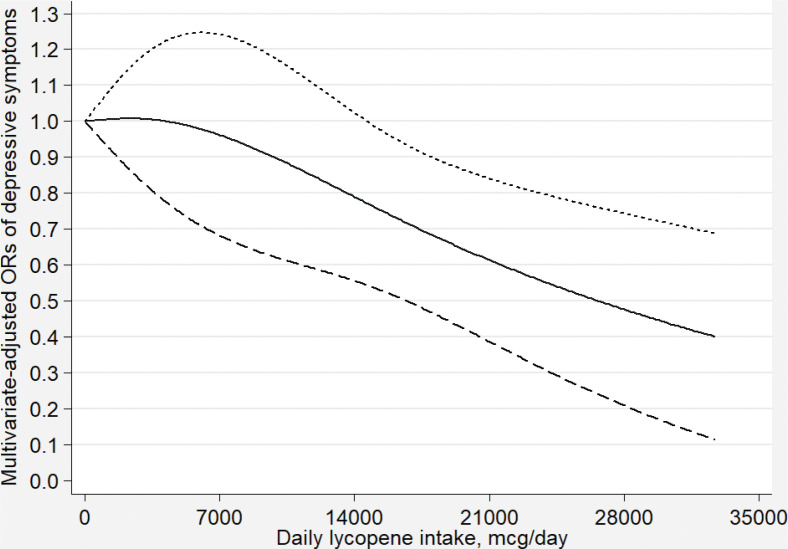
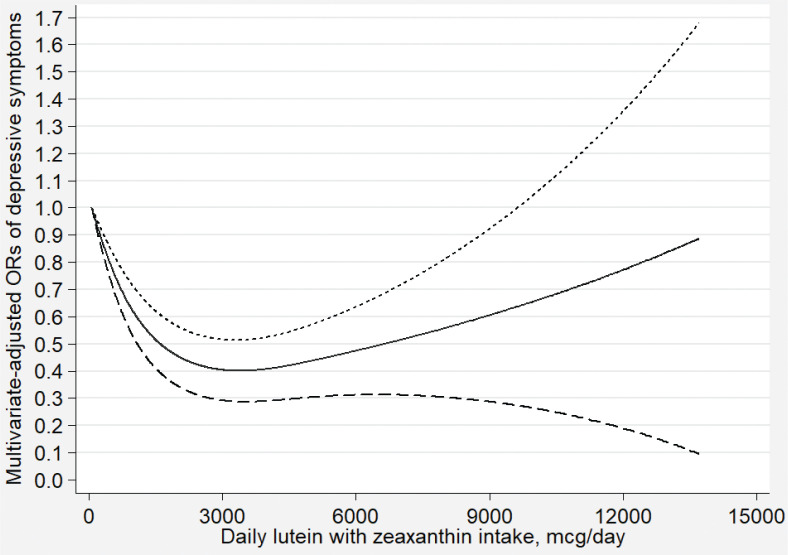
Overall, a total of 17,401 adults aged 18-80 years were included in this study. After adjustment for potential confounders, the odds ratios (95% confidence intervals) of depressive symptoms in the highest versus lowest quartiles were 0.71 (0.56-0.92) for alpha-carotene, 0.59 (0.47-0.75) for beta-carotene, 0.71 (0.55-0.92) for beta-cryptoxanthin, 0.66 (0.49-0.89) for lycopene, 0.50 (0.39-0.64) for lutein with zeaxanthin, and 0.59 (0.45-0.78) for total carotenoid intake. U-shaped dose-response relationships were found between both beta-carotene and lutein with zeaxanthin intake and the risk of depressive symptoms.
Results suggest that alpha-carotene, beta-carotene, beta-cryptoxanthin, lycopene, lutein with zeaxanthin, and total carotenoid intake may be inversely associated with the risk of depressive symptoms in the U.S. adults.
饮食因素在抑郁症状的发生发展中起重要作用。类胡萝卜素具有有效的抗氧化和抗炎作用,但很少有研究探讨饮食中类胡萝卜素摄入量与抑郁症状之间的关联。
评估美国成年人饮食中类胡萝卜素摄入量与抑郁症状风险之间的关联。
这项横断面研究纳入了2009 - 2016年美国国家健康与营养检查调查的成年参与者。使用患者健康问卷-9评估抑郁症状。通过两次24小时饮食回顾访谈获取类胡萝卜素的摄入量。我们应用逻辑回归模型和受限立方样条模型来评估饮食中α-胡萝卜素、β-胡萝卜素、β-隐黄质、番茄红素、叶黄素与玉米黄质以及总类胡萝卜素摄入量与抑郁症状风险之间的关联。
总体而言,本研究共纳入了17401名18 - 80岁的成年人。在对潜在混杂因素进行调整后,最高四分位数与最低四分位数相比,α-胡萝卜素导致抑郁症状的比值比(95%置信区间)为0.71(0.56 - 0.92),β-胡萝卜素为0.59(0.47 - 0.75),β-隐黄质为0.71(0.55 - 0.92),番茄红素为0.66(0.49 - 0.89),叶黄素与玉米黄质为0.50(0.39 - 0.64),总类胡萝卜素摄入量为0.59(0.45 - 0.78)。在β-胡萝卜素和叶黄素与玉米黄质摄入量与抑郁症状风险之间发现了U型剂量反应关系。
结果表明,α-胡萝卜素、β-胡萝卜素、β-隐黄质、番茄红素、叶黄素与玉米黄质以及总类胡萝卜素摄入量可能与美国成年人抑郁症状风险呈负相关。