Department of Surgery, Leiden University Medical Center, Leiden, the Netherlands.
Center for Innovation of Medical Education, Leiden University Medical Center, Leiden, the Netherlands.
Anat Sci Educ. 2021 May;14(3):385-393. doi: 10.1002/ase.2055. Epub 2021 Mar 5.
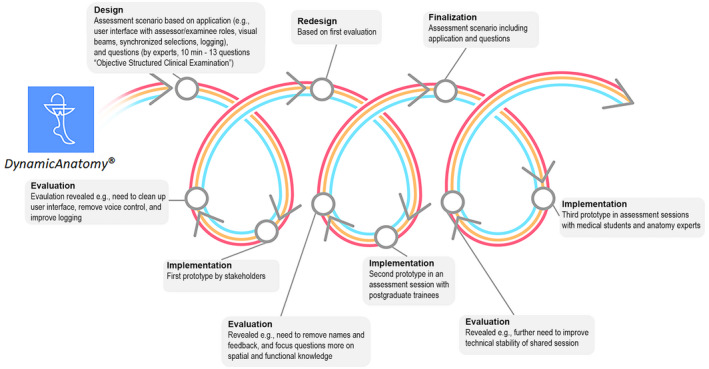
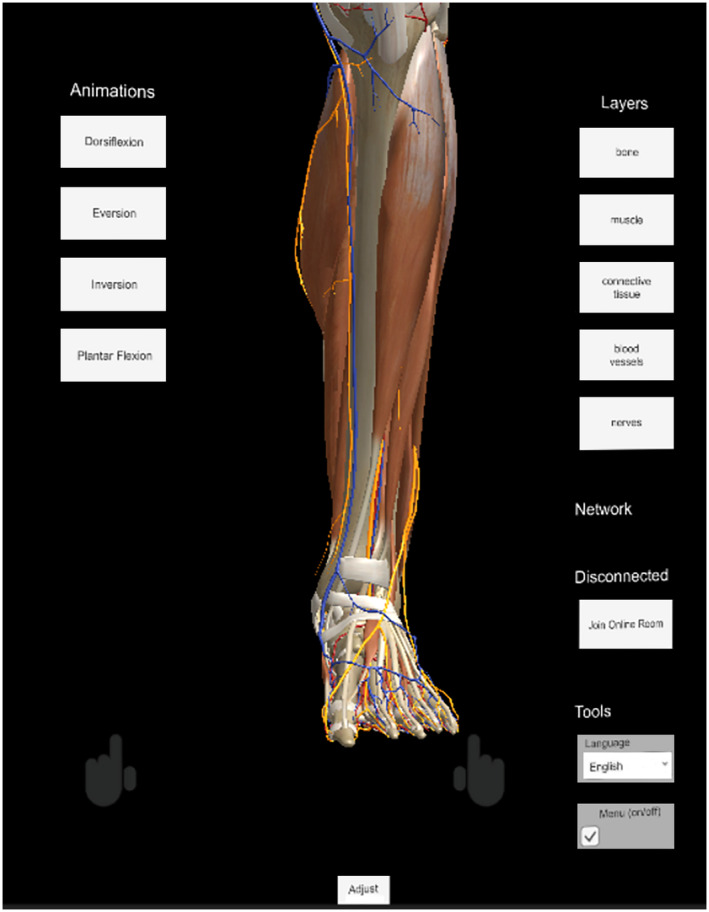
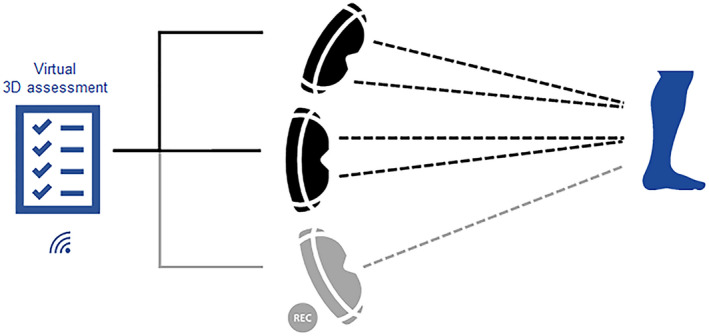
In anatomical education three-dimensional (3D) visualization technology allows for active and stereoscopic exploration of anatomy and can easily be adopted into medical curricula along with traditional 3D teaching methods. However, most often knowledge is still assessed with two-dimensional (2D) paper-and-pencil tests. To address the growing misalignment between learning and assessment, this viewpoint commentary highlights the development of a virtual 3D assessment scenario and perspectives from students and teachers on the use of this assessment tool: a 10-minute session of anatomical knowledge assessment with real-time interaction between assessor and examinee, both wearing a HoloLens and sharing the same stereoscopic 3D augmented reality model. Additionally, recommendations for future directions, including implementation, validation, logistic challenges, and cost-effectiveness, are provided. Continued collaboration between developers, researchers, teachers, and students is critical to advancing these processes.
在解剖学教育中,三维(3D)可视化技术可以让学生主动、立体地探索解剖学,并且可以很容易地与传统的 3D 教学方法一起纳入医学课程中。然而,大多数情况下,知识仍然是通过二维(2D)纸笔测试来评估的。为了解决学习与评估之间日益脱节的问题,本观点评论强调了虚拟 3D 评估场景的开发,以及学生和教师对使用这种评估工具的看法:这是一个 10 分钟的解剖学知识评估环节,评估者和考生都戴着 HoloLens,共享相同的立体 3D 增强现实模型,实时互动。此外,还提供了未来方向的建议,包括实施、验证、后勤挑战和成本效益。开发者、研究人员、教师和学生之间持续的合作对于推动这些进程至关重要。