Behavioural Science Institute, Radboud University, Nijmegen, The Netherlands.
Erasmus School of Social and Behavioural Sciences, Erasmus University Rotterdam, Rotterdam, The Netherlands.
BMC Public Health. 2021 Jan 22;21(1):202. doi: 10.1186/s12889-021-10161-9.
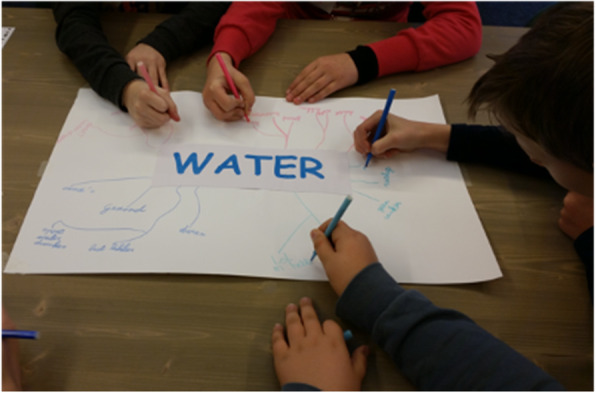
There is a need to develop and improve interventions promoting healthy drinking behaviors among children. A promising method could be to stimulate peer influence within children's social networks. In the Share HO social network intervention (SNI), peer influence was utilized by selecting a subset of influential children and training them as 'influence agents' to promote water consumption-as an alternative to SSBs. Previous research has mainly focused on the process of selecting influence agents. However, the process of motivating influence agents to promote the behavior has hardly received any research attention. Therefore, in the SNI Share HO SNI, this motivation process was emphasized and grounded in the self-determination theory (SDT). This study evaluated the implementation of the Share HO SNI, focusing on whether and how applying SDT-based techniques can motivate the influence agents and, indirectly, their peers.
This study included data collected in the Netherlands from both the influence agents (n = 37) and the peers (n = 112) in the classroom networks of the influence agents. Self-reported measurements assessed the influence agents' enjoyment of the training, duration and perceived autonomy support during the training, and changes in their intrinsic motivation and water consumption before and after the start of the intervention. Changes in the peers' intrinsic motivation, perceived social support, and social norms were measured before and after the start of the intervention.
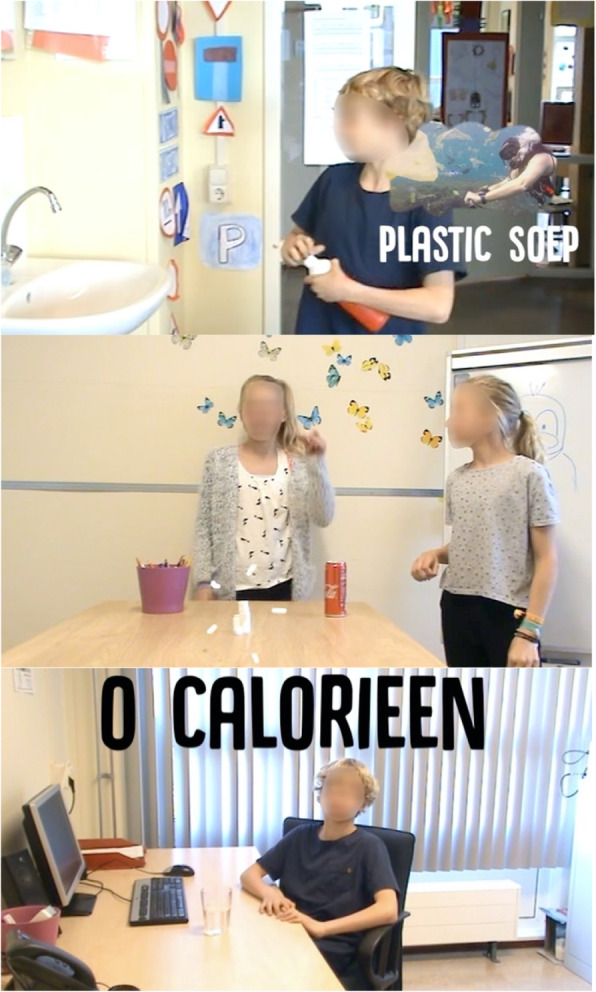
The influence agents enjoyed the training, the duration was adequate, and perceived it as autonomy supportive. There was an increase in the influence agents' intrinsic motivation to drink water and their actual water consumption. Providing personal meaningful rationales seemed to have motivated the influence agents. The intrinsic motivation and perceived descriptive norm of the peers remained stable. The peers reported an increase in their perceived social support and injunctive norm concerning water drinking after the intervention. Influence agents appeared to mainly use face-to-face strategies, such as modeling, talking to peers, and providing social support to promote the behavior.
The current findings provided preliminary evidence of the promising effects of using SDT-based techniques in an SNI to motivate the influence agents and, indirectly, their peers.
NTR, NL6905, Registered 9 January 2018, https://www.trialregister.nl/trial/6905.
需要开发和改进促进儿童健康饮酒行为的干预措施。一种有前途的方法可能是在儿童的社交网络中利用同伴影响。在 Share HO 社交网络干预 (SNI) 中,通过选择一组有影响力的儿童作为“影响者”,并培训他们促进水的消费,以此作为 SSB 的替代品,从而利用同伴影响。先前的研究主要集中在选择影响者的过程上。然而,激励影响者促进行为的过程几乎没有受到任何研究关注。因此,在 SNI Share HO SNI 中,强调并基于自我决定理论 (SDT) 来激励影响者。本研究评估了 Share HO SNI 的实施情况,重点关注应用基于 SDT 的技术是否以及如何激励影响者,并间接地激励他们的同伴。
本研究的数据来自荷兰,包括影响者(n=37)和影响者课堂网络中的同伴(n=112)的自我报告测量。自我报告测量评估了影响者对培训的享受程度、培训的持续时间和感知自主性支持、培训前后内在动机和水摄入量的变化。在干预开始前后测量了同伴的内在动机、感知社会支持和社会规范的变化。
影响者享受培训,培训时间充足,且感知到自主性支持。影响者饮水的内在动机和实际饮水量均有所增加。提供个人有意义的理由似乎激励了影响者。同伴的内在动机和感知描述性规范保持稳定。干预后,同伴报告称他们对饮水的感知社会支持和规范性支持增加。影响者似乎主要使用面对面的策略,例如示范、与同伴交谈和提供社会支持来促进行为。
目前的研究结果初步证明了在 SNI 中使用基于 SDT 的技术激励影响者并间接激励其同伴的有希望的效果。
NTR,NL6905,于 2018 年 1 月 9 日注册,https://www.trialregister.nl/trial/6905。