Division of Tropical and Humanitarian Medicine, University of Geneva and Geneva University Hospitals, Geneva, Switzerland.
CRONICAS Centre of Excellence in Chronic Diseases, Universidad Peruana Cayetano Heredia, Lima, Peru.
Diabetologia. 2021 May;64(5):954-962. doi: 10.1007/s00125-020-05375-2. Epub 2021 Jan 23.
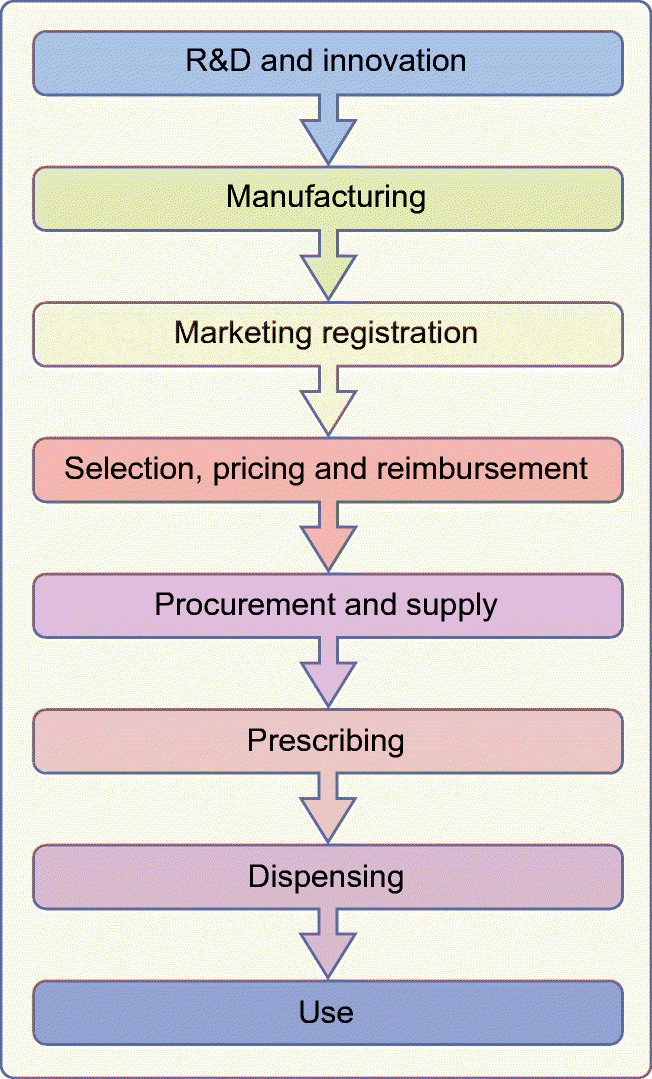
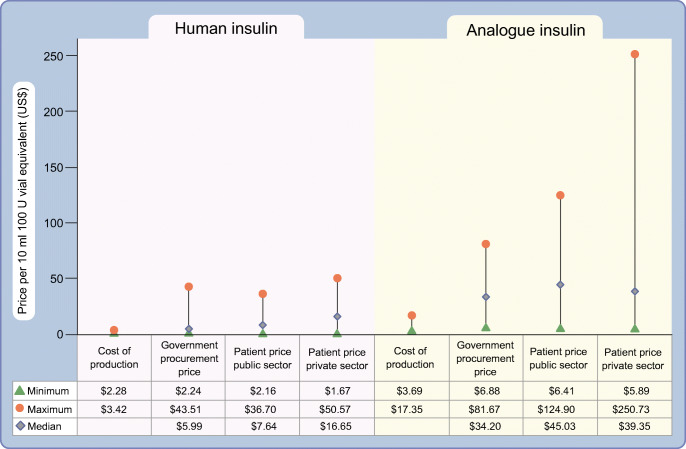
The discovery of insulin in 1921 changed the prognosis for people with type 1 diabetes. A century later, availability and affordability of insulin remain a challenge in many parts of the globe. Using the WHO's framework on understanding the life cycle of medicines, this review details the global and national challenges that affect patients' abilities to access and afford insulin. Current research and development in diabetes has seen some innovations, but none of these have truly been game-changing. Currently, three multinational companies control over 95% of global insulin supply. The inclusion of insulin on the WHO's Prequalification Programme is an opportunity to facilitate entry of new companies into the market. Many governments lack policies on the selection, procurement, supply, pricing and reimbursement of insulin. Moreover, mark-ups in the supply chain also affect the final price to the consumer. Whilst expenses related to diabetes are mostly covered by insurance in high-income countries, many patients from low- and middle-income countries have to pay out of their own pockets. The organisation of diabetes management within the healthcare system also affects patient access to insulin. The challenges affecting access to insulin are complex and require a wide range of solutions. Given that 2021 marks the centenary of the discovery of insulin, there is need for global advocacy to ensure that the benefits of insulin and innovations in diabetes care reach all individuals living with diabetes.
1921 年胰岛素的发现改变了 1 型糖尿病患者的预后。一个世纪后,胰岛素在全球许多地方的可及性和可负担性仍然是一个挑战。本文利用世界卫生组织(WHO)关于了解药品生命周期的框架,详细介绍了影响患者获取和负担胰岛素能力的全球和国家挑战。目前,糖尿病领域的一些创新确实改变了游戏规则。当前,三家跨国公司控制着全球 95%以上的胰岛素供应。将胰岛素纳入世界卫生组织预认证计划是促进新公司进入市场的机会。许多国家的政府缺乏关于胰岛素的选择、采购、供应、定价和报销的政策。此外,供应链中的加价也会影响到消费者的最终价格。虽然高收入国家的糖尿病相关费用大多由保险覆盖,但许多来自中低收入国家的患者不得不自掏腰包支付费用。医疗保健系统中糖尿病管理的组织方式也会影响患者获得胰岛素的机会。影响胰岛素获取的挑战是复杂的,需要广泛的解决方案。鉴于 2021 年标志着胰岛素发现 100 周年,需要全球倡导确保胰岛素的益处和糖尿病护理的创新惠及所有患有糖尿病的人。