The First School of Clinical Medicine, Nanjing Medical University, Nanjing, China.
Department of Radiation Oncology, The First Affiliated Hospital of Nanjing Medical University, No.300 Guangzhou Road, Nanjing, 210029, China.
J Exp Clin Cancer Res. 2021 Jan 23;40(1):38. doi: 10.1186/s13046-021-01834-9.
Radiotherapy resistance is a major obstacle in the treatment of oesophageal squamous cell carcinoma (OSCC). Hypoxia is a critical cause of radioresistance. However, the communication between hypoxic cells and aerobic cells via exosomes during the transfer of radiation resistance remains unclear.
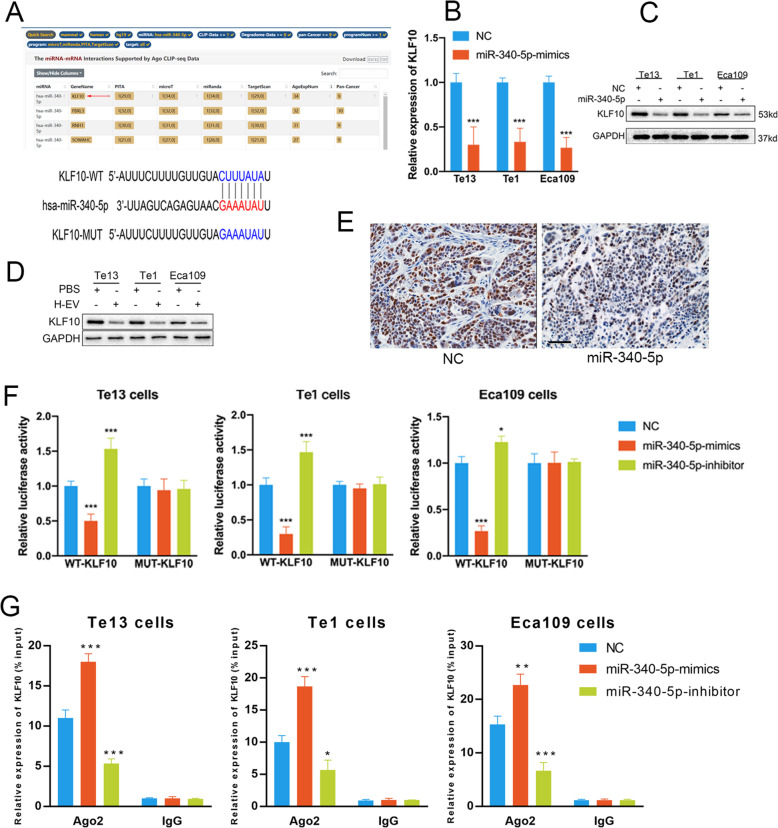
Exo-miR-340-5p levels were analysed by RNA-seq and qRT-PCR. We co-cultured OSCC cells with isolated normoxic and hypoxic exosomes to study their impact on radiosensitivity. We used a specific exo-miR-340-5p mimic and knock-down retrovirus to explore the role of this miRNA in the transfer of radioresistance from hypoxic to normoxic cells. Dual-luciferase reporter and RIP assays were used to verify KLF10 as a putative target of miR-340-5p. Several in vitro assays were conducted and xenograft models were established to investigate the effect of exo-miR-340-5p on OSCC radiosensitivity. The plasma exo-miR-340-5p levels in OSCC patients were analysed to study the clinical value of this parameter.
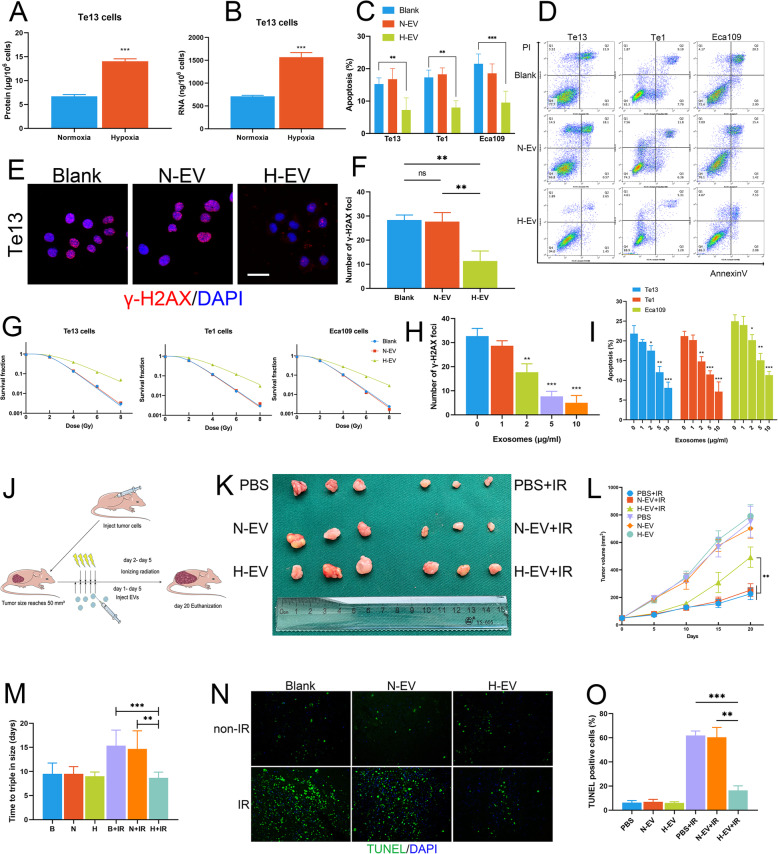
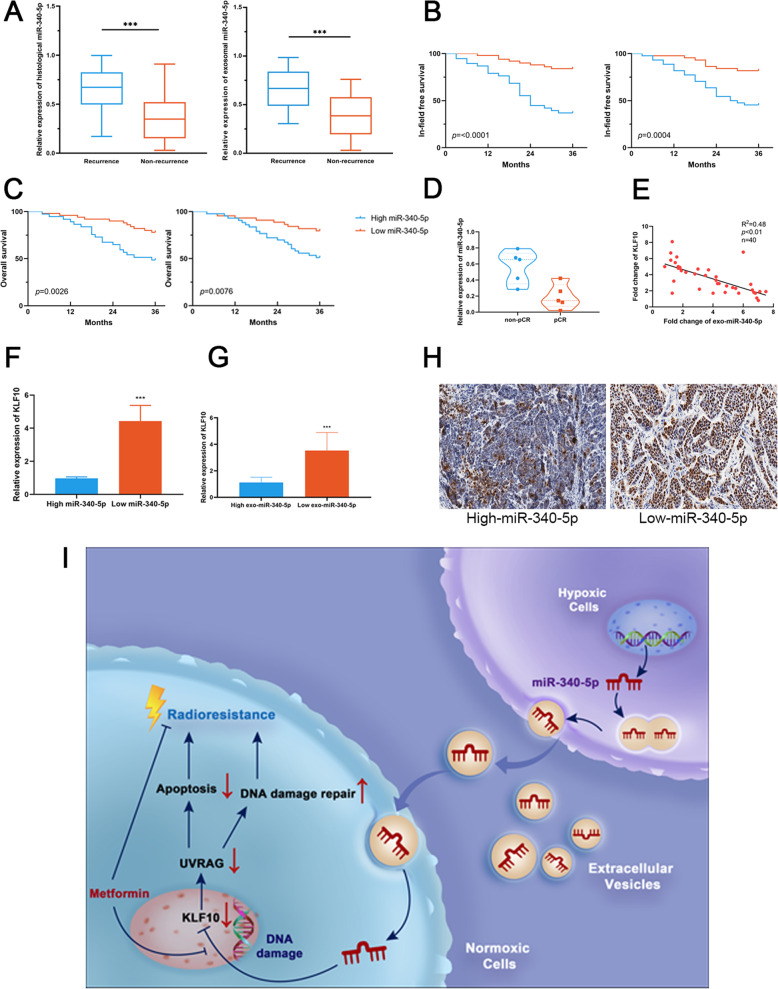
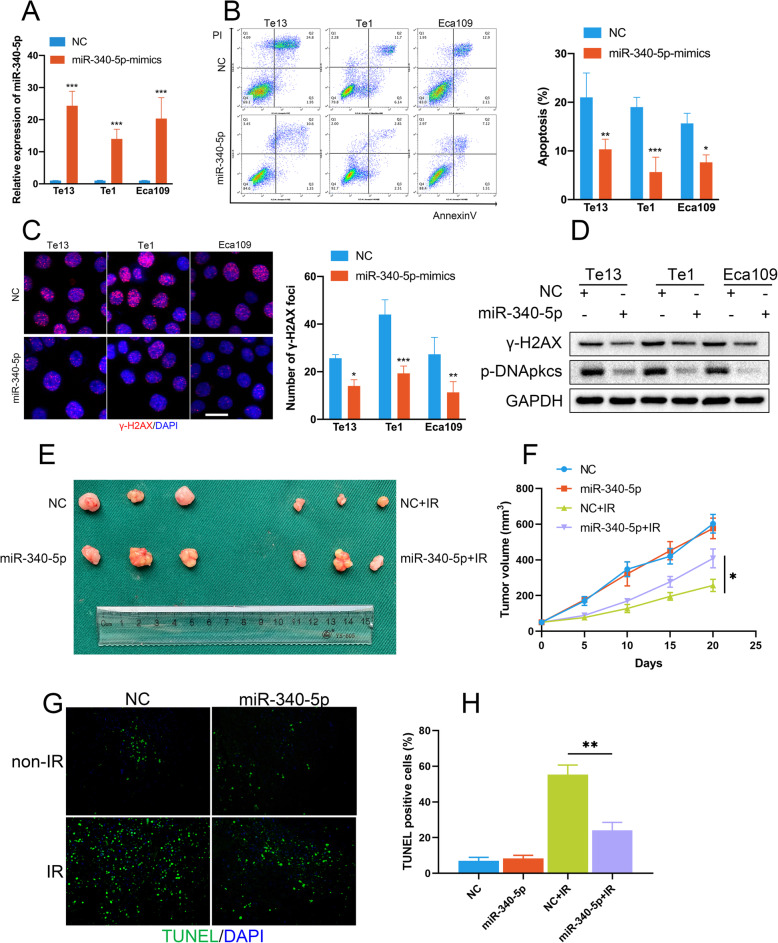
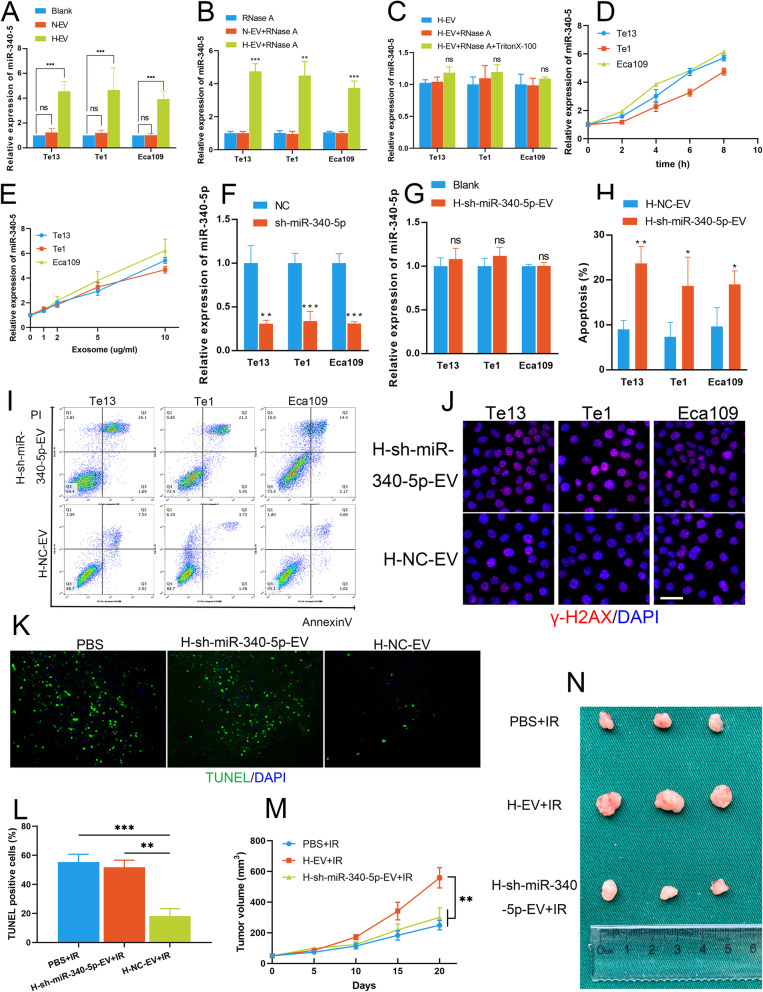
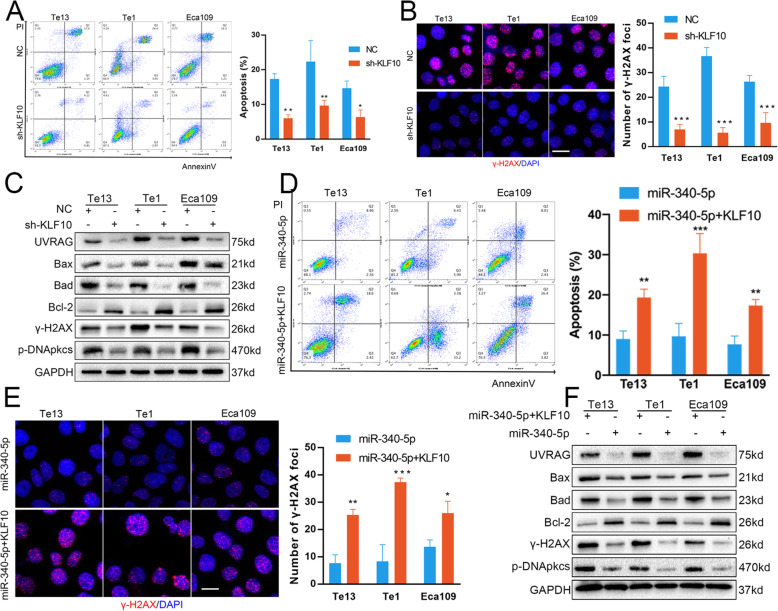
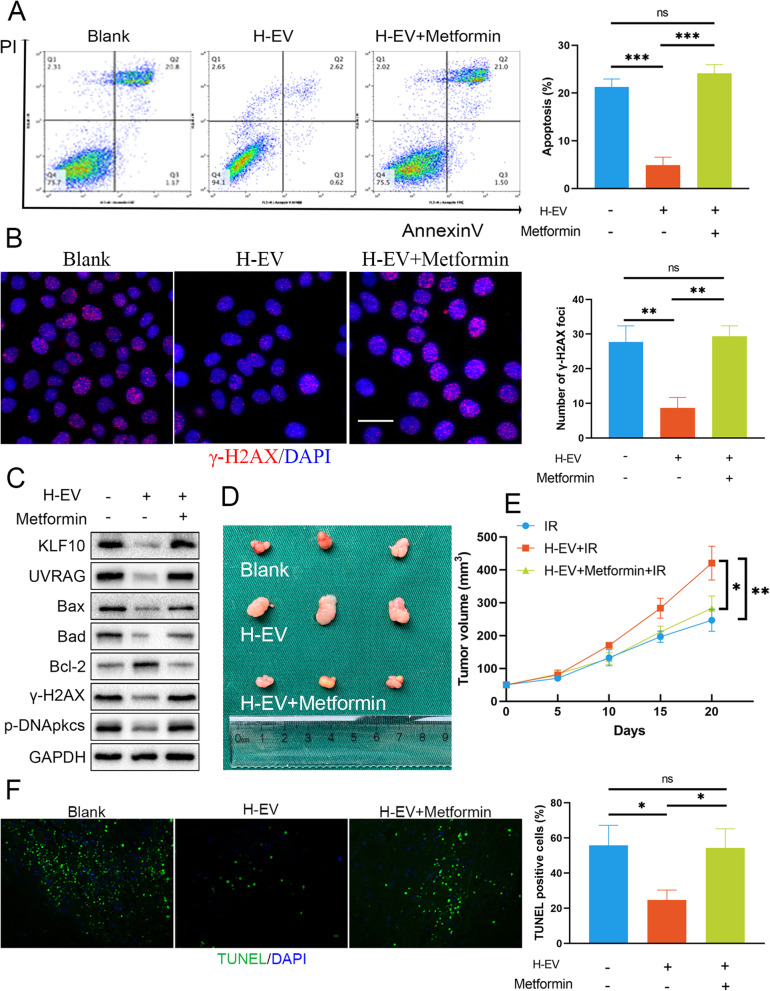
Hypoxic exosomes alleviated radiation-induced apoptosis and accelerated DNA damage repair. miR-340-5p was highly expressed in hypoxic exosomes and was transferred into normoxic cells, where it induced radioresistance. Overexpression of miR-340-5p in normoxic OSCC cells mimicked the radioresistance of cells co-cultured with hypoxic exosomes. Knockdown of miR-340-5p in hypoxic exosomes reversed the radioresistance effect, indicating that exo-miR-340-5p is critical for hypoxic EV-transferred radioresistance. KLF10 was identified as the direct target of miR-340-5p. Moreover, metformin was found to increase the expression of KLF10 and enhance the radiosensitivity of OSCC. Higher levels of miR-340-5p in the plasma exosomes from OSCC patients are related to a poorer radiotherapy response and prognosis.
Hypoxic tumour cell-derived exosomal miR-340-5p confers radioresistance in OSCC by targeting KLF10/UVRAG, suggesting that miR-340-5p could be a potential biomarker and therapeutic target for the enhancement of radiosensitivity in OSCC. Metformin can increase KLF10 expression, which ameliorates the radioresistance induced by exo-miR-340-5p transfer. Therefore, metformin could be further investigated as a therapeutic option for the treatment of OSCC.
放疗抵抗是食管鳞状细胞癌(OSCC)治疗的主要障碍。缺氧是放疗抵抗的一个关键原因。然而,在辐射抗性转移过程中,缺氧细胞与有氧细胞之间通过外泌体进行的通讯仍不清楚。
通过 RNA-seq 和 qRT-PCR 分析外泌体 miR-340-5p 水平。我们将 OSCC 细胞与分离的常氧和低氧外泌体共培养,以研究它们对放射敏感性的影响。我们使用特定的外泌体 miR-340-5p 模拟物和敲低逆转录病毒来探索这种 miRNA 在将放疗抵抗从低氧转移到常氧细胞中的作用。双荧光素酶报告和 RIP 测定用于验证 KLF10 是 miR-340-5p 的一个潜在靶标。进行了几种体外实验,并建立了异种移植模型,以研究外泌体 miR-340-5p 对 OSCC 放射敏感性的影响。分析了 OSCC 患者血浆外泌体 miR-340-5p 水平,以研究该参数的临床价值。
低氧外泌体减轻了放射诱导的细胞凋亡并加速了 DNA 损伤修复。miR-340-5p 在低氧外泌体中高表达,并转移到常氧细胞中,从而诱导放疗抵抗。在常氧 OSCC 细胞中过表达 miR-340-5p 可模拟与低氧外泌体共培养的细胞的放疗抵抗。低氧外泌体中 miR-340-5p 的敲低逆转了放疗抵抗效应,表明外泌体 miR-340-5p 对低氧 EV 转移的放疗抵抗至关重要。KLF10 被鉴定为 miR-340-5p 的直接靶标。此外,发现二甲双胍可以增加 KLF10 的表达并增强 OSCC 的放射敏感性。OSCC 患者血浆外泌体中 miR-340-5p 水平较高与较差的放疗反应和预后相关。
缺氧肿瘤细胞衍生的外泌体 miR-340-5p 通过靶向 KLF10/UVRAG 赋予 OSCC 放疗抵抗性,表明 miR-340-5p 可能是增强 OSCC 放射敏感性的潜在生物标志物和治疗靶标。二甲双胍可以增加 KLF10 的表达,从而改善外泌体 miR-340-5p 转移引起的放疗抵抗。因此,二甲双胍可进一步作为治疗 OSCC 的治疗选择进行研究。