Gantait Saikat, Mahanta Manisha, Bera Soumen, Verma Sandeep Kumar
Crop Research Unit (Genetics and Plant Breeding), Bidhan Chandra Krishi Viswavidyalaya, Mohanpur, Nadia, 741252 West Bengal India.
College of Agriculture, Bidhan Chandra Krishi Viswavidyalaya, Burdwan, 713101 West Bengal India.
3 Biotech. 2021 Feb;11(2):62. doi: 10.1007/s13205-020-02615-5. Epub 2021 Jan 11.
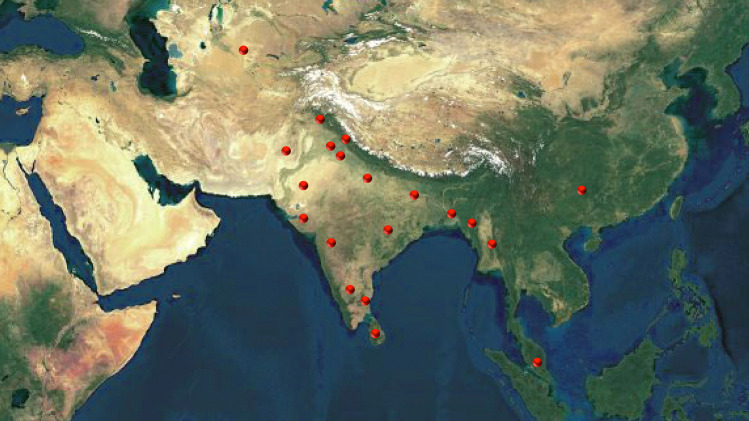
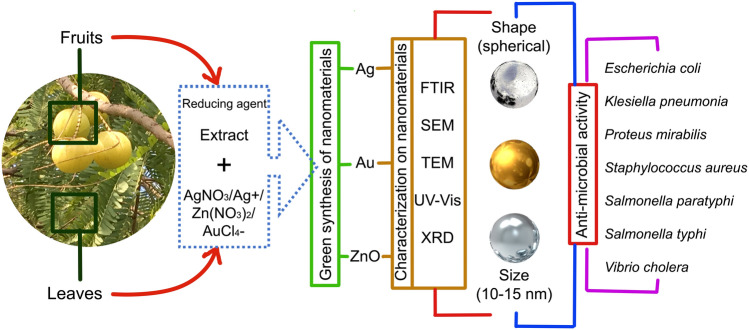
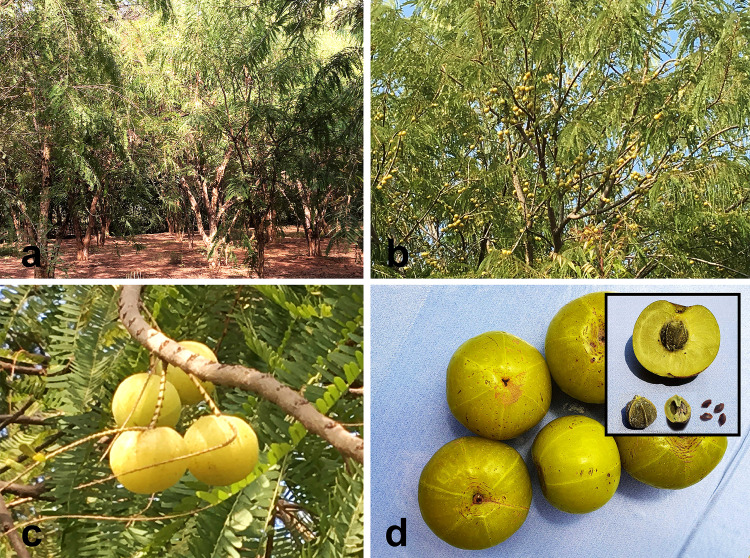
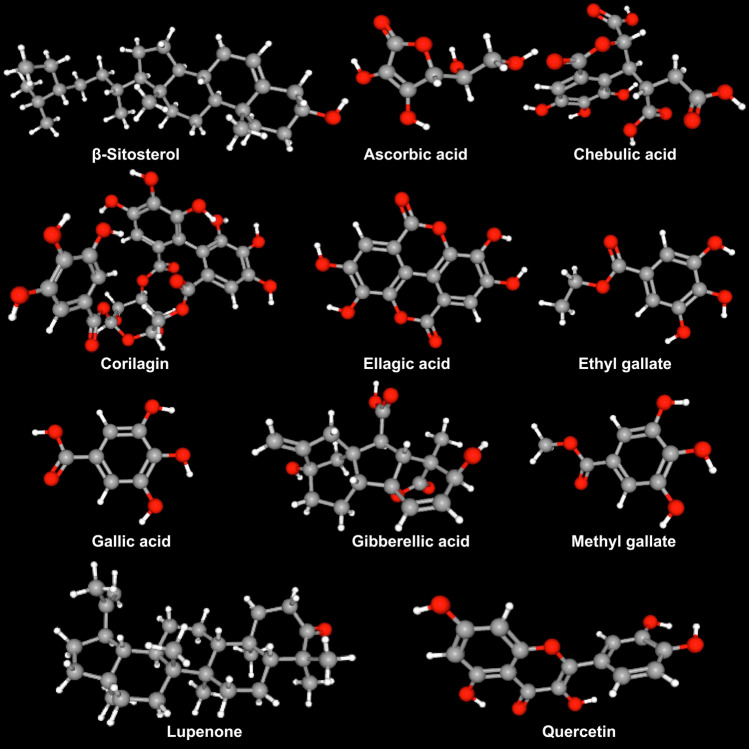
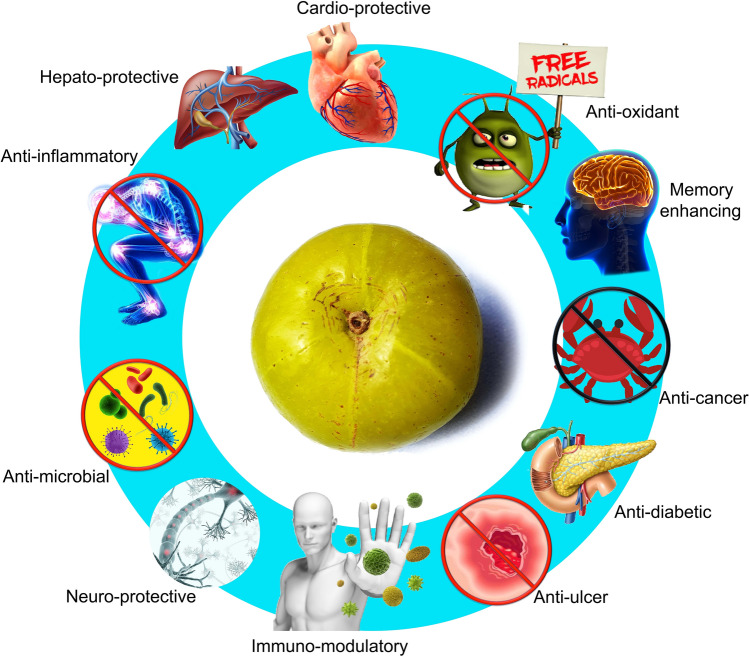
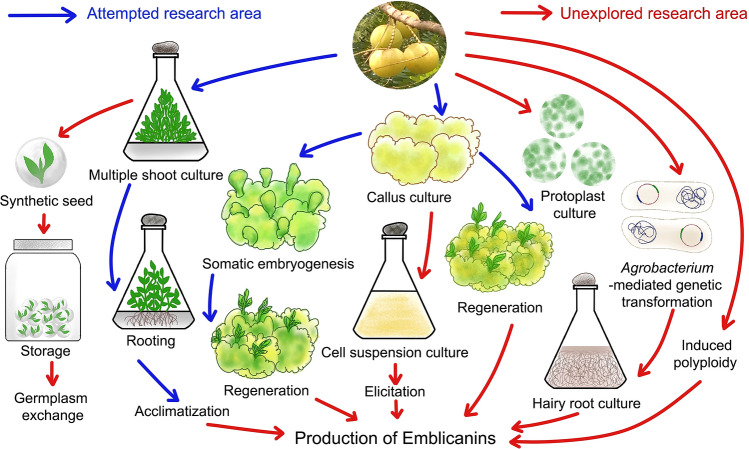
Gaertn. syn. L., universally known as 'Amla' or 'Aonla' or 'Indian gooseberry', is a popular fruit tree belonging to the family Euphorbiaceae and order Geraniales. It is said to be the very first tree that originated on earth, as claimed by age-old Indian mythology. Almost all parts of the tree root, bark, leaf, flower, fruit and seed are utilized in Ayurvedic and Unani medicinal formulations to improve the overall digestive process, decrease fever, act as a blood purifier, relieve asthma and cough, improve heart health, etc. This tree contains major secondary metabolites like emblicanin-A and emblicanin-B, and also is an affluent source of vitamin-C. Additionally, some other secondary metabolites like tannins, gallic acid, pyrogallol, and pectin are also present in significant amounts. Conventional propagation has been improved via suitable interventions of agrotechnology both in production and protection areas. However, the rate of propagation remains slower; therefore, attempts have been made for biotechnological advancements on . The present review makes an attempt to highlight the botanical description, geographical distribution, ethnopharmacological importance, conventional propagation and protection of this medicinal tree, describing the in vitro-based plant organ and tissue culture methods like direct and indirect organogenesis and somatic embryogenesis along with interventions of molecular marker-based biotechnology and nanotechnology. Further, the prospect of the yet-to-be-explored biotechnological methods for secondary metabolite enhancement like cell suspension, protoplast culture, genetic transformation, etc. and their potential for enhanced emblicanin production have also been discussed in this appraisal.
余甘子(Gaertn. syn. L.),普遍被称为“印度醋栗”或“庵摩勒”,是一种属于大戟科、牻牛儿苗目的常见果树。古老的印度神话称其为地球上最早出现的树木。几乎树的所有部分——根、树皮、叶、花、果实和种子,都被用于阿育吠陀和尤纳尼医学配方中,以改善整体消化过程、降低发烧、净化血液、缓解哮喘和咳嗽、改善心脏健康等。这种树含有主要的次生代谢产物,如余甘子素-A和余甘子素-B,也是维生素C的丰富来源。此外,还含有大量其他次生代谢产物,如单宁、没食子酸、连苯三酚和果胶。通过农业技术在生产和保护区的适当干预,传统繁殖方法得到了改进。然而,繁殖速度仍然较慢;因此,人们已尝试在生物技术方面取得进展。本综述试图突出这种药用树的植物学描述、地理分布、民族药理学重要性、传统繁殖和保护方法,描述基于离体的植物器官和组织培养方法,如直接和间接器官发生以及体细胞胚胎发生,以及基于分子标记的生物技术和纳米技术的干预措施。此外,本评估还讨论了尚未探索的用于增强次生代谢产物的生物技术方法,如细胞悬浮、原生质体培养、遗传转化等,以及它们在提高余甘子素产量方面的潜力。