Department of Orthopedic Surgery, Washington University School of Medicine, St. Louis, MO, USA.
Shriners Hospitals for Children, St. Louis, MO, USA.
Connect Tissue Res. 2022 Jan;63(1):69-81. doi: 10.1080/03008207.2020.1871475. Epub 2021 Jan 25.
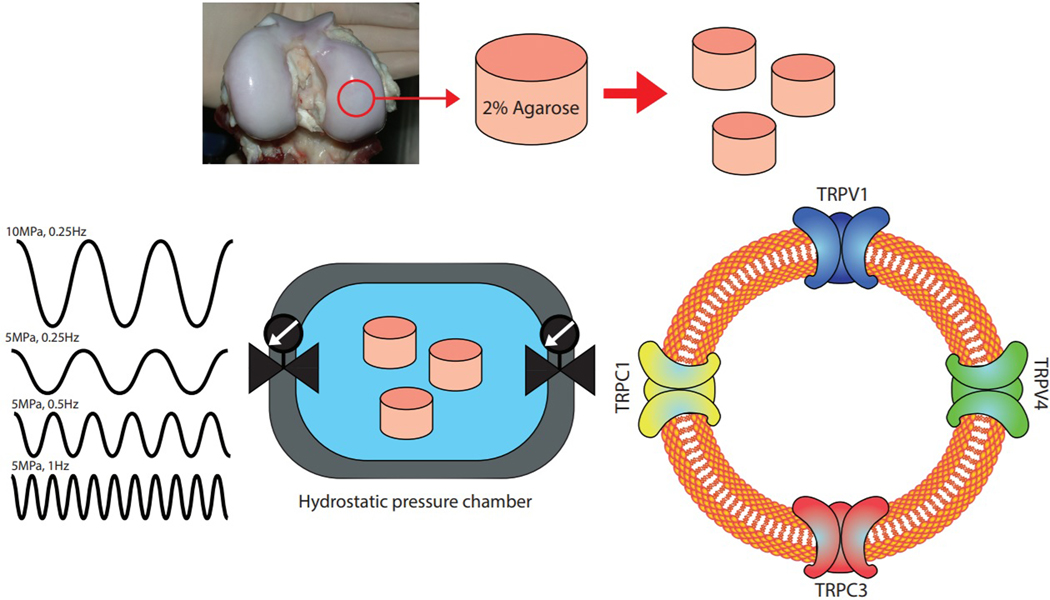
Chondrocytes perceive and respond to mechanical loading as signals that regulate their metabolism. Joint loading exposes chondrocytes to multiple modes of mechanical stress, including hydrostatic pressure; however, the mechanisms by which chondrocytes sense physiologically relevant levels of hydrostatic pressure are not well understood. We hypothesized that hydrostatic pressure is transduced to an intracellular signal through mechanosensitive membrane ion channels of chondrocytes. The goals of this study were to examine the effect of hydrostatic loading on the development of engineered cartilage tissue and the contribution of mechanosensitive ion channels on these hydrostatic loading effects.
Using a 3D model of porcine chondrocytes in agarose, we applied specific chemical inhibitors to determine the role of transient receptor potential (TRP) ion channels TRPV1, TRPV4, TRPC3, and TRPC1 in transducing hydrostatic pressure.
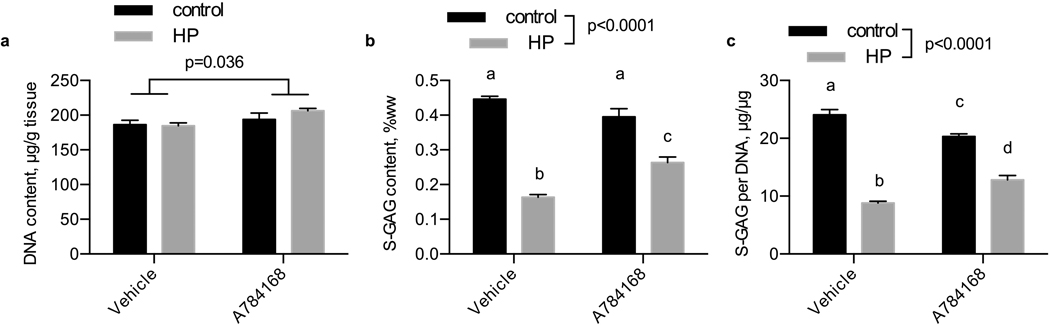
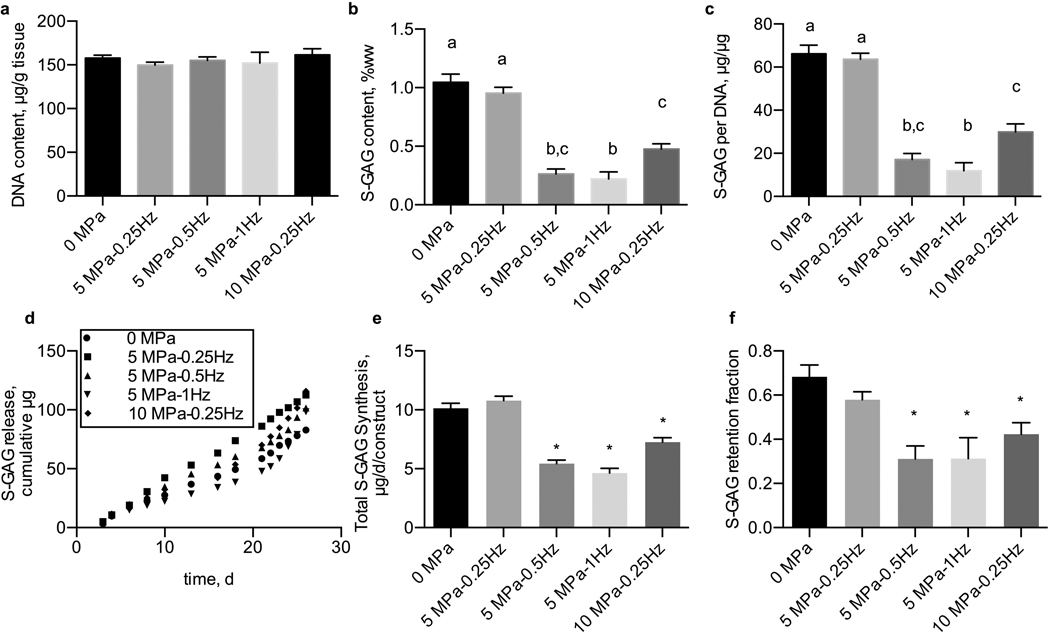
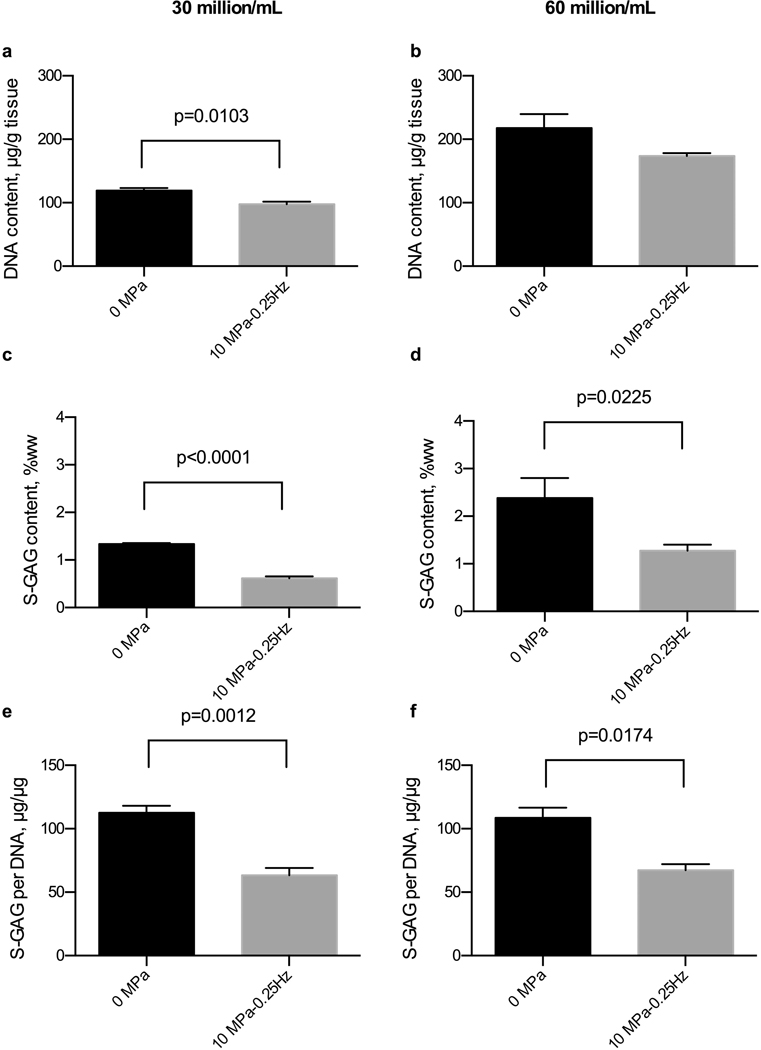
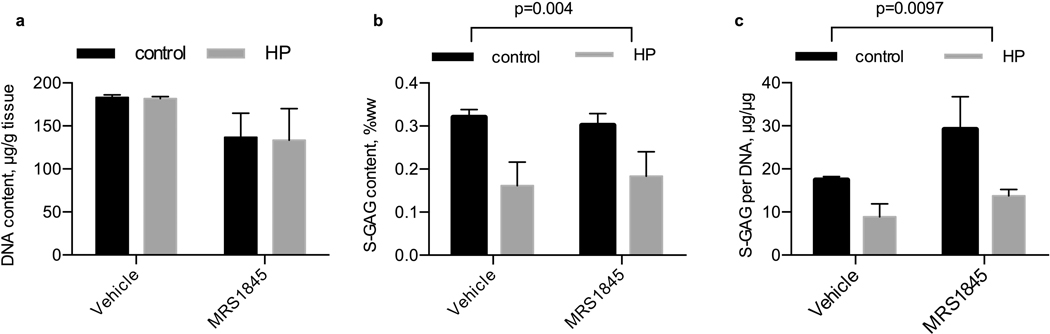
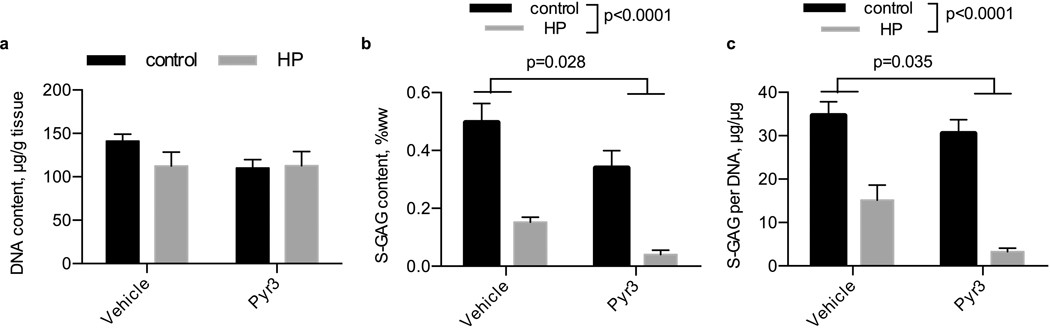
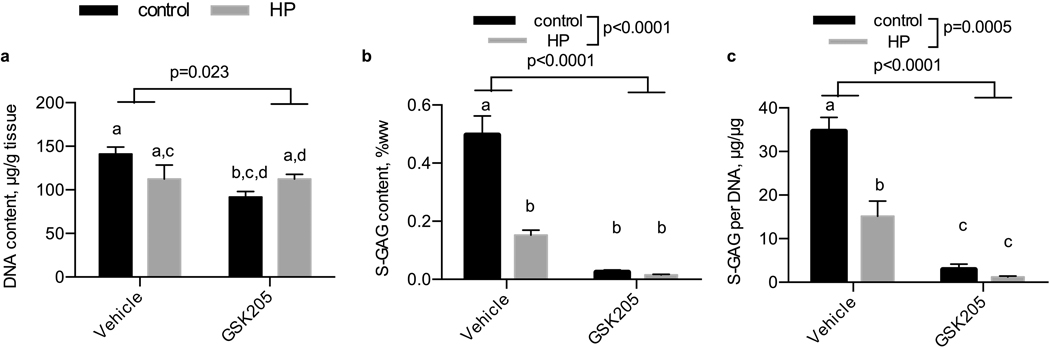
Hydrostatic loading caused a frequency and magnitude-dependent decrease in sulfated glycosaminoglycans (S-GAG), without changes in DNA content. Inhibiting TRPC3 and TRPV4 decreased S-GAG content; however, only the inhibition of TRPV1 partially attenuated the hydrostatic loading-induced reduction in S-GAG content.
Our findings indicate that TRPV1 may serve as a transducer of hydrostatic pressure in chondrocytes, and provide further support for the role of TRPV4 in regulating chondrocyte anabolism, as well as initial evidence implicating TRPC3 in chondrogenesis. These findings add to our further understanding of the chondrocyte "channelome" and suggest that a range of ion channels mediate the transduction of different biophysical stimuli such as hydrostatic pressure, membrane stretch, or osmotic stress.
软骨细胞将机械加载视为调节其代谢的信号进行感知和响应。关节加载使软骨细胞暴露于多种机械应力模式,包括静水压力;然而,软骨细胞感知生理相关水平的静水压力的机制尚不清楚。我们假设静水压力通过软骨细胞的机械敏感膜离子通道转化为细胞内信号。本研究的目的是研究静压对工程化软骨组织发育的影响,以及机械敏感离子通道对这些静压效应的贡献。
我们使用琼脂糖中猪软骨细胞的 3D 模型,应用特定的化学抑制剂来确定瞬时受体电位 (TRP) 离子通道 TRPV1、TRPV4、TRPC3 和 TRPC1 在转化静水压力中的作用。
静水压力导致硫酸软骨素 (S-GAG) 的含量以频率和幅度依赖性降低,而 DNA 含量没有变化。抑制 TRPC3 和 TRPV4 降低了 S-GAG 含量;然而,只有 TRPV1 的抑制部分减弱了静水压力诱导的 S-GAG 含量减少。
我们的发现表明 TRPV1 可能作为软骨细胞中静水压力的传感器,进一步支持 TRPV4 在调节软骨细胞合成代谢中的作用,以及 TRPC3 参与软骨发生的初步证据。这些发现增加了我们对软骨细胞“通道组”的进一步理解,并表明一系列离子通道介导不同生物物理刺激(如静水压力、膜拉伸或渗透压)的转导。