Department of Nutrition, Georgia State University, Atlanta, GA 30302, USA.
Department of Kinesiology and Health, Georgia State University, Atlanta, GA 30302, USA.
Nutrients. 2021 Jan 27;13(2):387. doi: 10.3390/nu13020387.
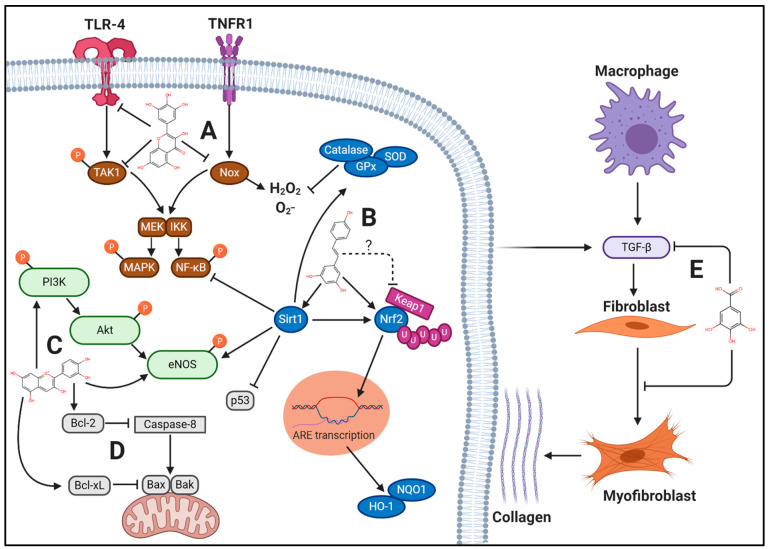
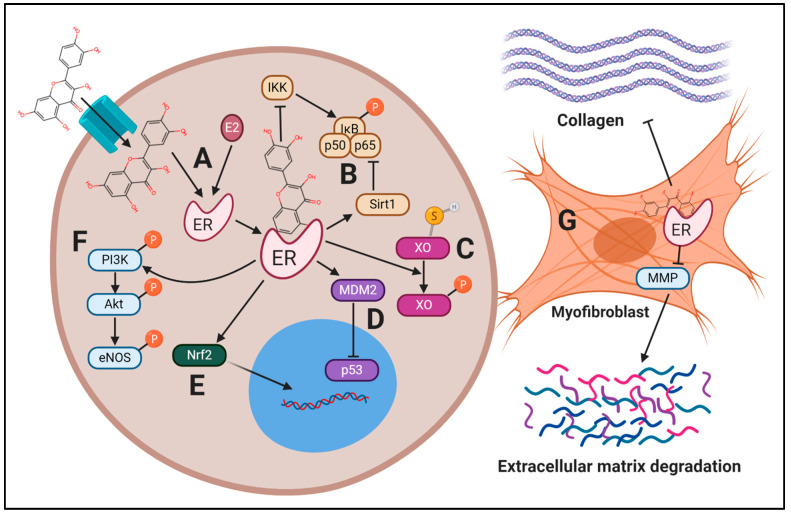
Cardiovascular disease (CVD) prevalence, pathogenesis, and manifestation is differentially influenced by biological sex. Berry polyphenols target several signaling pathways pertinent to CVD development, including inflammation, oxidative stress, and cardiac and vascular remodeling, and there are innate differences in these pathways that also vary by sex. There is limited research systematically investigating sex differences in berry polyphenol effects on these pathways, but there are fundamental findings at this time that suggest a sex-specific effect. This review will detail mechanisms within these pathological pathways, how they differ by sex, and how they may be individually targeted by berry polyphenols in a sex-specific manner. Because of the substantial polyphenolic profile of berries, berry consumption represents a promising interventional tool in the treatment and prevention of CVD in both sexes, but the mechanisms in which they function within each sex may vary.
心血管疾病(CVD)的患病率、发病机制和临床表现受到生物性别差异的影响。浆果多酚靶向与 CVD 发展相关的几个信号通路,包括炎症、氧化应激、心脏和血管重塑,这些通路存在内在差异,并且因性别而异。目前,关于浆果多酚对这些通路的影响的性别差异的研究有限,但此时有一些基本的发现表明存在性别特异性效应。本综述将详细介绍这些病理通路中的机制、它们如何因性别而异,以及浆果多酚如何以性别特异性的方式分别针对它们进行靶向治疗。由于浆果具有丰富的多酚成分,浆果的消费代表了一种有前途的干预工具,可用于治疗和预防两性的 CVD,但它们在每个性别中的作用机制可能有所不同。