Mani Vellingiri Manon, Soundari Arockiam Jeyasundar Parimala Gnana, Balasubramanian Balamuralikrishnan, Park Sungkwon, Issara Utthapon, Preethi Kathirvel, Liu Wen-Chao
Department of Biotechnology, Rathnavel Subramaniam College of Arts and Science, Coimbatore, Tamil Nadu 641402, India.
Department of Microbial Biotechnology, Bharathiar University, Coimbatore-46, Tamil Nadu 641046, India.
Molecules. 2021 Jan 27;26(3):654. doi: 10.3390/molecules26030654.
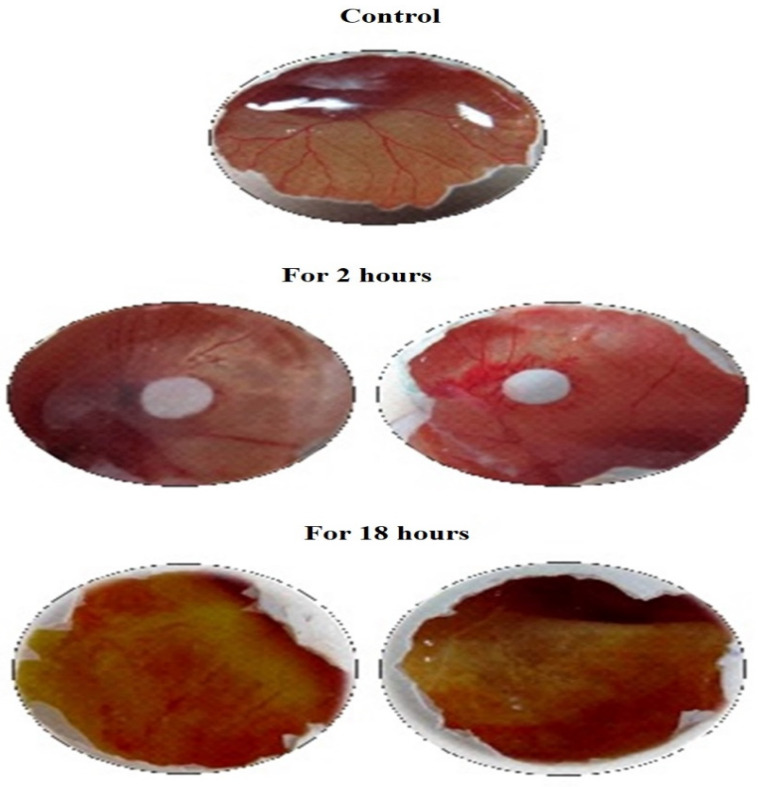
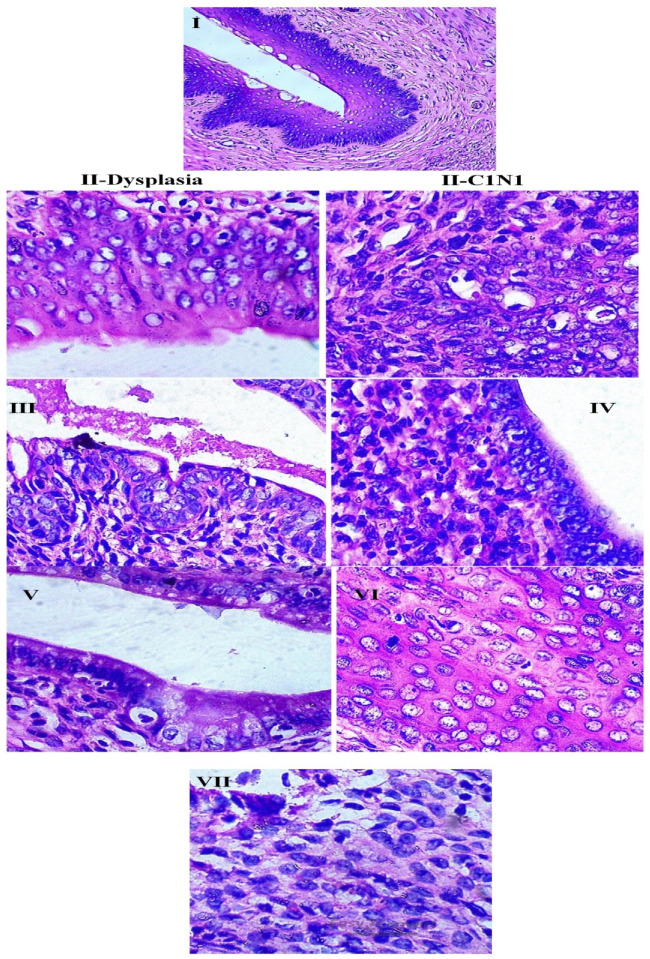
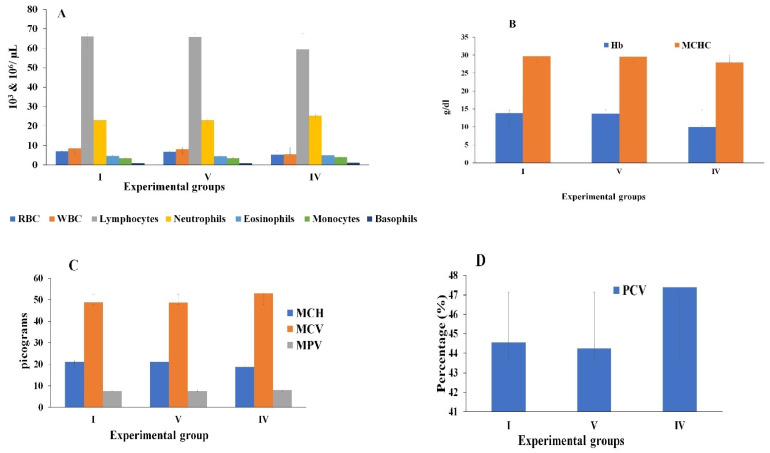
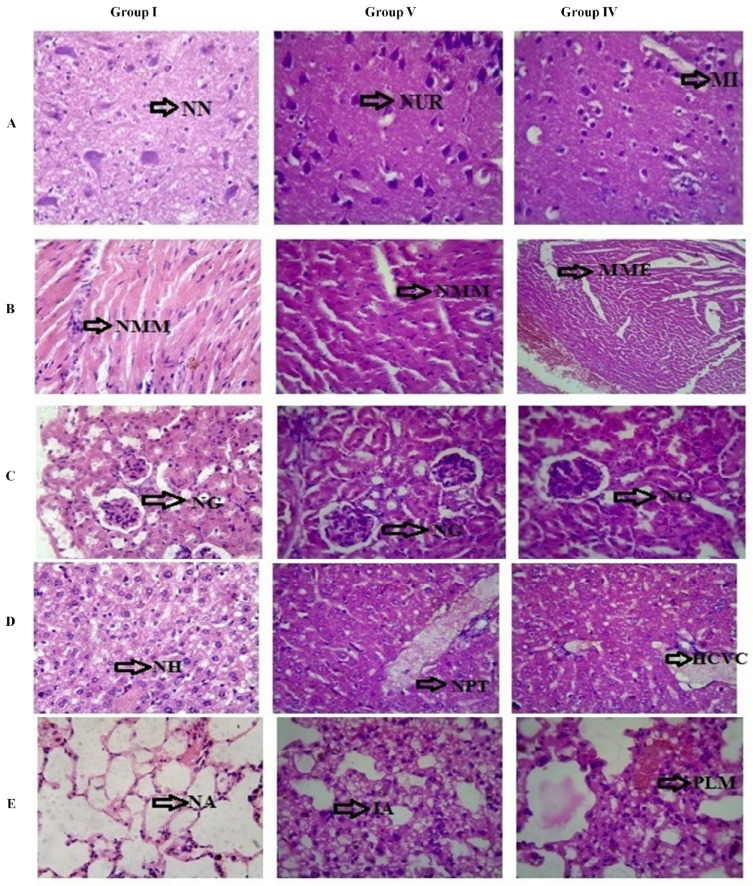
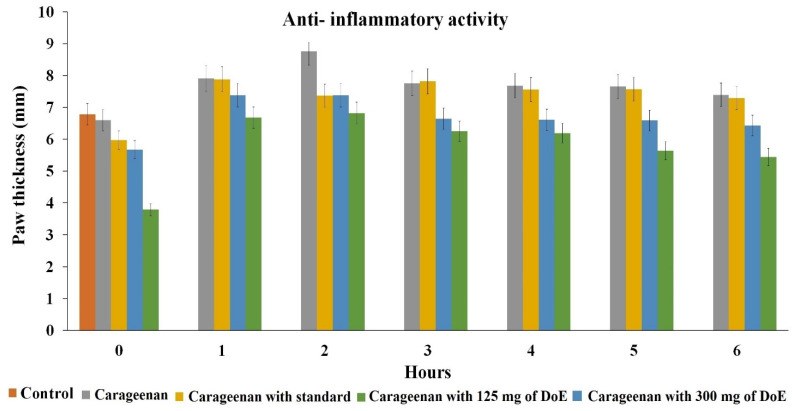
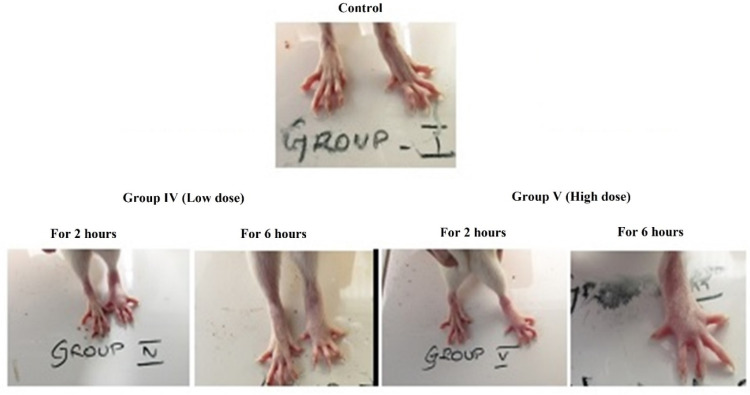
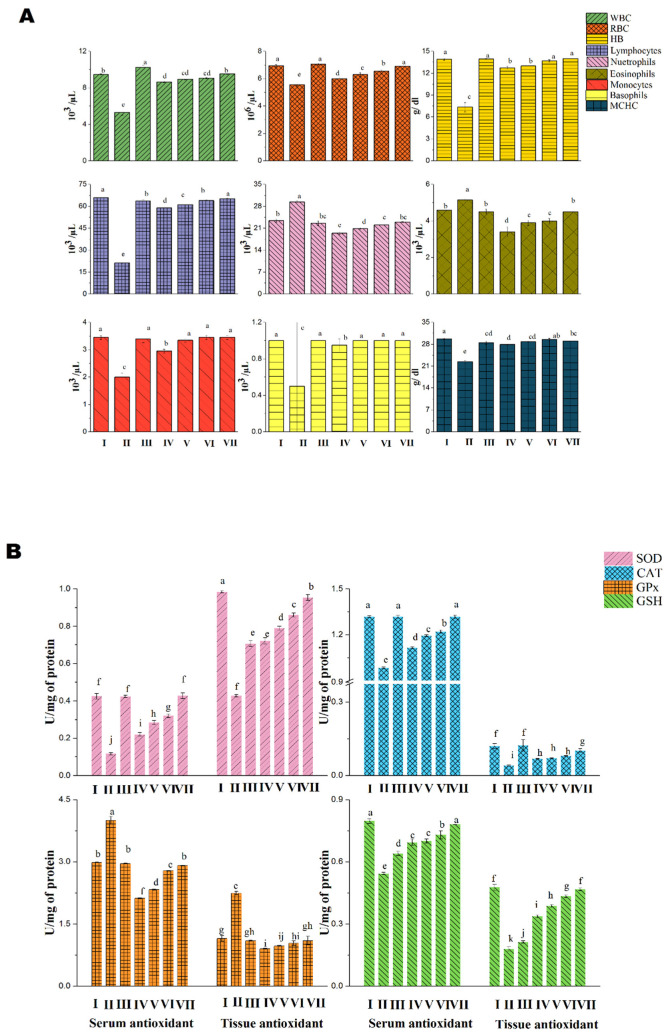
Cervical cancer, as the most frequent cancer in women globally and accounts almost 14% in India. It can be prevented or treated with vaccines, radiation, chemotherapy, and brachytherapy. The chemotherapeutic agents cause adverse post effects by the destruction of the neighboring normal cells or altering the properties of the cells. In order to reduce the severity of the side effects caused by the chemically synthesized therapeutic agents, the current research developed an anti-cancer agent dimer of epicatechin (DoE), a natural bioactive secondary metabolite (BSM) mediated from an endophytic fungus FC2AP. The investigation has initiated with the evaluation of inhibiting the angiogenesis which is a main activity in metastasis, and it was assessed through Hen's Egg Test on Chorio Allantoic Membrane (HET-CAM) test; the BSM inhibited the growth of blood vessels in the developing chick embryo. Further the DoE was evaluated for its acute toxicity levels in albino mice, whereas the survival dose was found to be 1250 mg/kg and the lethal dose was 1500 mg/kg body weight of albino mice; hematological, biochemical, and histopathological analyses were assessed. The anti-inflammatory responses of the DoE were evaluated in carrageenan induced Wistar rats and the reduction of inflammation occurred in a dose-dependent manner. By fixing the effective dose for anti-inflammation analysis, the DoE was taken for the anti-cervical cancer analysis in benzo (a) pyrene induced female Sprague-Dawley rats for 60 days trial. After the stipulated days, the rats were taken for hematological antioxidants, lipid peroxidation (LPO), member bound enzymes, cervical histopathological and carcinogenic markers analyses. The results specified that the DoE has the capability of reducing the tumor in an efficient way. This is the first report of flavonoid-DoE production from an endophytic fungus has the anticancer potentiality and it can be stated as anti-cancer drug.
宫颈癌是全球女性中最常见的癌症,在印度占比近14%。它可以通过疫苗、放疗、化疗和近距离放射疗法进行预防或治疗。化疗药物会通过破坏邻近的正常细胞或改变细胞特性而产生不良副作用。为了降低化学合成治疗药物引起的副作用的严重程度,当前的研究开发了一种抗癌剂——表儿茶素二聚体(DoE),它是一种由内生真菌FC2AP介导产生的天然生物活性次生代谢产物(BSM)。研究首先评估了其对血管生成的抑制作用,血管生成是转移过程中的主要活动,通过鸡胚绒毛尿囊膜试验(HET-CAM)进行评估;该BSM抑制了发育中的鸡胚血管的生长。进一步评估了DoE对白化小鼠的急性毒性水平,发现其存活剂量为1250mg/kg,致死剂量为1500mg/kg体重的白化小鼠;并进行了血液学、生化和组织病理学分析。在角叉菜胶诱导的Wistar大鼠中评估了DoE的抗炎反应,炎症的减轻呈剂量依赖性。通过确定抗炎分析的有效剂量,将DoE用于苯并(a)芘诱导的雌性Sprague-Dawley大鼠的抗宫颈癌分析,进行为期60天的试验。在规定天数后,对大鼠进行血液学抗氧化剂、脂质过氧化(LPO)、膜结合酶、宫颈组织病理学和致癌标志物分析。结果表明,DoE具有有效减少肿瘤的能力。这是关于从内生真菌中产生具有抗癌潜力的类黄酮DoE的首次报道,它可以被称为抗癌药物。