Gargouch Nesrine, Elleuch Fatma, Karkouch Ines, Tabbene Olfa, Pichon Chantal, Gardarin Christine, Rihouey Christophe, Picton Luc, Abdelkafi Slim, Fendri Imen, Laroche Céline
Institut Pascal, CNRS, SIGMA Clermont, Université Clermont Auvergne, F-63000 Clermont-Ferrand, France.
Laboratoire de Biotechnologie Végétale Appliquée à l'Amélioration des Cultures, Faculty of Sciences of Sfax, University of Sfax, Sfax 3000, Tunisia.
Mar Drugs. 2021 Jan 27;19(2):66. doi: 10.3390/md19020066.
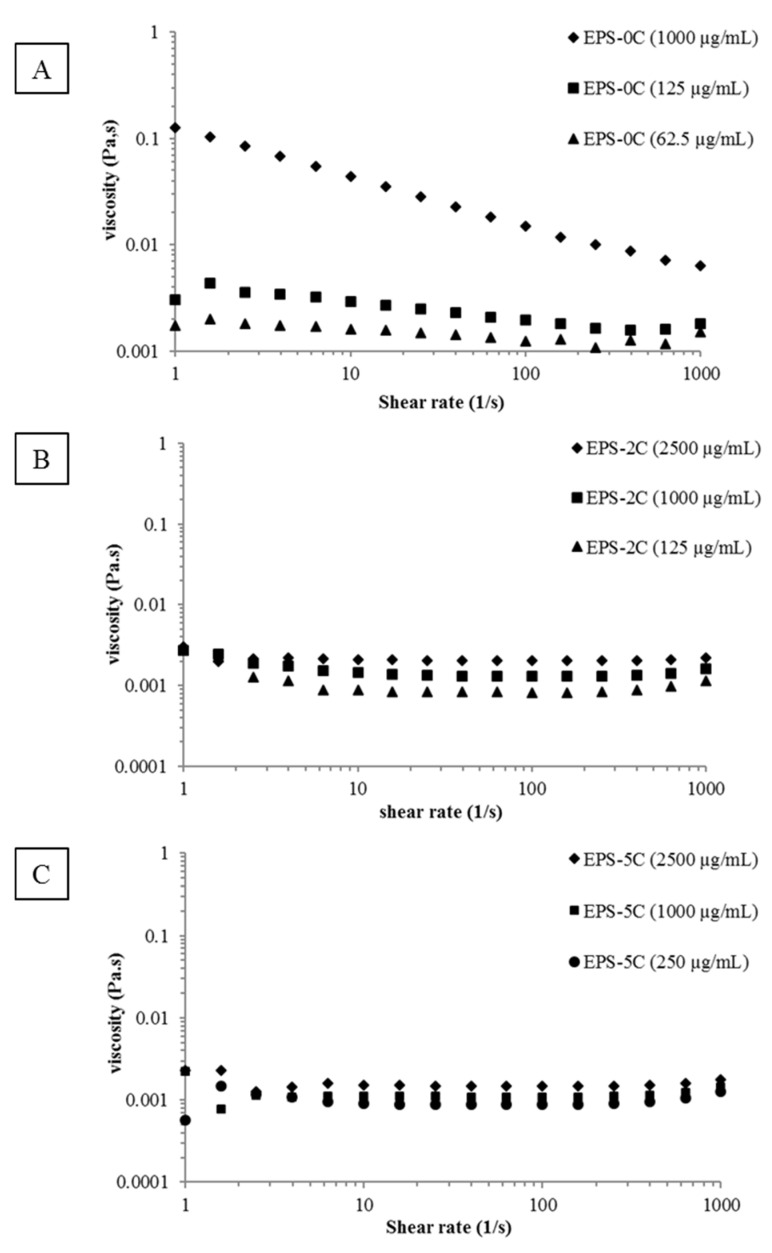
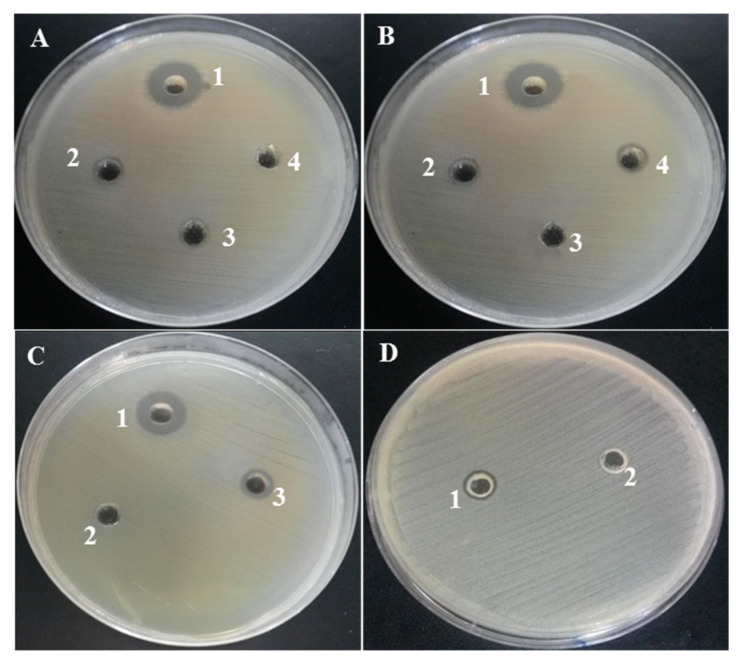
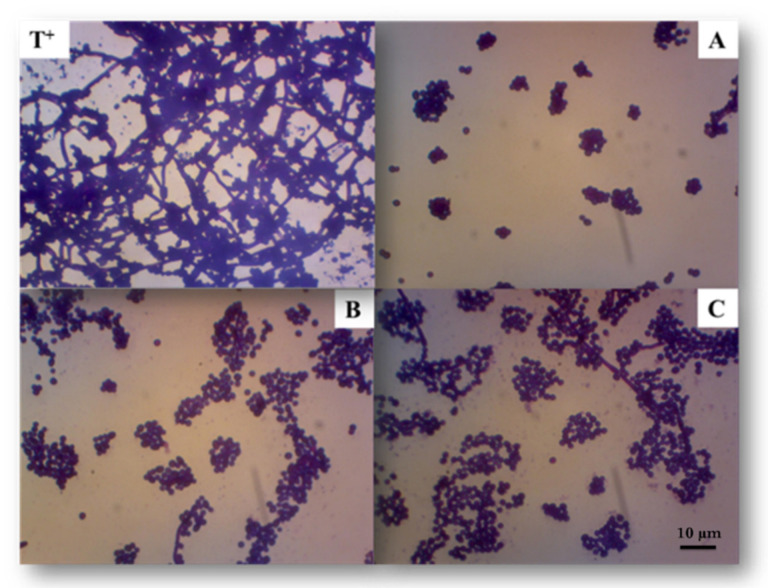
Exopolysaccharide (EPS) from marine microalgae are promising sources of a new generation of drugs. However, lot of them remain to be discovered and tested. In this study, EPS produced by and its oligomers prepared by High Pressure Homogenizer have been tested for different biological activities, i.e., antibacterial, anti-fungal and antibiofilm activities on , as well as for their effects on the viability of murine breast cancer cells. Results have shown that all EPS samples present some biological activity. For antibacterial and antibiofilm activities, the native EPS exhibited a better efficiency with Minimum Inhibitory Concentration (MIC) from 62.5 µg/mL to 1000 µg/mL depending on the bacterial strain. For , the biofilm formation was reduced by about 90% by using only a 31.3 µg/mL concentration. Concerning breast cancer cells, lower molar masses fractions appeared to be more efficient, with a reduction of viability of up to 55%. Finally, analyses of polymers composition and viscosity measurements were conducted on all samples, in order to propose hypotheses involving the activities caused by the intrinsic properties of polymers.
海洋微藻产生的胞外多糖(EPS)是新一代药物的有前景的来源。然而,其中许多仍有待发现和测试。在本研究中,对[具体微藻名称未给出]产生的EPS及其通过高压均质机制备的低聚物进行了不同生物活性的测试,即对[具体细菌名称未给出]的抗菌、抗真菌和抗生物膜活性,以及它们对小鼠乳腺癌细胞活力的影响。结果表明,所有EPS样品都具有一定的生物活性。对于抗菌和抗生物膜活性,天然EPS表现出更好的效率,根据细菌菌株不同,最低抑菌浓度(MIC)为62.5 µg/mL至1000 µg/mL。对于[具体细菌名称未给出],仅使用31.3 µg/mL的浓度就能使生物膜形成减少约90%。关于乳腺癌细胞,较低摩尔质量的组分似乎更有效,细胞活力降低高达55%。最后,对所有样品进行了聚合物组成分析和粘度测量,以便提出涉及聚合物固有特性引起的活性的假设。