Janysek Dawn C, Kim Jennifer, Duijf Pascal H G, Dray Eloïse
School of Medicine, University of Texas Health Science Center at San Antonio, San Antonio, TX, United States.
Queensland University of Technology, IHBI at the Translational Research Institute, Brisbane, QLD, Australia; Centre for Data Science, Queensland University of Technology, Brisbane, QLD, Australia; University of Queensland Diamantina Institute, The University of Queensland, Brisbane, QLD, Australia.
Transl Oncol. 2021 Mar;14(3):101012. doi: 10.1016/j.tranon.2021.101012. Epub 2021 Jan 27.
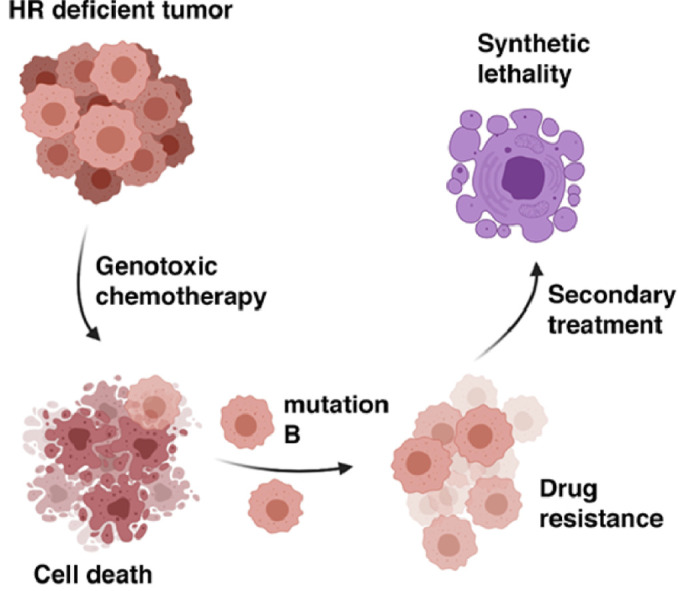
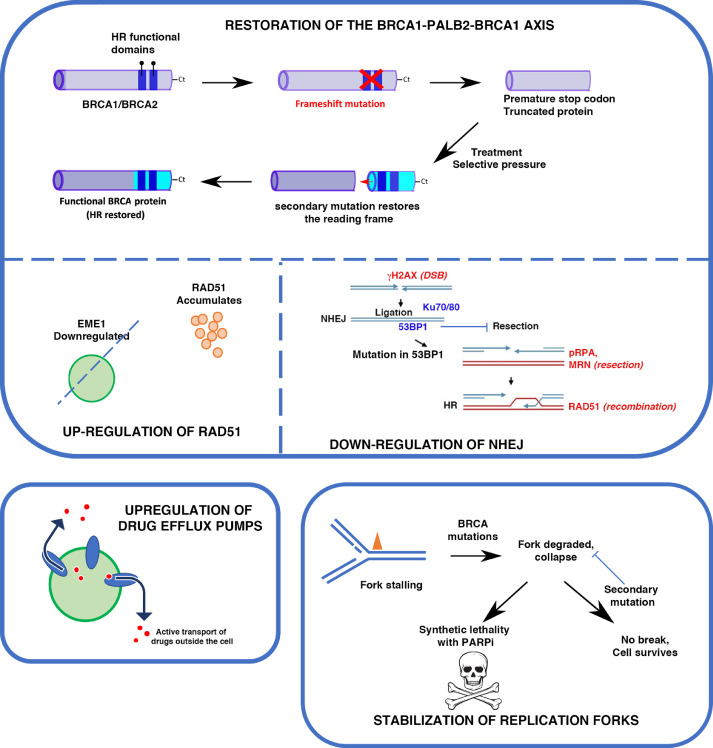
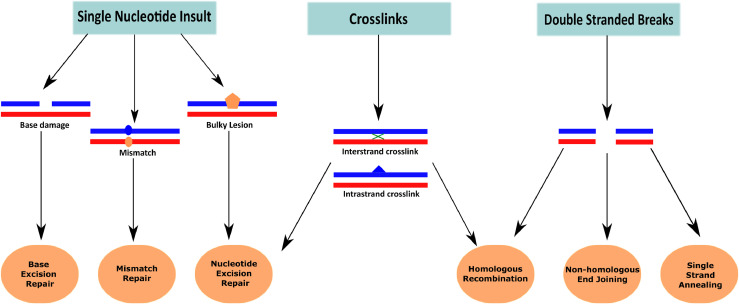
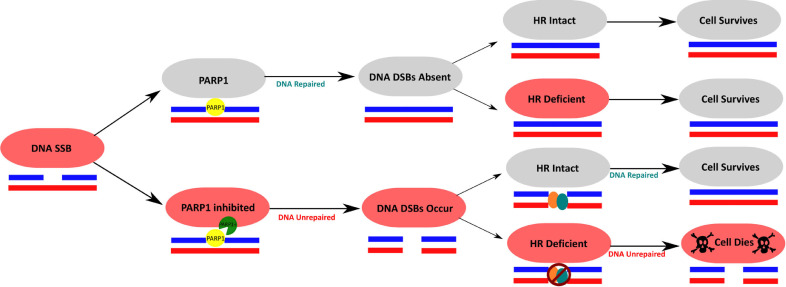
Cells are continuously subjected to DNA damaging agents. DNA damages are repaired by one of the many pathways guarding genomic integrity. When one or several DNA damage pathways are rendered inefficient, cells can accumulate mutations, which modify normal cellular pathways, favoring abnormal cell growth. This supports malignant transformation, which can occur when cells acquire resistance to cell cycle checkpoints, apoptosis, or growth inhibition signals. Mutations in genes involved in the repair of DNA double strand breaks (DSBs), such as BRCA1, BRCA2, or PALB2, significantly increase the risk of developing cancer of the breast, ovaries, pancreas, or prostate. Fortunately, the inability of these tumors to repair DNA breaks makes them sensitive to genotoxic chemotherapies, allowing for the development of therapies precisely tailored to individuals' genetic backgrounds. Unfortunately, as with many anti-cancer agents, drugs used to treat patients carrying a BRCA1 or BRCA2 mutation create a selective pressure, and over time tumors can become drug resistant. Here, we detail the cellular function of tumor suppressors essential in DNA damage repair pathways, present the mechanisms of action of inhibitors used to create synthetic lethality in BRCA carriers, and review the major molecular sources of drug resistance. Finally, we present examples of the many strategies being developed to circumvent drug resistance.
细胞不断受到DNA损伤剂的作用。DNA损伤通过众多维护基因组完整性的途径之一进行修复。当一个或多个DNA损伤途径效率低下时,细胞会积累突变,这些突变会改变正常细胞途径,促进异常细胞生长。这支持恶性转化,当细胞获得对细胞周期检查点、细胞凋亡或生长抑制信号的抗性时就会发生恶性转化。参与DNA双链断裂(DSB)修复的基因如BRCA1、BRCA2或PALB2发生突变,会显著增加患乳腺癌、卵巢癌、胰腺癌或前列腺癌的风险。幸运的是,这些肿瘤无法修复DNA断裂使其对基因毒性化疗敏感,从而能够开发出精确针对个体遗传背景的疗法。不幸的是,与许多抗癌药物一样,用于治疗携带BRCA1或BRCA2突变患者的药物会产生选择性压力,随着时间的推移肿瘤会产生耐药性。在这里,我们详细介绍了DNA损伤修复途径中至关重要的肿瘤抑制因子的细胞功能,介绍了用于在BRCA携带者中产生合成致死性的抑制剂的作用机制,并综述了耐药性的主要分子来源。最后,我们列举了正在开发的许多规避耐药性的策略实例。