Department of Endocrine and Metabolic Diseases, Ruijin Hospital, Shanghai Jiao Tong University School of Medicine, Shanghai Institute of Endocrine and Metabolic Diseases, Shanghai Clinical Center for Endocrine and Metabolic Diseases, Shanghai, 200025, China.
Bio-X Institutes, Key Laboratory for the Genetics of Developmental and Neuropsychiatric Disorders (Ministry of Education), Shanghai Key Laboratory of Psychotic Disorders, and Brain Science and Technology Research Center, Shanghai Jiao Tong University, Shanghai, 200240, China.
Microbiome. 2021 Jan 31;9(1):34. doi: 10.1186/s40168-020-00988-6.
Parkinson's disease (PD) is a neurodegenerative disorder with no absolute cure. The evidence of the involvement of gut microbiota in PD pathogenesis suggests the need to identify certain molecule(s) derived from the gut microbiota, which has the potential to manage PD. Osteocalcin (OCN), an osteoblast-secreted protein, has been shown to modulate brain function. Thus, it is of interest to investigate whether OCN could exert protective effect on PD and, if yes, whether the underlying mechanism lies in the subsequent changes in gut microbiota.
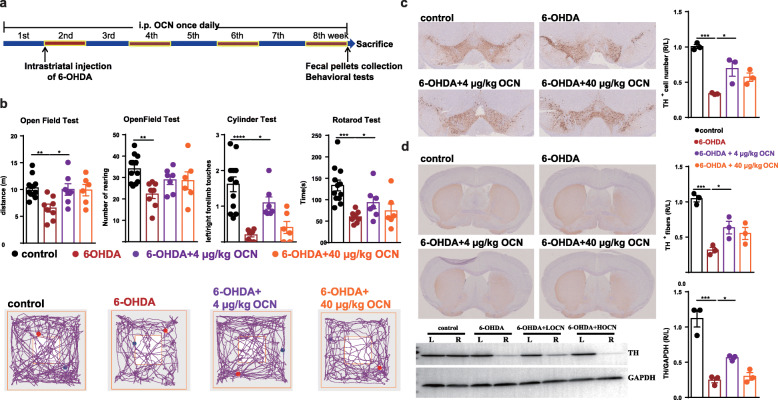
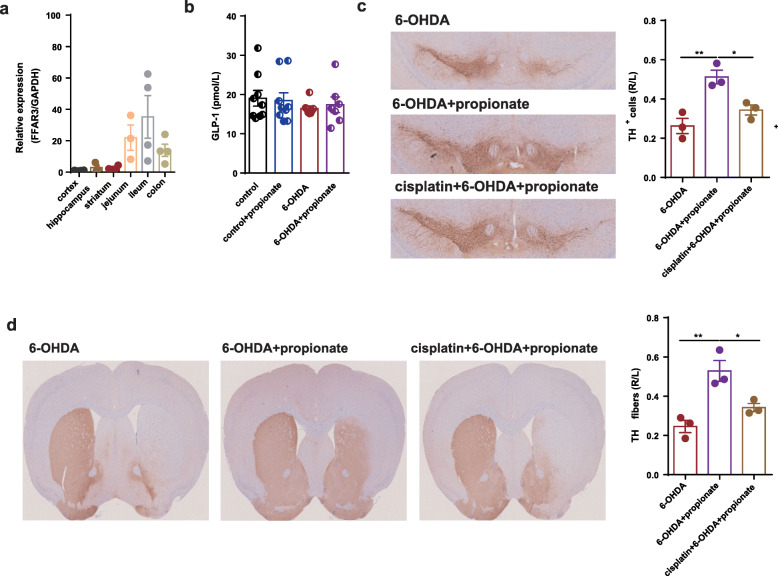
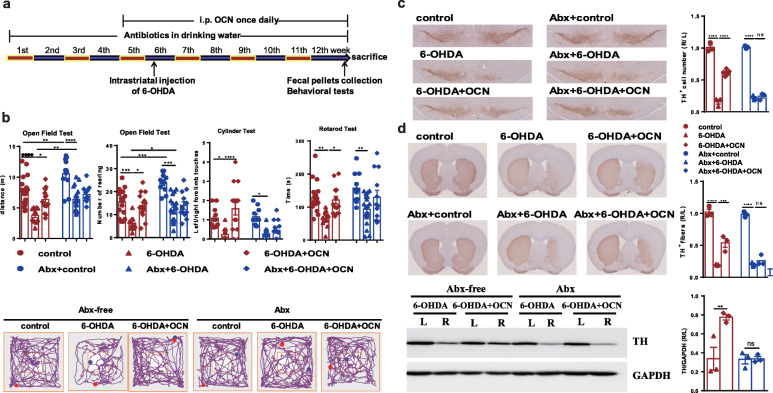
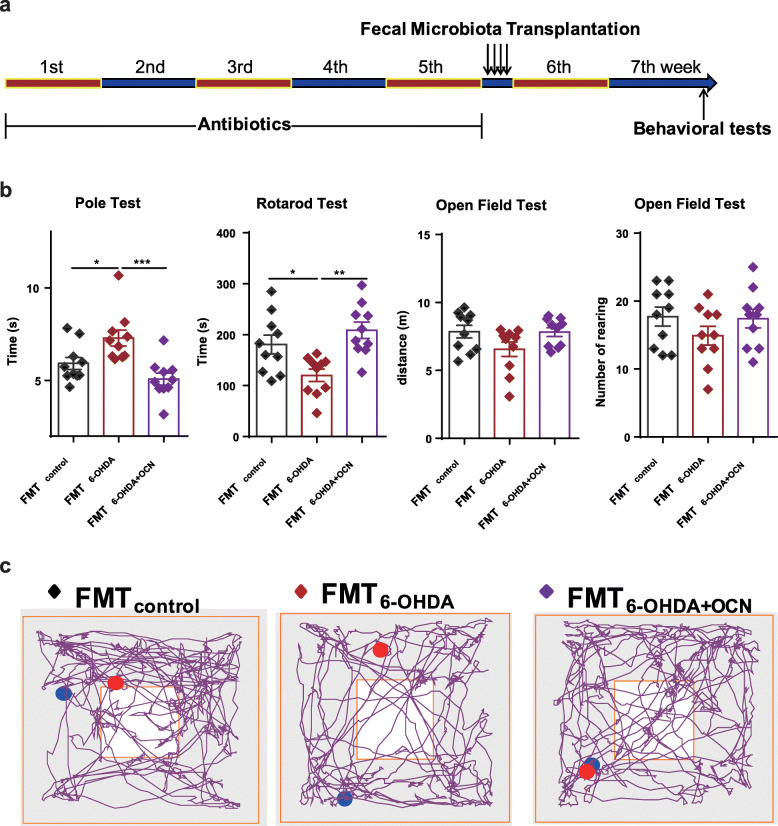
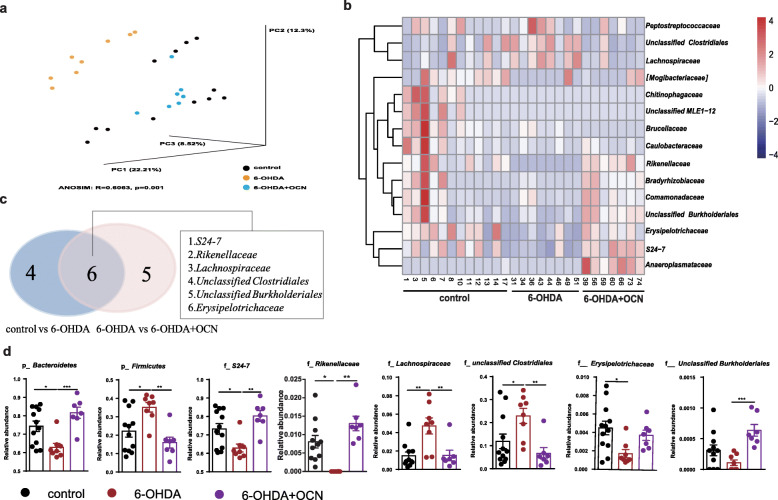
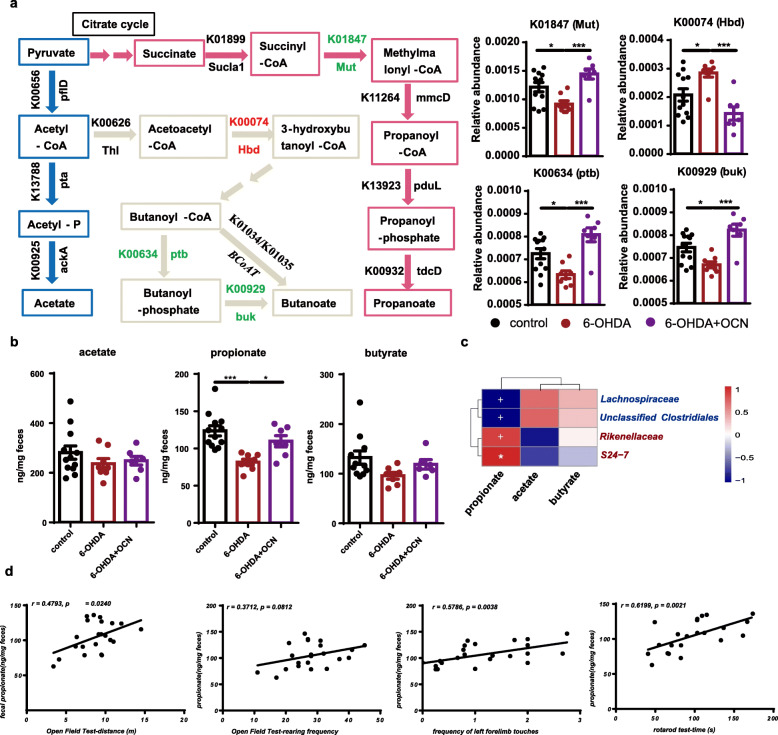
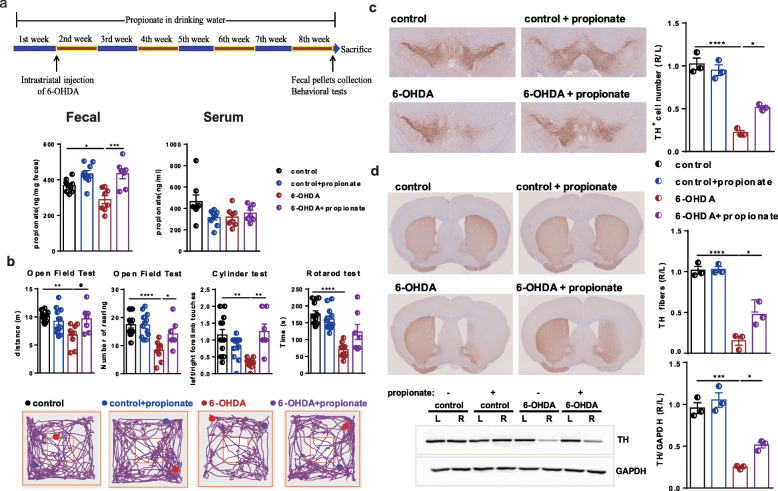
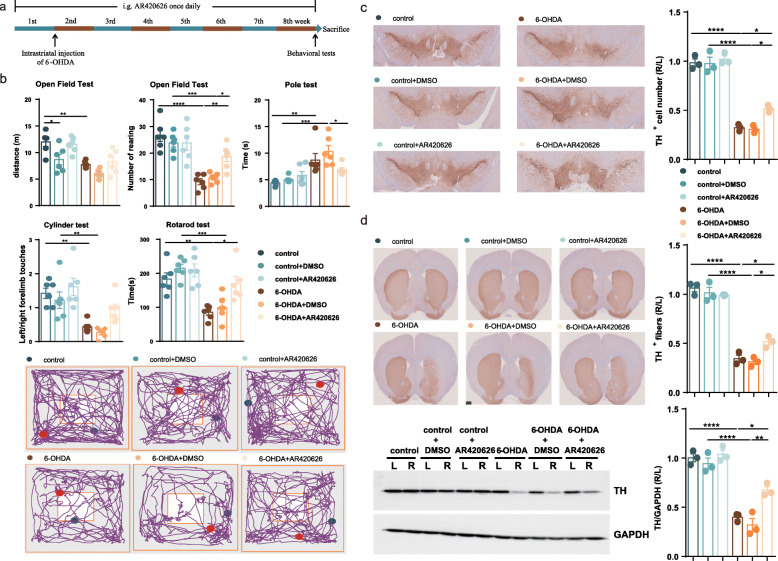
The intraperitoneal injection of OCN can effectively ameliorate the motor deficits and dopaminergic neuronal loss in a 6-hydroxydopamine-induced PD mouse model. The further antibiotics treatment and fecal microbiota transplantation experiments confirmed that the gut microbiota was required for OCN-induced protection in PD mice. OCN elevated Bacteroidetes and depleted Firmicutes phyla in the gut microbiota of PD mice with elevated potential of microbial propionate production and was confirmed by fecal propionate levels. Two months of orally administered propionate successfully rescued motor deficits and dopaminergic neuronal loss in PD mice. Furthermore, AR420626, the agonist of FFAR3, which is the receptor of propionate, mimicked the neuroprotective effects of propionate and the ablation of enteric neurons blocked the prevention of dopaminergic neuronal loss by propionate in PD mice.
Together, our results demonstrate that OCN ameliorates motor deficits and dopaminergic neuronal loss in PD mice, modulating gut microbiome and increasing propionate level might be an underlying mechanism responsible for the neuroprotective effects of OCN on PD, and the FFAR3, expressed in enteric nervous system, might be the main action site of propionate. Video abstract.
帕金森病(PD)是一种神经退行性疾病,目前尚无根治方法。肠道微生物群与 PD 发病机制相关的证据表明,需要确定某些源自肠道微生物群的特定分子,这些分子有可能用于治疗 PD。骨钙素(OCN)是一种成骨细胞分泌的蛋白,已被证明可以调节大脑功能。因此,研究 OCN 是否对 PD 具有保护作用,以及如果是,其潜在机制是否在于随后肠道微生物群的变化,这是很有意义的。
OCN 的腹腔注射可以有效改善 6-羟多巴胺诱导的 PD 小鼠模型中的运动障碍和多巴胺能神经元丢失。进一步的抗生素处理和粪便微生物群移植实验证实,肠道微生物群是 OCN 诱导 PD 小鼠保护作用所必需的。OCN 增加了 PD 小鼠肠道微生物群中的拟杆菌门和减少了厚壁菌门,增加了微生物丙酸产生的潜力,并通过粪便丙酸水平得到证实。两个月的口服丙酸成功挽救了 PD 小鼠的运动障碍和多巴胺能神经元丢失。此外,FFAR3 的激动剂 AR420626 模拟了丙酸的神经保护作用,而肠神经元的消融阻断了丙酸在 PD 小鼠中对多巴胺能神经元丢失的预防作用。
总之,我们的结果表明,OCN 改善了 PD 小鼠的运动障碍和多巴胺能神经元丢失,调节肠道微生物群和增加丙酸水平可能是 OCN 对 PD 具有神经保护作用的潜在机制,而 FFAR3,在肠神经系统中表达,可能是丙酸的主要作用部位。