Lin Sen, Singh Rajesh K, Navarre Duroy A
Irrigated Agriculture Research and Extension Center, Washington State University, Prosser, WA, USA.
Department of Biotechnology, CSIR-Institute of Himalayan Bioresource Technology, Palampur, Himachal Pradesh, 176061, India.
Hortic Res. 2021 Feb 1;8(1):25. doi: 10.1038/s41438-021-00463-9.
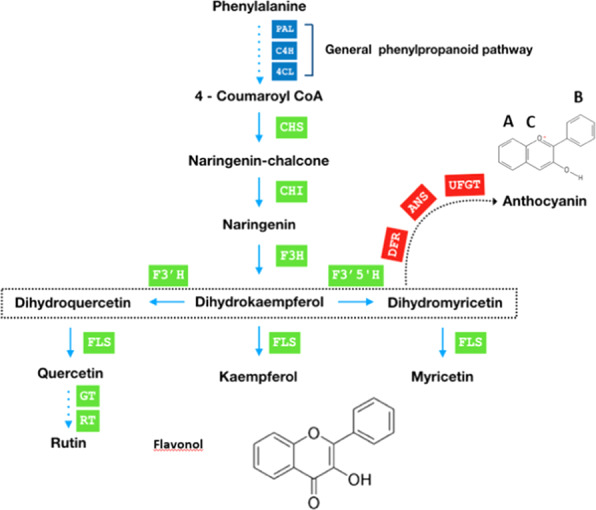
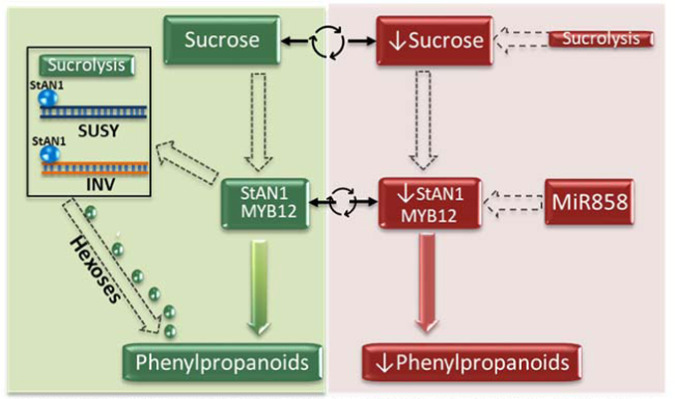
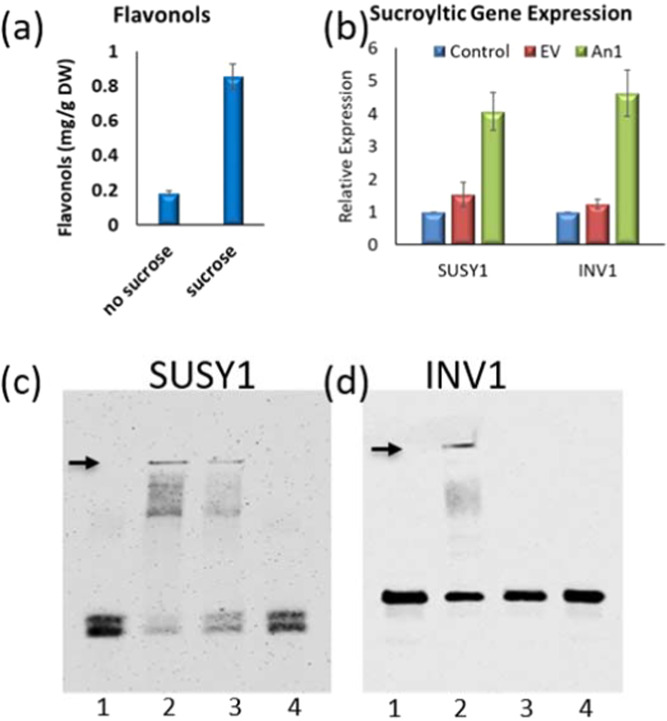
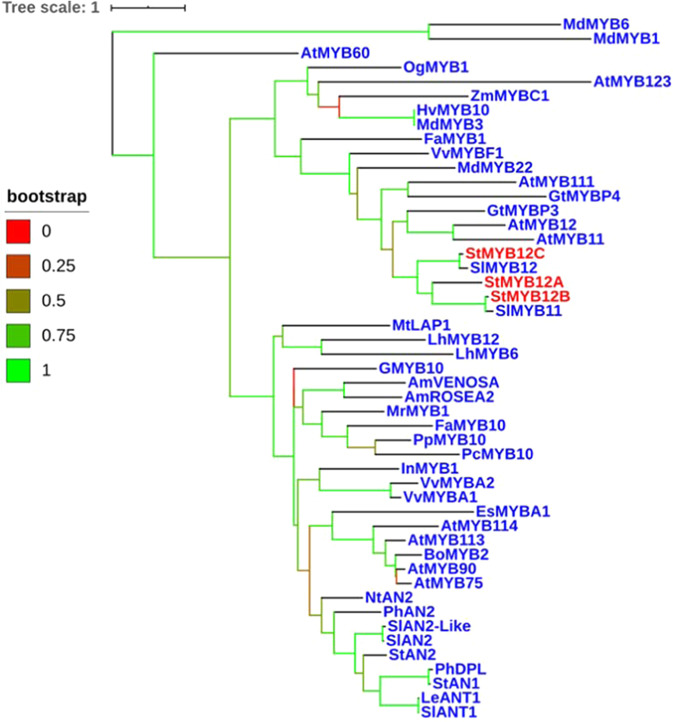
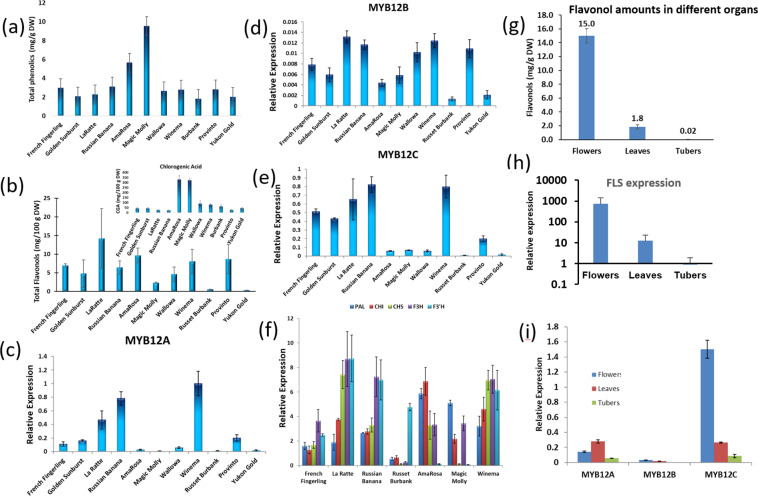
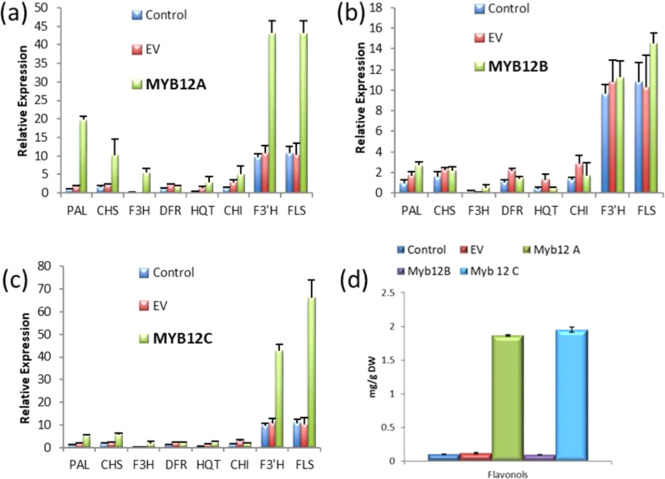
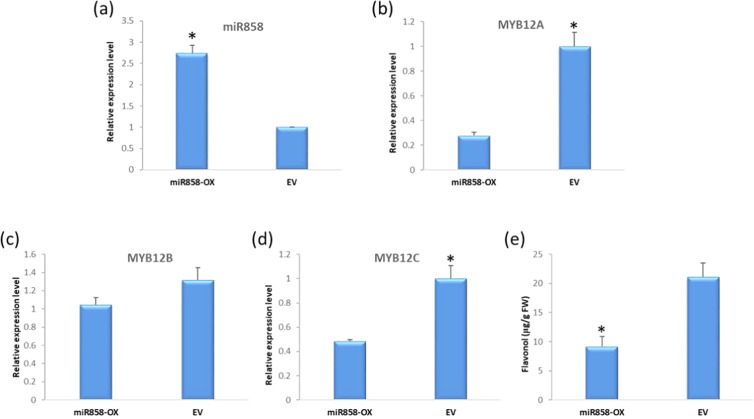
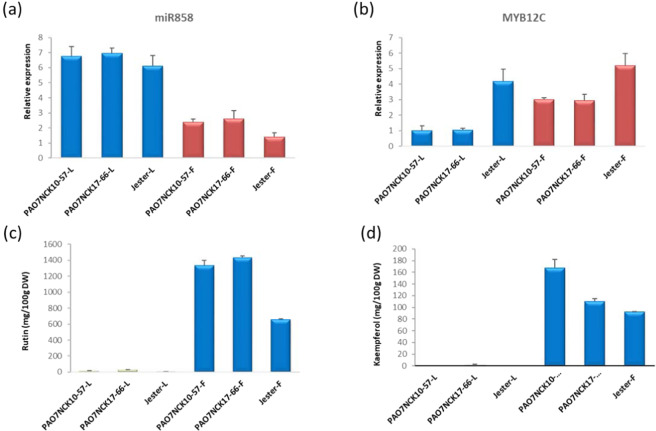
Flavonols and other phenylpropanoids protect plants from biotic and abiotic stress and are dietarily desirable because of their health-promoting properties. The ability to develop new potatoes (Solanum tuberosum) with optimal types and amounts of phenylpropanoids is limited by lack of knowledge about the regulatory mechanisms. Exogenous sucrose increased flavonols, whereas overexpression of the MYB StAN1 induced sucrolytic gene expression. Heterologous StAN1 protein bound promoter fragments from sucrolytic genes (SUSY1 and INV1). Two additional MYBs and one microRNA were identified that regulated potato flavonols. Overexpression analysis showed MYB12A and C increased amounts of flavonols and other phenylpropanoids. Endogenous flavonol amounts in light-exposed organs were much higher those in the dark. Expression levels of StMYB12A and C were high in flowers but low in tubers. Transient overexpression of miR858 altered potato flavonol metabolism. Endogenous StmiR858 expression was much lower in flowers than leaves and correlated with flavonol amounts in these organs. Collectively, these findings support the hypothesis that sucrose, MYBs, and miRNA control potato phenylpropanoid metabolism in a finely tuned manner that includes a feedback loop between sucrose and StAN1. These findings will aid in the development of potatoes with phenylpropanoid profiles optimized for crop performance and human health.
黄酮醇和其他苯丙烷类化合物可保护植物免受生物和非生物胁迫,并且由于其促进健康的特性而在饮食方面具有益处。由于缺乏对调控机制的了解,培育具有最佳类型和数量苯丙烷类化合物的新型马铃薯(Solanum tuberosum)的能力受到限制。外源蔗糖增加了黄酮醇的含量,而MYB StAN1的过表达诱导了蔗糖分解基因的表达。异源StAN1蛋白与蔗糖分解基因(SUSY1和INV1)的启动子片段结合。另外鉴定出两个MYB和一个microRNA,它们调控马铃薯黄酮醇。过表达分析表明,MYB12A和C增加了黄酮醇和其他苯丙烷类化合物的含量。暴露于光的器官中的内源黄酮醇含量远高于黑暗中的含量。StMYB12A和C的表达水平在花中较高,但在块茎中较低。miR858的瞬时过表达改变了马铃薯黄酮醇代谢。内源StmiR858在花中的表达远低于叶,并且与这些器官中的黄酮醇含量相关。总体而言,这些发现支持以下假设:蔗糖、MYB和miRNA以精细调节的方式控制马铃薯苯丙烷类代谢,其中包括蔗糖和StAN1之间的反馈回路。这些发现将有助于培育出具有针对作物性能和人类健康优化的苯丙烷类特征的马铃薯。