Chen Mengyin, Chen Siliang, Yang Dan, Zhou Jiawei, Liu Bao, Chen Yuexin, Ye Wei, Zhang Hui, Ji Lei, Zheng Yuehong
Department of Vascular Surgery, Peking Union Medical College Hospital, Chinese Academy of Medical Sciences and Peking Union Medical College, Beijing, China.
Department of Computational Biology and Bioinformatics, Institute of Medicinal Plant Development, Chinese Academy of Medical Sciences and Peking Union Medical College, Beijing, China.
Front Physiol. 2021 Feb 5;12:601952. doi: 10.3389/fphys.2021.601952. eCollection 2021.
Surface rupture of carotid plaque can cause severe cerebrovascular disease, including transient ischemic attack and stroke. The aim of this study was to elucidate the molecular mechanism governing carotid plaque progression and to provide candidate treatment targets for carotid atherosclerosis.
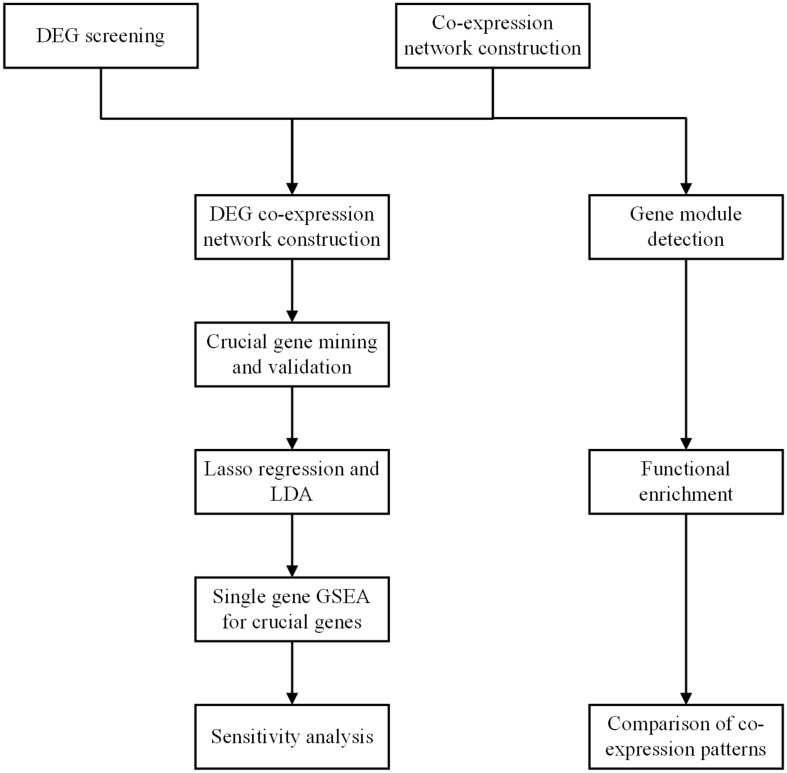
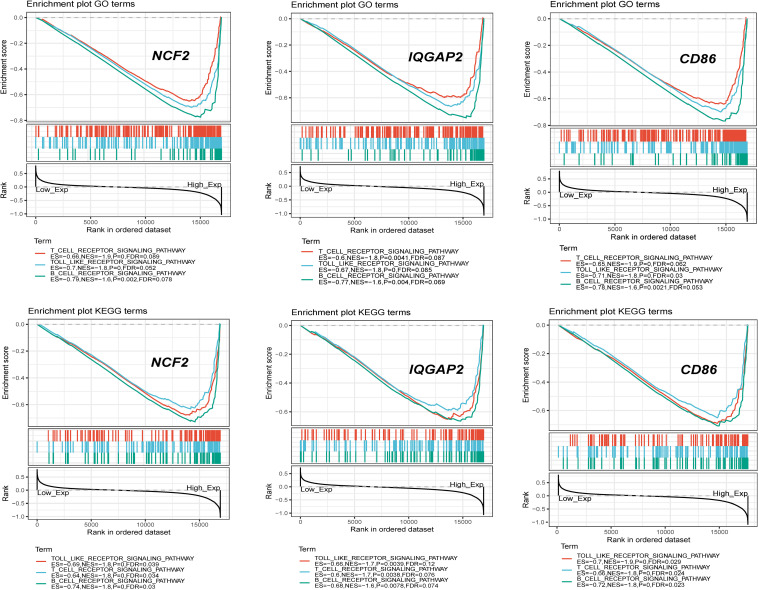
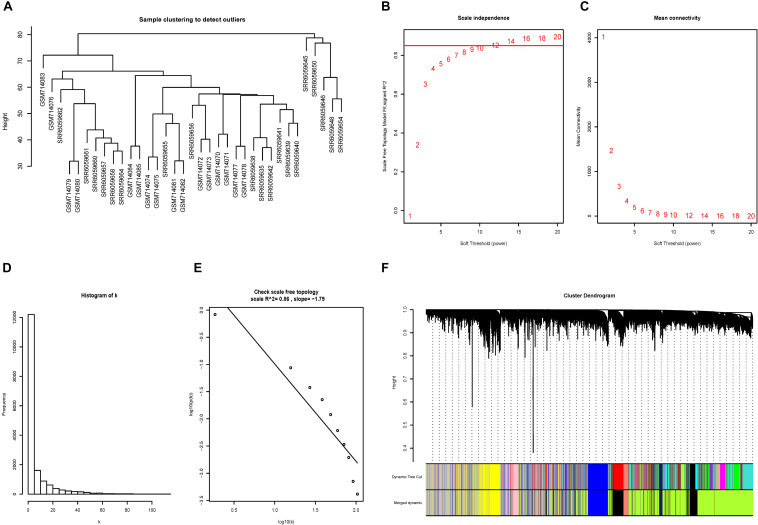
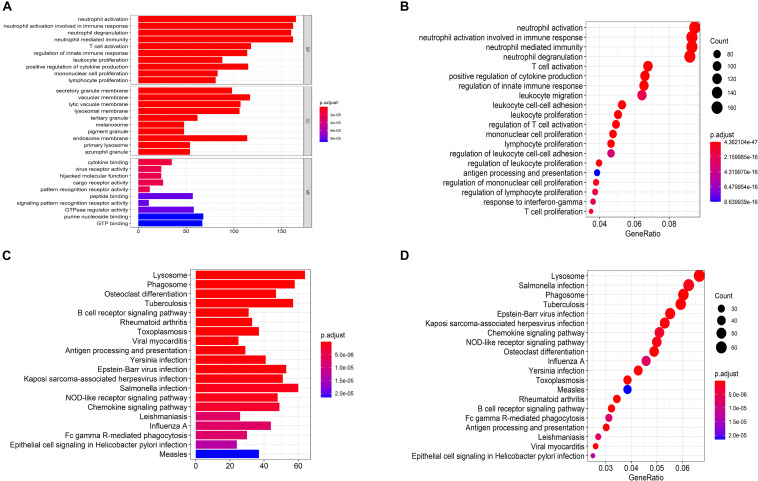
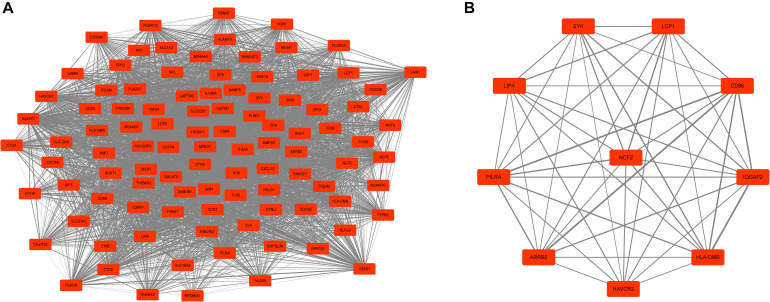
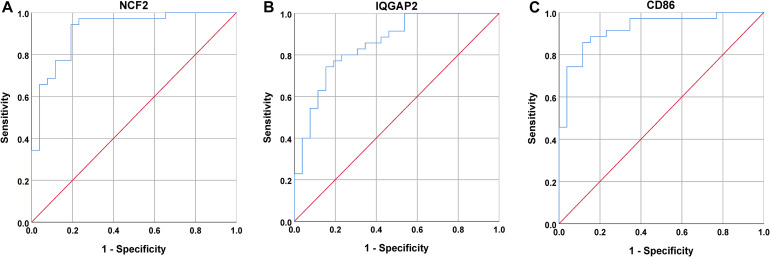
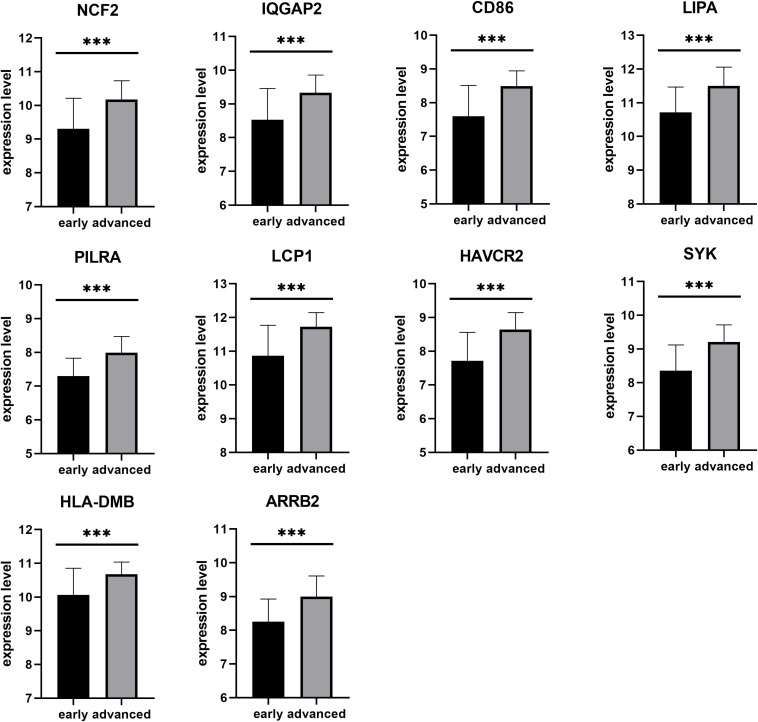
The microarray dataset GSE28829 and the RNA-seq dataset GSE104140, which contain advanced plaque and early plaque samples, were utilized in our analysis. Differentially expressed genes (DEGs) were screened using the "limma" R package. Gene modules for both early and advanced plaques were identified based on co-expression networks constructed by weighted gene co-expression network analysis (WGCNA). Gene Ontology (GO) and Kyoto Encyclopedia of Genes Genomes (KEGG) analyses were employed in each module. In addition, hub genes for each module were identified. Crucial genes were identified by molecular complex detection (MCODE) based on the DEG co-expression network and were validated by the GSE43292 dataset. Gene set enrichment analysis (GSEA) for crucial genes was performed. Sensitivity analysis was performed to evaluate the robustness of the networks that we constructed.
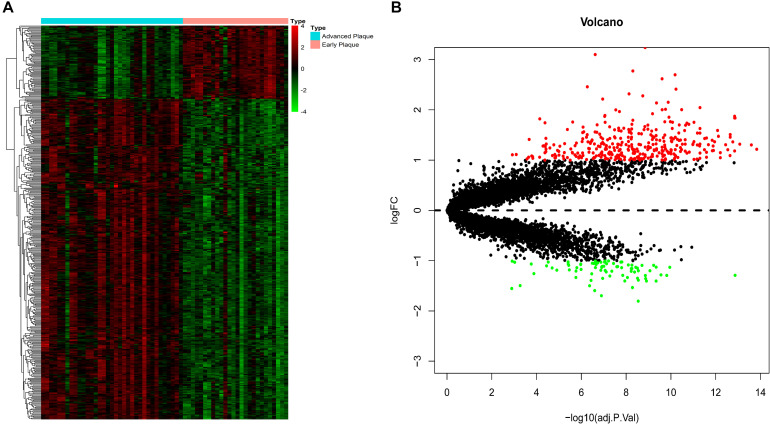
A total of 436 DEGs were screened, of which 335 were up-regulated and 81 were down-regulated. The pathways related to inflammation and immune response were determined to be concentrated in the black module of the advanced plaques. The hub gene of the black module was (Rho GTPase activating protein 18). (neutrophil cytosolic factor 2), (IQ motif containing GTPase activating protein 2) and (CD86 molecule) had the highest connectivity among the crucial genes. All crucial genes were validated successfully, and sensitivity analysis demonstrated that our results were reliable.
To the best of our knowledge, this study is the first to combine DEGs and WGCNA to establish a DEG co-expression network in carotid plaques, and it proposes potential therapeutic targets for carotid atherosclerosis.
颈动脉斑块表面破裂可导致严重的脑血管疾病,包括短暂性脑缺血发作和中风。本研究的目的是阐明颈动脉斑块进展的分子机制,并为颈动脉粥样硬化提供候选治疗靶点。
我们的分析使用了包含晚期斑块和早期斑块样本的微阵列数据集GSE28829和RNA测序数据集GSE104140。使用“limma”R包筛选差异表达基因(DEG)。基于加权基因共表达网络分析(WGCNA)构建的共表达网络,确定早期和晚期斑块的基因模块。每个模块都进行了基因本体(GO)和京都基因与基因组百科全书(KEGG)分析。此外,确定了每个模块的枢纽基因。基于DEG共表达网络通过分子复合物检测(MCODE)确定关键基因,并通过GSE43292数据集进行验证。对关键基因进行基因集富集分析(GSEA)。进行敏感性分析以评估我们构建的网络的稳健性。
共筛选出436个DEG,其中335个上调,81个下调。与炎症和免疫反应相关的通路集中在晚期斑块的黑色模块中。黑色模块的枢纽基因是(Rho GTPase激活蛋白18)。(中性粒细胞胞质因子2)、(含IQ基序的GTPase激活蛋白2)和(CD86分子)在关键基因中具有最高的连通性。所有关键基因均成功验证,敏感性分析表明我们的结果可靠。
据我们所知,本研究首次将DEG和WGCNA结合起来建立颈动脉斑块中的DEG共表达网络,并提出了颈动脉粥样硬化的潜在治疗靶点。