Anastasio Albert Thomas, Paniagua Ariana, Diamond Carrie, Ferlauto Harrison R, Fernandez-Moure Joseph S
Duke University Health System, Durham, NC, United States.
Duke University School of Medicine, Durham, NC, United States.
Front Bioeng Biotechnol. 2021 Jan 18;8:592008. doi: 10.3389/fbioe.2020.592008. eCollection 2020.
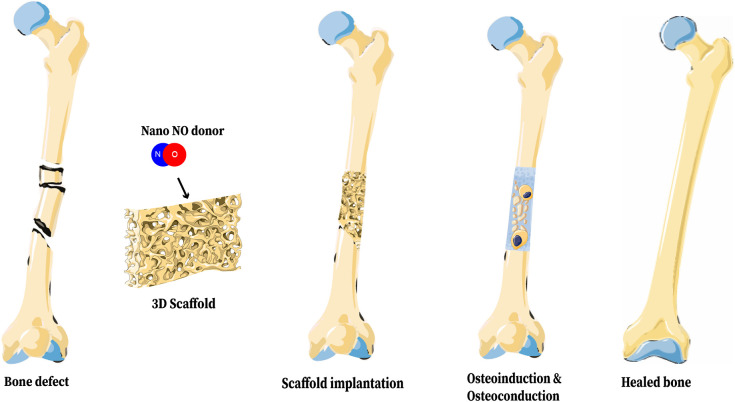
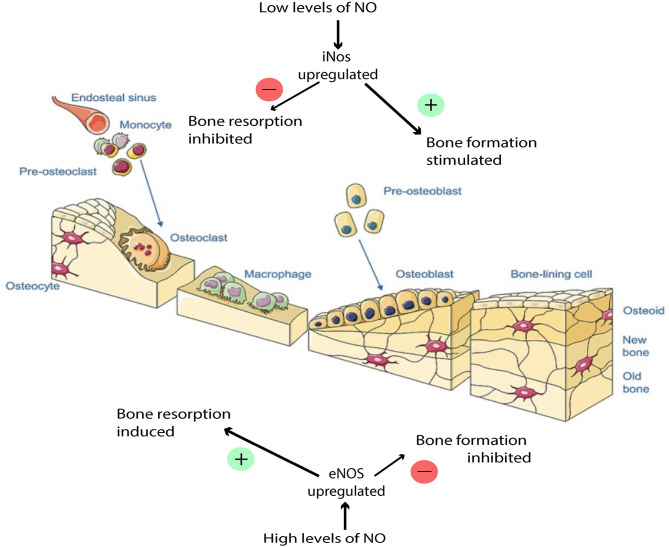
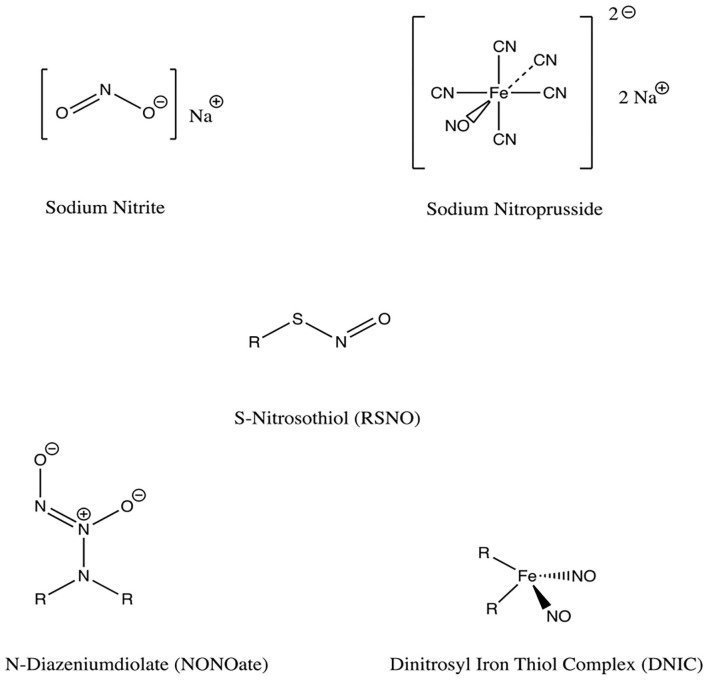
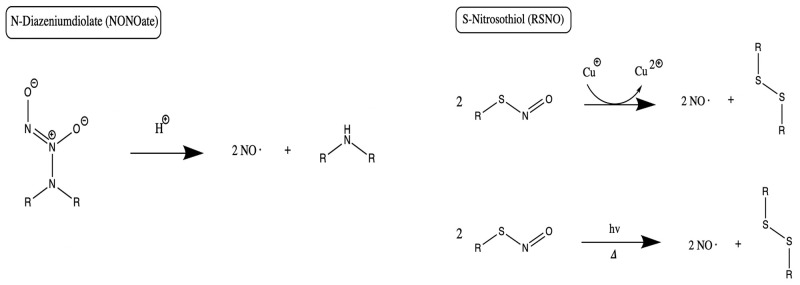
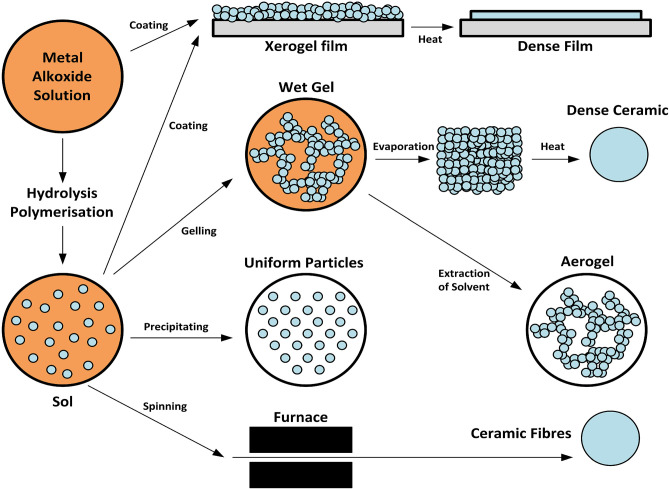
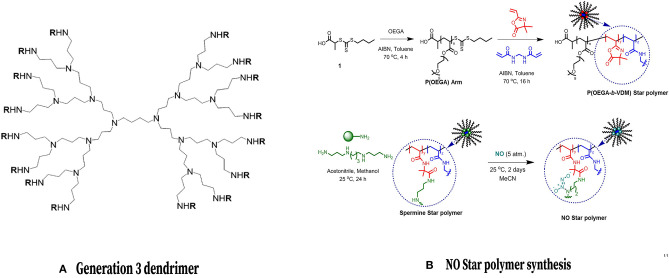
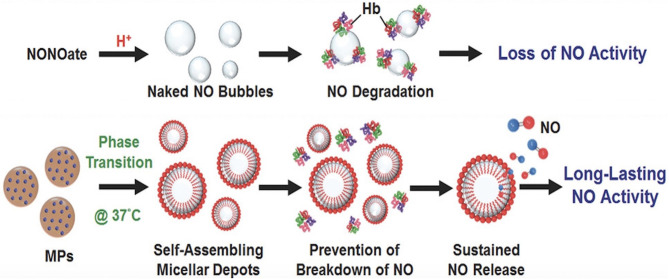
Achieving bone fracture union after trauma represents a major challenge for the orthopedic surgeon. Fracture non-healing has a multifactorial etiology and there are many risk factors for non-fusion. Environmental factors such as wound contamination, infection, and open fractures can contribute to non-healing, as can patient specific factors such as poor vascular status and improper immunologic response to fracture. Nitric oxide (NO) is a small, neutral, hydrophobic, highly reactive free radical that can diffuse across local cell membranes and exert paracrine functions in the vascular wall. This molecule plays a role in many biologic pathways, and participates in wound healing through decontamination, mediating inflammation, angiogenesis, and tissue remodeling. Additionally, NO is thought to play a role in fighting wound infection by mitigating growth of both Gram negative and Gram positive pathogens. Herein, we discuss recent developments in NO delivery mechanisms and potential implications for patients with bone fractures. NO donors are functional groups that store and release NO, independent of the enzymatic actions of NOS. Donor molecules include organic nitrates/nitrites, metal-NO complexes, and low molecular weight NO donors such as NONOates. Numerous advancements have also been made in developing mechanisms for localized nanomaterial delivery of nitric oxide to bone. NO-releasing aerogels, sol- gel derived nanomaterials, dendrimers, NO-releasing micelles, and core cross linked star (CCS) polymers are all discussed as potential avenues of NO delivery to bone. As a further target for improved fracture healing, 3d bone scaffolds have been developed to include potential for nanoparticulated NO release. These advancements are discussed in detail, and their potential therapeutic advantages are explored. This review aims to provide valuable insight for translational researchers who wish to improve the armamentarium of the feature trauma surgeon through use of NO mediated augmentation of bone healing.
创伤后实现骨折愈合是骨科医生面临的一项重大挑战。骨折不愈合的病因是多因素的,且存在许多影响骨融合的风险因素。诸如伤口污染、感染和开放性骨折等环境因素可导致骨折不愈合,患者特异性因素如血管状况差和对骨折的免疫反应不当也会如此。一氧化氮(NO)是一种小分子、中性、疏水、高反应性的自由基,可穿过局部细胞膜并在血管壁中发挥旁分泌功能。该分子在许多生物学途径中发挥作用,并通过去污、介导炎症、血管生成和组织重塑参与伤口愈合。此外,NO被认为通过减轻革兰氏阴性和革兰氏阳性病原体的生长在对抗伤口感染中发挥作用。在此,我们讨论NO递送机制的最新进展以及对骨折患者的潜在影响。NO供体是储存和释放NO的官能团,独立于一氧化氮合酶(NOS)的酶促作用。供体分子包括有机硝酸盐/亚硝酸盐、金属 - NO配合物以及低分子量的NO供体,如NONOates。在开发将一氧化氮局部纳米材料递送至骨骼的机制方面也取得了许多进展。释放NO的气凝胶、溶胶 - 凝胶衍生的纳米材料、树枝状大分子、释放NO的胶束和核交联星型(CCS)聚合物都作为将NO递送至骨骼的潜在途径进行了讨论。作为改善骨折愈合的进一步目标,已开发出3D骨支架以具备纳米颗粒状NO释放的潜力。这些进展将进行详细讨论,并探索其潜在的治疗优势。本综述旨在为转化研究人员提供有价值的见解,这些研究人员希望通过使用NO介导的增强骨愈合来改善创伤外科医生的治疗手段。