Gulin-Sarfraz Tina, Kalantzopoulos Georgios N, Kvalvåg Pettersen Marit, Wold Åsli Anette, Tho Ingunn, Axelsson Lars, Sarfraz Jawad
Nofima-Norwegian Institute of Food, Fisheries and Aquaculture Research, P.O. Box 210, NO-1431 Ås, Norway.
Center for Materials Science and Nanotechnology (SMN), Department of Chemistry, University of Oslo, P.O. Box 1033, Blindern, NO-0315 Oslo, Norway.
Nanomaterials (Basel). 2021 Feb 2;11(2):379. doi: 10.3390/nano11020379.
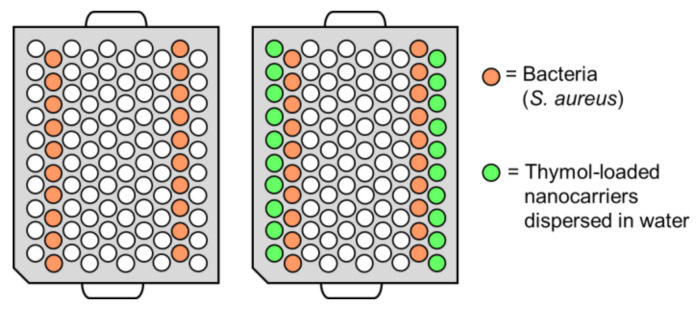
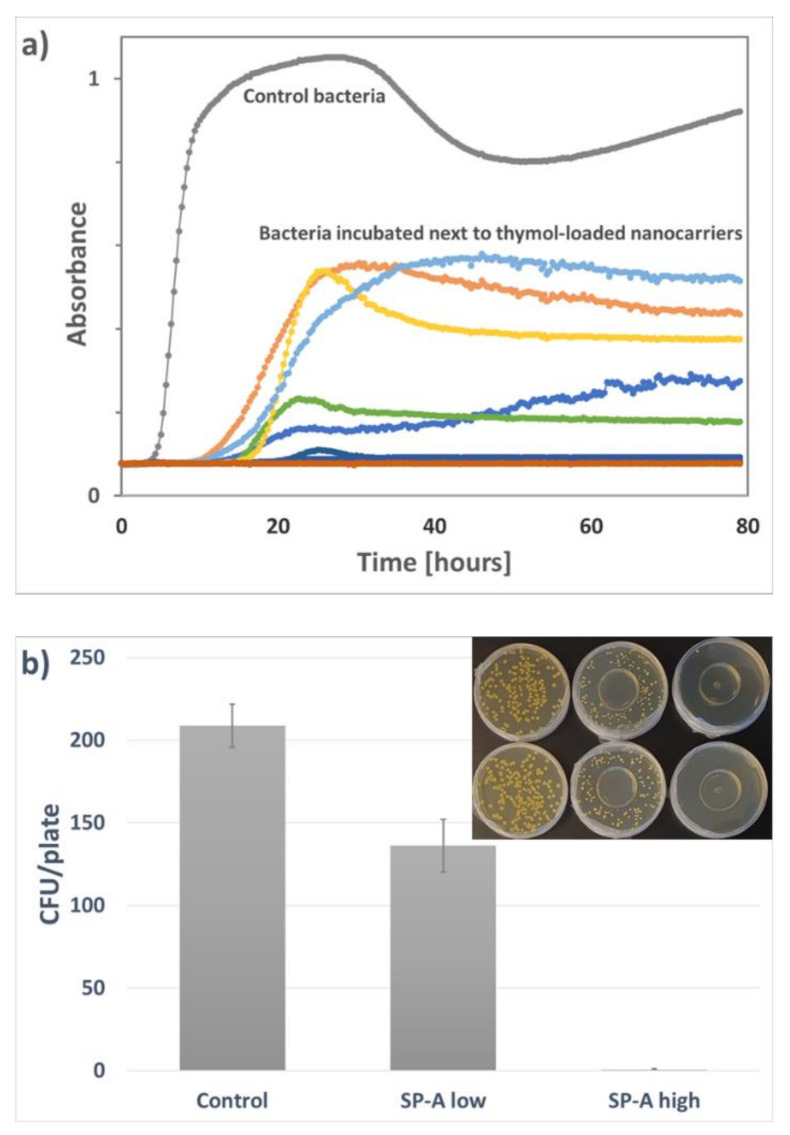
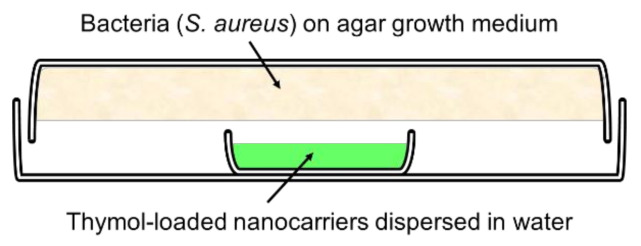
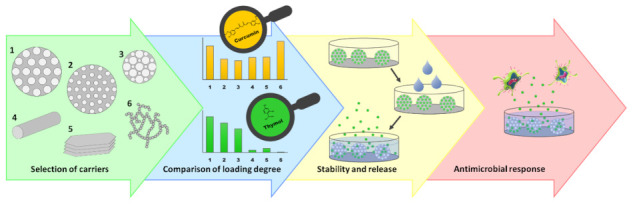
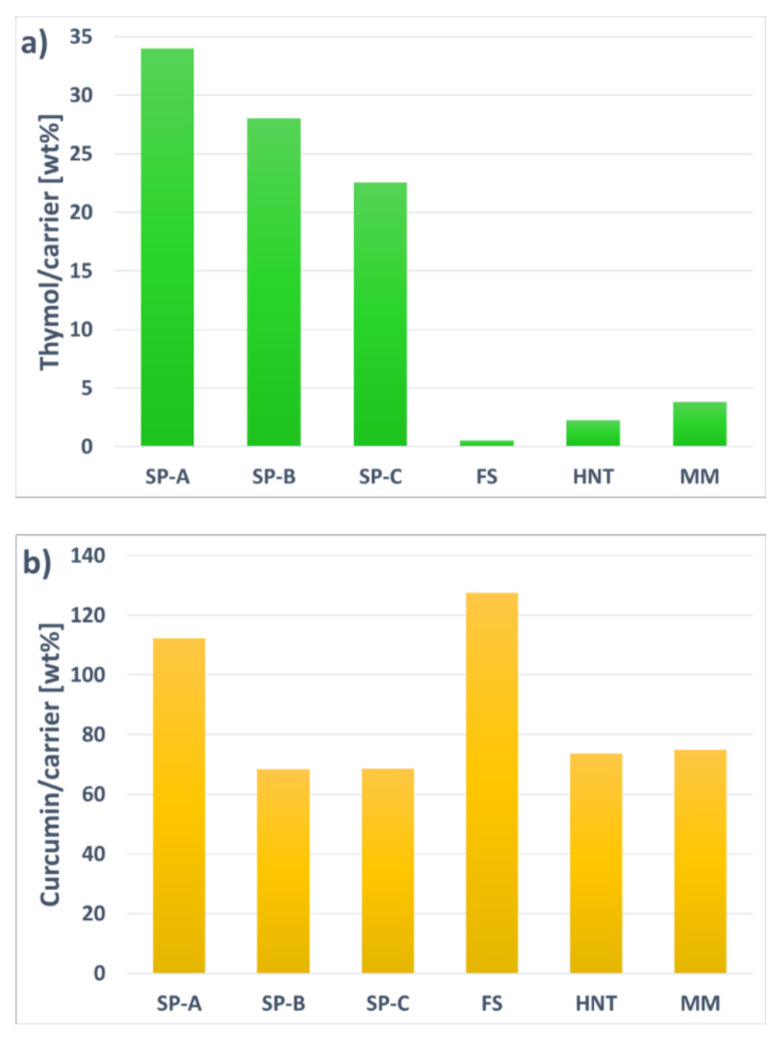
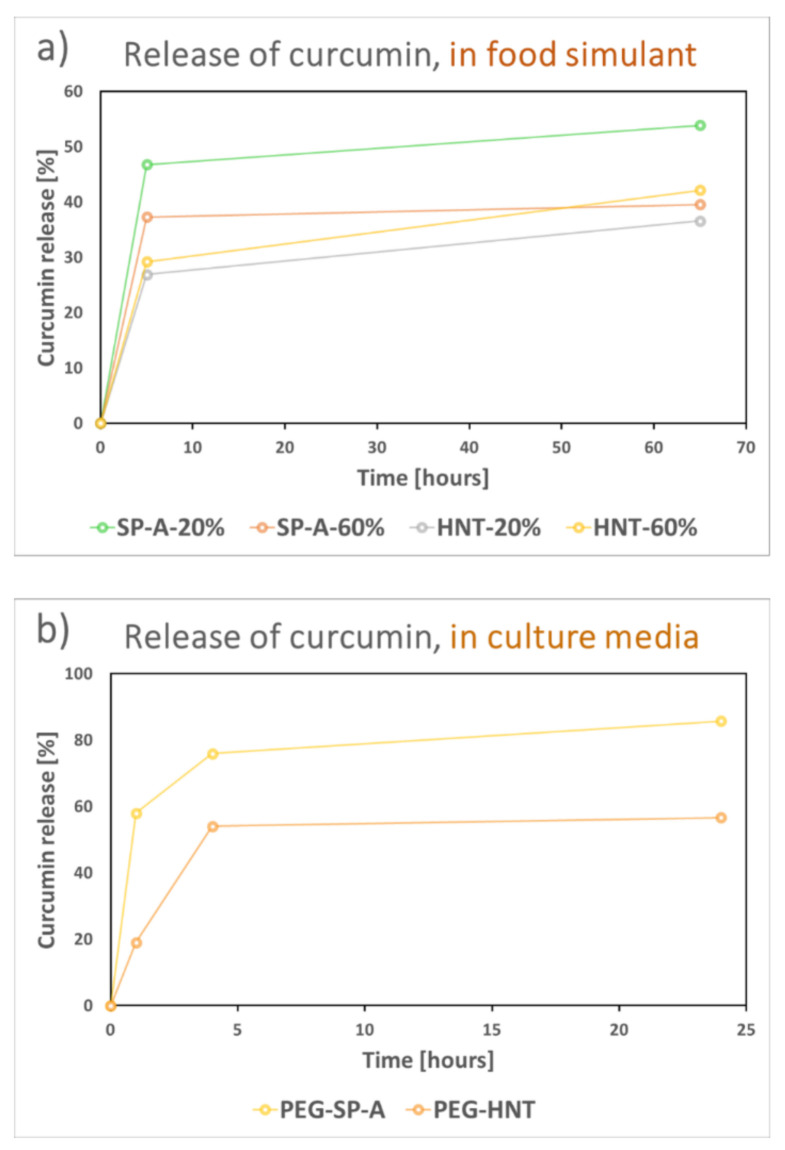
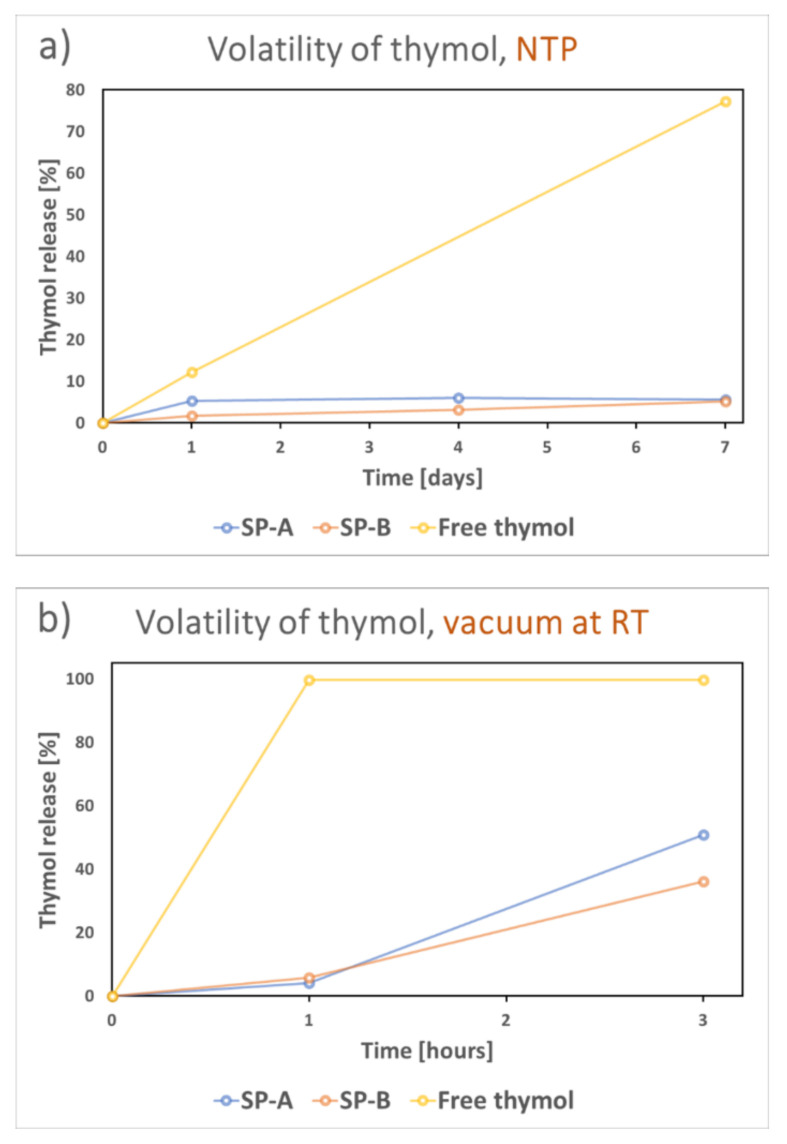
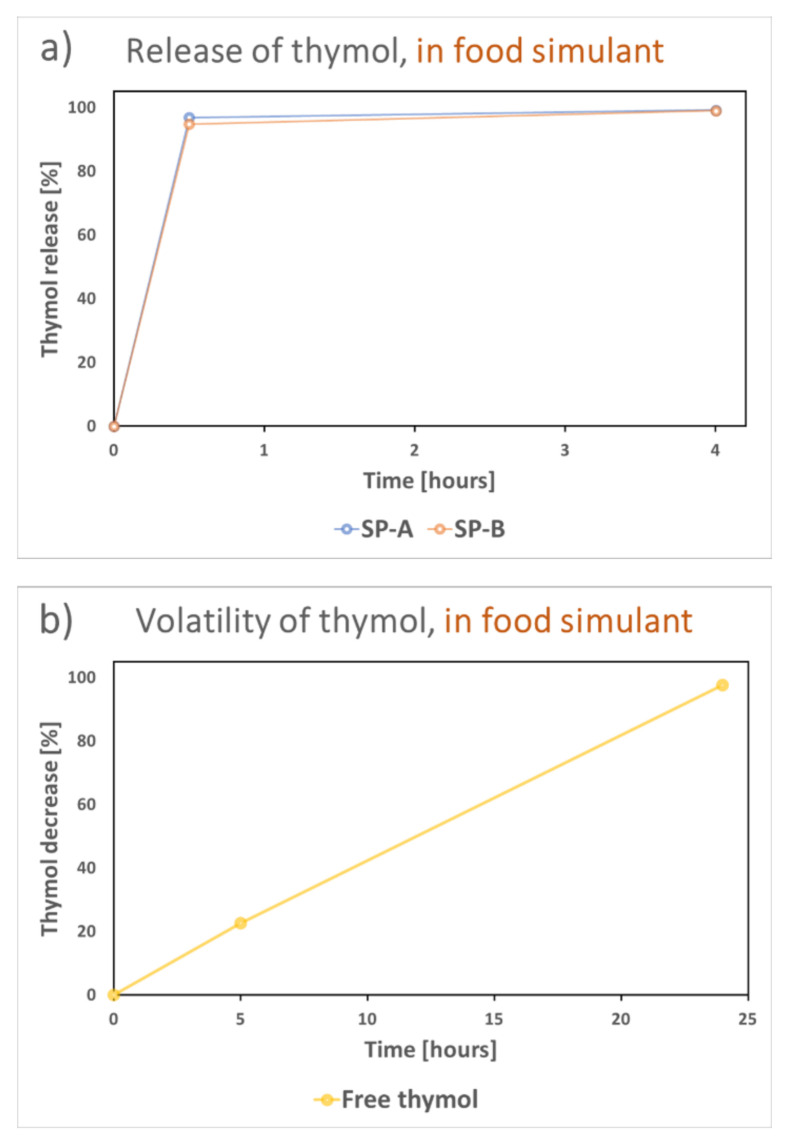
Design and development of novel inorganic nanocarriers for encapsulation of natural antimicrobial substances for food packaging applications have received great interest during the last years. Natural nanoclays are the most investigated nanocarriers and recently interest has also grown in the synthetically produced porous silica particles. However, these different carrier matrices have not been compared in terms of their loading capability and subsequent release. In this study, the feasibility of porous silica particles (with different pore structures and/or surface functionalities) and commercially available nanoclays were evaluated as encapsulation matrices. Two well-studied antimicrobial substances, thymol and curcumin, were chosen as volatile and non-volatile model compounds, respectively. The encapsulation efficiency, and the subsequent dispersibility and release, of these substances differed significantly among the nanocarriers. Encapsulation of the volatile compound highly depends on the inner surface area, i.e., the protective pore environment, and an optimal nanocarrier can protect the encapsulated thymol from volatilization. For the non-volatile compound, only the release rate and dispersibility are affected by the pore structure. Further, water-activated release of the volatile compound was demonstrated and exhibited good antimicrobial efficacy in the vapor phase against . This comparative study can provide a base for selecting the right nanocarrier aimed at a specific food packaging application. No nanocarrier can be considered as a universally applicable one.
在过去几年中,用于食品包装应用的新型无机纳米载体的设计与开发受到了极大关注,这些纳米载体用于封装天然抗菌物质。天然纳米黏土是研究最多的纳米载体,最近人们对合成生产的多孔二氧化硅颗粒的兴趣也在增加。然而,这些不同的载体基质在负载能力和后续释放方面尚未进行比较。在本研究中,评估了多孔二氧化硅颗粒(具有不同的孔结构和/或表面功能)和市售纳米黏土作为封装基质的可行性。分别选择了两种经过充分研究的抗菌物质百里香酚和姜黄素作为挥发性和非挥发性模型化合物。这些物质在纳米载体中的封装效率、随后的分散性和释放情况存在显著差异。挥发性化合物的封装高度依赖于内表面积,即保护性的孔环境,并且最佳的纳米载体可以保护封装的百里香酚不挥发。对于非挥发性化合物,只有释放速率和分散性受孔结构影响。此外,还证明了挥发性化合物的水激活释放,并在气相中对……表现出良好的抗菌效果。这项比较研究可为针对特定食品包装应用选择合适的纳米载体提供依据。没有一种纳米载体可以被认为是普遍适用的。