Woo JunHyuk, Cho Hyesun, Seol YunHee, Kim Soon Ho, Park Chanhyeok, Yousefian-Jazi Ali, Hyeon Seung Jae, Lee Junghee, Ryu Hoon
Brain Science Institute, Korea Institute of Science and Technology, Seoul 02792, Korea.
Department of Physics and Astronomy and Center for Theoretical Physics, Seoul National University, Seoul 08826, Korea.
Antioxidants (Basel). 2021 Feb 3;10(2):229. doi: 10.3390/antiox10020229.
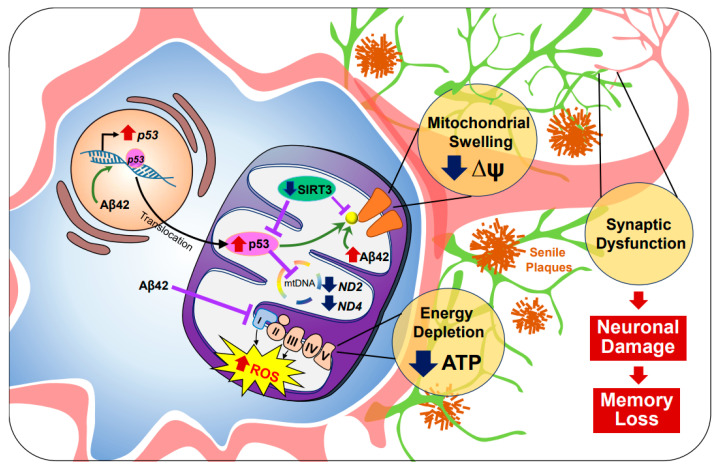
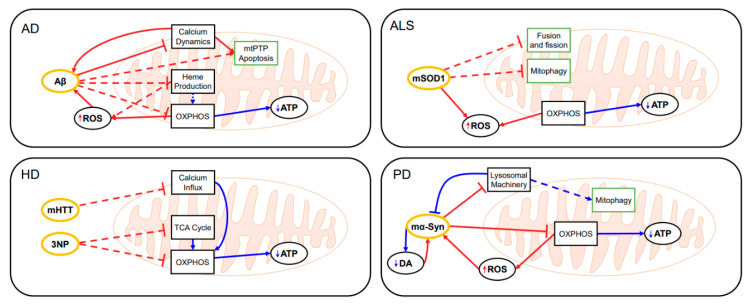
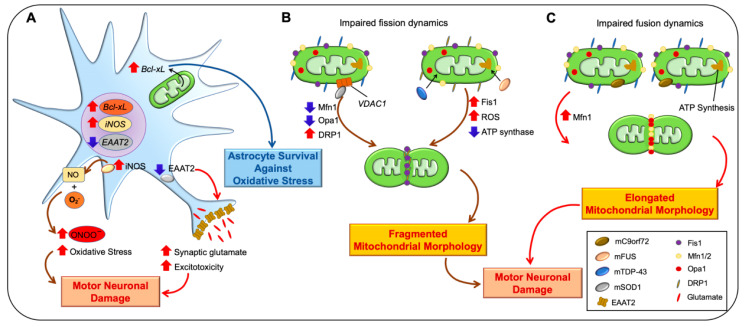
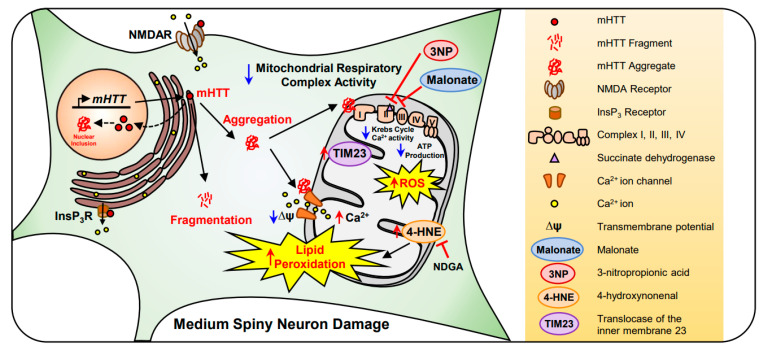
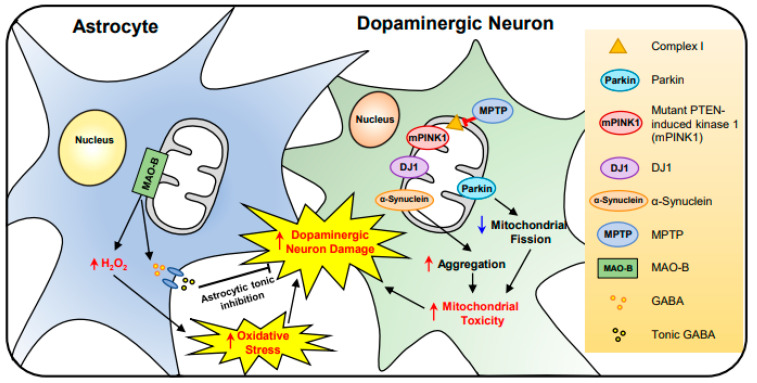
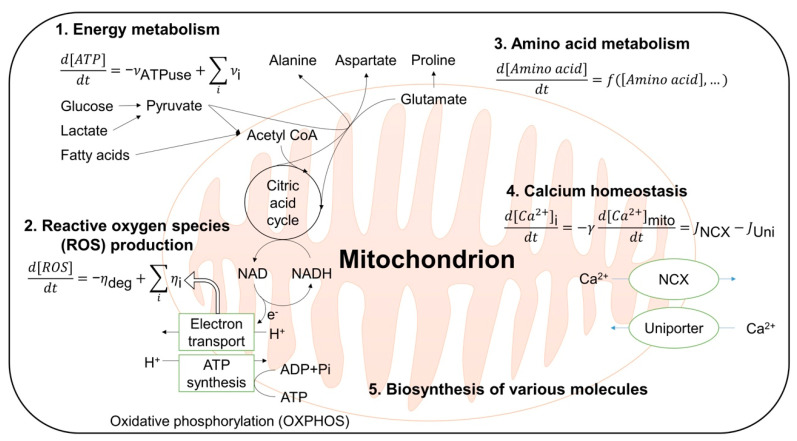
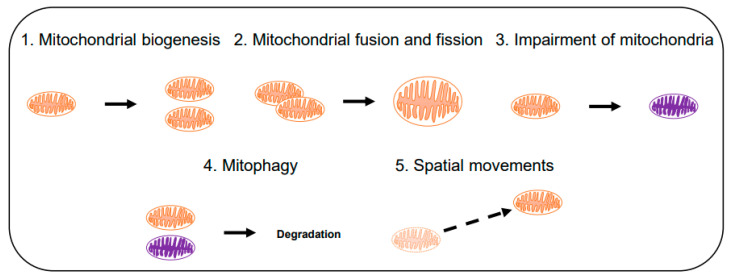
The brain needs more energy than other organs in the body. Mitochondria are the generator of vital power in the living organism. Not only do mitochondria sense signals from the outside of a cell, but they also orchestrate the cascade of subcellular events by supplying adenosine-5'-triphosphate (ATP), the biochemical energy. It is known that impaired mitochondrial function and oxidative stress contribute or lead to neuronal damage and degeneration of the brain. This mini-review focuses on addressing how mitochondrial dysfunction and oxidative stress are associated with the pathogenesis of neurodegenerative disorders including Alzheimer's disease, amyotrophic lateral sclerosis, Huntington's disease, and Parkinson's disease. In addition, we discuss state-of-the-art computational models of mitochondrial functions in relation to oxidative stress and neurodegeneration. Together, a better understanding of brain disease-specific mitochondrial dysfunction and oxidative stress can pave the way to developing antioxidant therapeutic strategies to ameliorate neuronal activity and prevent neurodegeneration.
大脑比身体其他器官需要更多能量。线粒体是活生物体中至关重要的能量产生者。线粒体不仅能感知细胞外部的信号,还能通过提供生化能量三磷酸腺苷(ATP)来协调一系列亚细胞事件。众所周知,线粒体功能受损和氧化应激会导致或引发大脑神经元损伤和退化。本综述聚焦于探讨线粒体功能障碍和氧化应激如何与包括阿尔茨海默病、肌萎缩侧索硬化症、亨廷顿舞蹈病和帕金森病在内的神经退行性疾病的发病机制相关联。此外,我们还讨论了与氧化应激和神经退行性变相关的线粒体功能的前沿计算模型。综合来看,更好地理解特定于脑部疾病的线粒体功能障碍和氧化应激可为开发抗氧化治疗策略以改善神经元活性和预防神经退行性变铺平道路。