Unit of Microbiome Science and Biotechnology, Department of Pharmacy and Biotechnology, University of Bologna, Via Belmeloro 6, Bologna, Italy.
Department of Geography and History, University of La Laguna, Campus de Guajara, La Laguna, Tenerife, Spain.
Commun Biol. 2021 Feb 5;4(1):169. doi: 10.1038/s42003-021-01689-y.
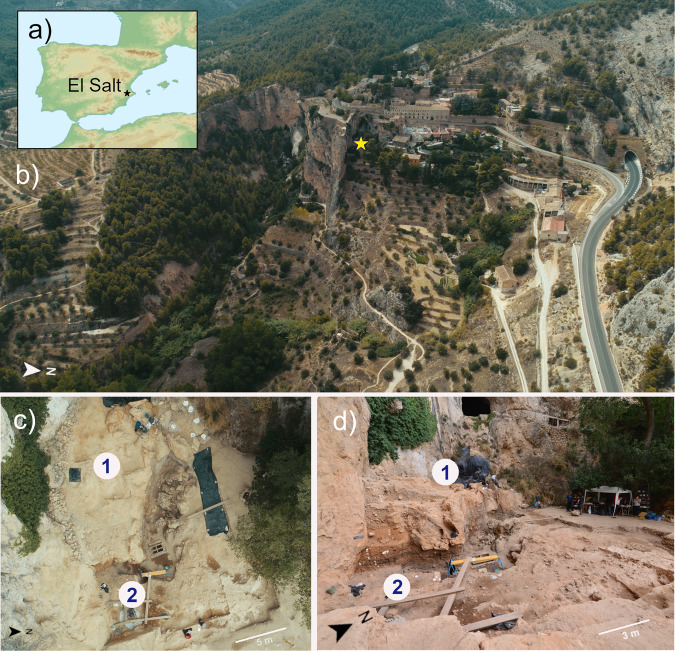
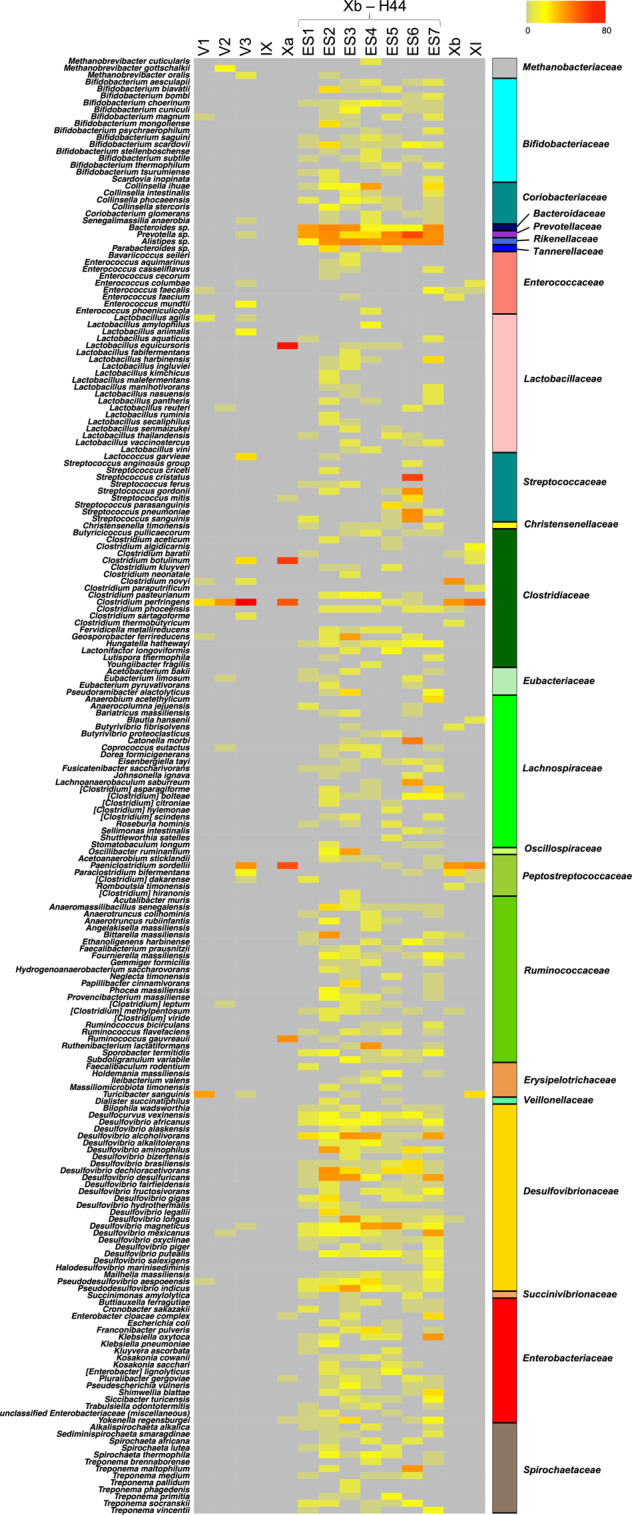
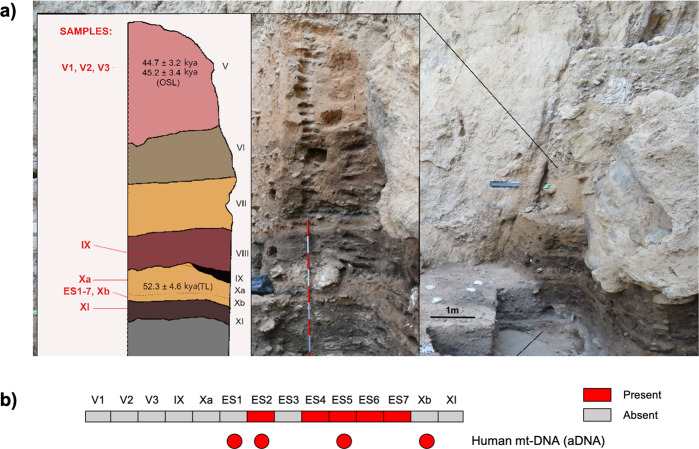
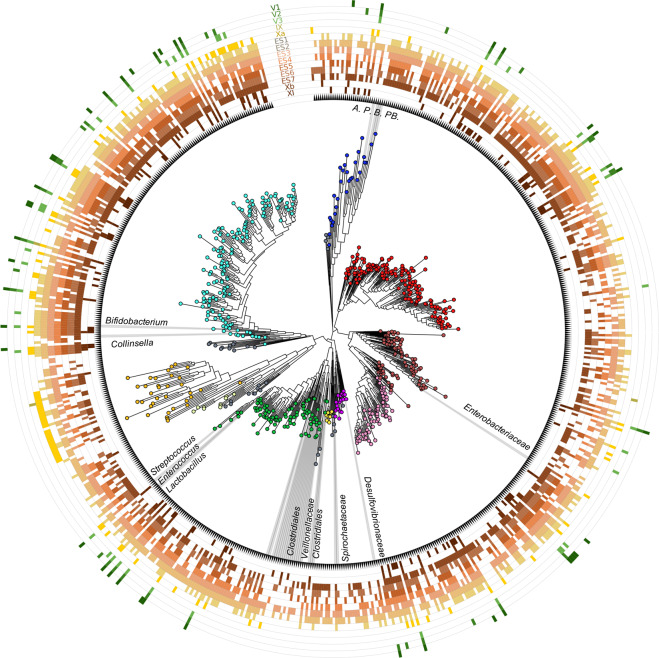
A comprehensive view of our evolutionary history cannot ignore the ancestral features of our gut microbiota. To provide some glimpse into the past, we searched for human gut microbiome components in ancient DNA from 14 archeological sediments spanning four stratigraphic units of El Salt Middle Paleolithic site (Spain), including layers of unit X, which has yielded well-preserved Neanderthal occupation deposits dating around 50 kya. According to our findings, bacterial genera belonging to families known to be part of the modern human gut microbiome are abundantly represented only across unit X samples, showing that well-known beneficial gut commensals, such as Blautia, Dorea, Roseburia, Ruminococcus, Faecalibacterium and Bifidobacterium already populated the intestinal microbiome of Homo since as far back as the last common ancestor between humans and Neanderthals.
从进化历史的整体角度来看,我们不能忽视肠道微生物群的祖先特征。为了了解过去,我们在来自西班牙 El Salt 中石器时代遗址的 14 个考古沉积物的古 DNA 中寻找人类肠道微生物组的组成部分,包括单元 X 的层,该层提供了保存完好的大约 5 万年前尼安德特人居住的沉积物。根据我们的发现,属于已知是现代人类肠道微生物组一部分的科的细菌属仅在单元 X 样本中大量存在,这表明众所周知的有益肠道共生菌,如布劳特氏菌、多雷亚菌、玫瑰杆菌、瘤胃球菌、粪杆菌和双歧杆菌,早在人类与尼安德特人的最后共同祖先时期就已经存在于人类的肠道微生物组中。