Shirvani-Rad Salman, Tabatabaei-Malazy Ozra, Mohseni Shahrzad, Hasani-Ranjbar Shirin, Soroush Ahmad-Reza, Hoseini-Tavassol Zahra, Ejtahed Hanieh-Sadat, Larijani Bagher
Obesity and Eating Habits Research Center, Endocrinology and Metabolism Clinical Sciences Institute, Tehran University of Medical Sciences, Tehran, Iran.
Non-Communicable Diseases Research Center, Endocrinology and Metabolism Population Sciences Institute, Tehran University of Medical Sciences, Tehran, Iran.
Evid Based Complement Alternat Med. 2021 Jan 22;2021:6688450. doi: 10.1155/2021/6688450. eCollection 2021.
Considering the observed role of probiotics in modulating gut microbiome, probiotics are discussed to be one potential complementary therapy for obesity management in recent years. The aim of the present study was to systematically review the meta-analyses of controlled trials and investigate the effects of probiotics on obesity.
A comprehensive search was conducted on PubMed, Web of Science, and Cochrane Library web databases up to May 2020. Inclusion criteria were meta-analyses of controlled trials which evaluated the impact of probiotics on obesity in English language. Meta-analyses done on pregnant women, children, animal studies, or the effect of prebiotics on anthropometric indices were excluded.
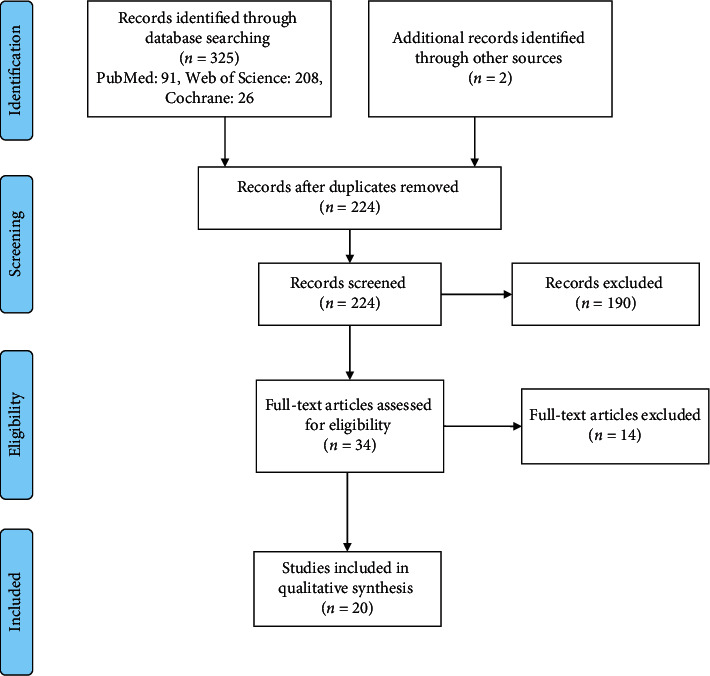
Within 325 recorded studies, 20 studies met the inclusion criteria consisting of 16676 overweight/obese adults with different underlying disorders such as nonalcoholic fatty liver disease (NAFLD), or polycystic ovary syndrome (PCOS). The length of intervention varied from 2 to 26 weeks. Results of meta-analyses have shown a moderate effect of probiotics on body weight in overweight/obese adults: from -0.526 kg/m (95% CI: -0.810, -0.247) to -0.25 kg/m (95% CI: -0.33, -0.17). Body mass index (BMI) was changed from -1.46 kg/m (95% CI: -2.44, -0.48) to -1.08 kg/m (95% CI: -2.05, -0.11) in NAFLD. Probiotics could reduce BMI from -0.36 kg/m (95% CI: -0.74, 0.02) to -0.29 kg/m (95% CI: -0.54, -0.03) in patients with PCOS.
It seems that the probiotic products could have beneficial effects as an adjunct therapy for care and management of obesity when used in high dose. However, due to heterogeneity of included studies, it is required to confirm our results by more meta-analyses of clinical trials.
鉴于已观察到益生菌在调节肠道微生物群方面的作用,近年来,益生菌被认为是肥胖管理的一种潜在辅助疗法。本研究的目的是系统回顾对照试验的荟萃分析,并研究益生菌对肥胖的影响。
截至2020年5月,在PubMed、科学网和考克兰图书馆网络数据库上进行了全面检索。纳入标准为对照试验的荟萃分析,这些分析用英文评估了益生菌对肥胖的影响。排除对孕妇、儿童、动物研究或益生元对人体测量指标影响的荟萃分析。
在325项记录的研究中,20项研究符合纳入标准,包括16676名患有不同潜在疾病的超重/肥胖成年人,如非酒精性脂肪性肝病(NAFLD)或多囊卵巢综合征(PCOS)。干预时间从2周到26周不等。荟萃分析结果显示,益生菌对超重/肥胖成年人的体重有中度影响:从-0.526kg/m(95%CI:-0.810,-0.247)到-0.25kg/m(95%CI:-0.33,-0.17)。在NAFLD中,体重指数(BMI)从-1.46kg/m(95%CI:-2.44,-0.48)变为-1.08kg/m(95%CI:-2.05,-0.11)。益生菌可使PCOS患者的BMI从-0.36kg/m(95%CI:-0.74,0.02)降至-0.29kg/m(95%CI:-0.54,-0.03)。
高剂量使用时,益生菌产品似乎作为肥胖护理和管理的辅助疗法可能具有有益效果。然而,由于纳入研究的异质性,需要通过更多的临床试验荟萃分析来证实我们的结果。