Larrabee Sonderlund Anders, Schoenthaler Antoinette, Thilsing Trine
Department of Public Health, University of Southern Denmark, 5230 Odense, Denmark.
Department of Population Health, New York University, New York City, NY 10003, USA.
Int J Environ Res Public Health. 2021 Feb 4;18(4):1465. doi: 10.3390/ijerph18041465.
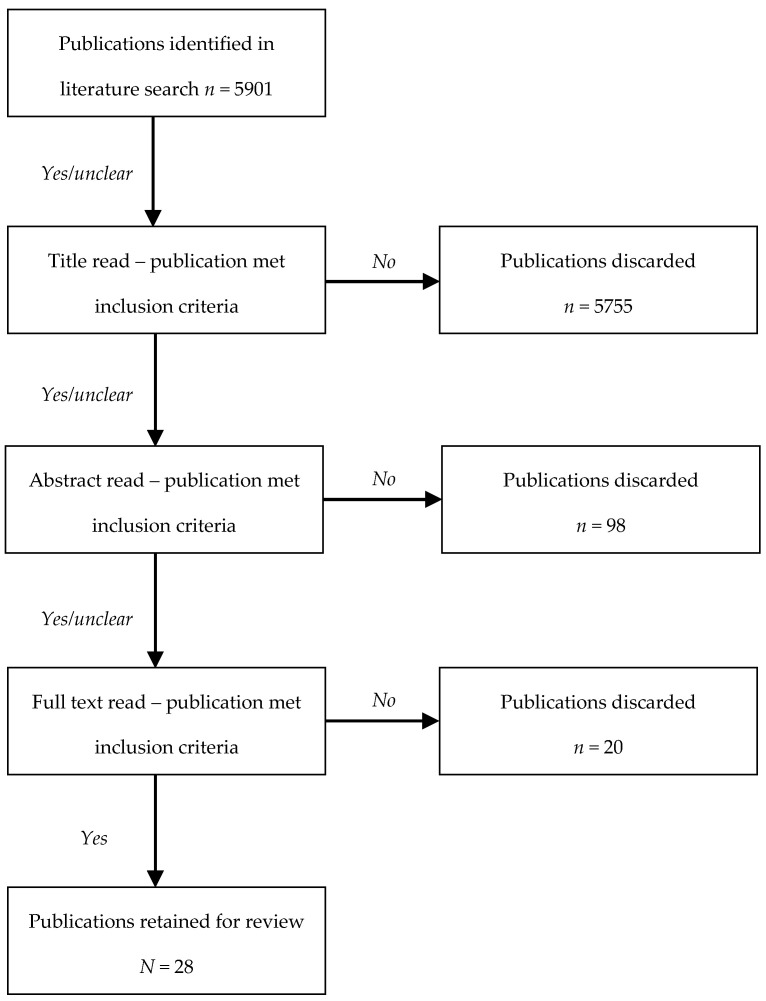
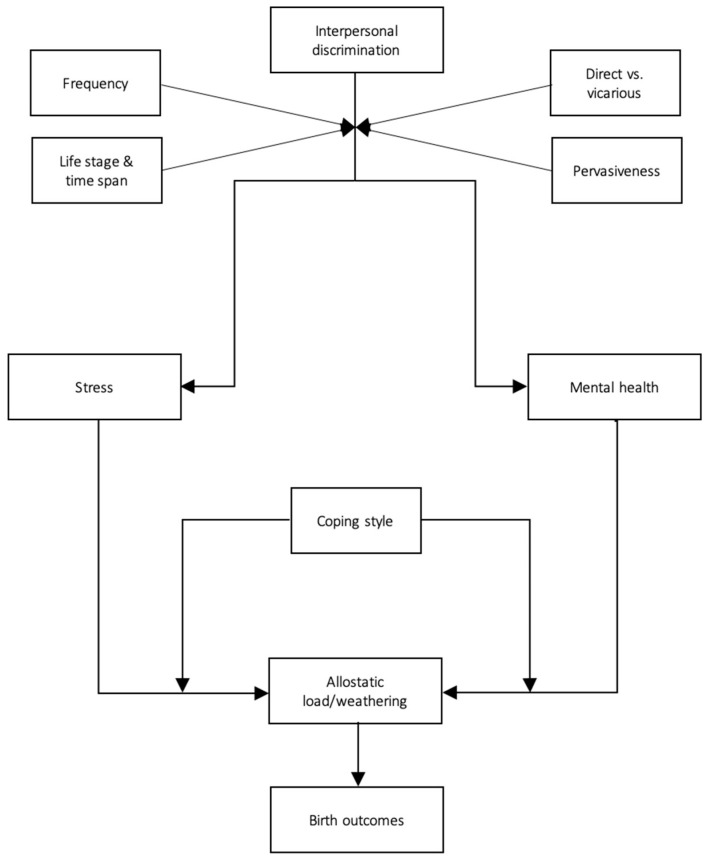
In the present systematic review, we argue that maternal experiences of interpersonal discrimination at least partially account for the disproportionate rates of adverse birth outcomes in minority populations. Since the 1990s, research in this area has slowly, but steadily increased, shedding more light on the insidious nature of interpersonal discrimination and its toxic health effects. With the aim of bringing this topic to the fore in academic as well as clinical settings, this paper provides a state-of-the-art review of the empirical knowledge on the relationship between maternal experiences of discrimination and birth outcomes. Of 5901 articles retained in the literature search, 28 met the predefined inclusion criteria. Accounting for a range of health and behavioral factors, the vast majority of these studies support the notion that maternal experiences of interpersonal discrimination predict a range of adverse birth outcomes, including preterm birth, low birth weight, and various physiological markers of stress (allostatic load) in both mother and child pre- and postpartum. Several moderators and mediators of this relationship were also identified. These related primarily to the type (first-hand and vicarious), timing (childhood, adolescence, and adulthood), frequency, and pervasiveness of discrimination experienced, as well as to maternal mental health and coping. More research into these factors, however, is required to definitively determine their significance. We discuss these findings as they relate to the general health repercussions of interpersonal discrimination, as well as in terms of applied prenatal care and interventions. Ultimately, we argue that assessing maternal experiences of interpersonal discrimination in prenatal care may represent a considerable asset for mitigating existing majority-minority disparities in adverse birth outcomes.
在本系统评价中,我们认为母亲所经历的人际歧视至少部分解释了少数族裔中不良分娩结局比例过高的现象。自20世纪90年代以来,该领域的研究虽进展缓慢,但稳步增加,使人们对人际歧视的潜在本质及其有害健康影响有了更多了解。为了在学术和临床环境中突出这一主题,本文对关于母亲歧视经历与分娩结局之间关系的实证知识进行了最新综述。在文献检索中保留的5901篇文章中,有28篇符合预先设定的纳入标准。考虑到一系列健康和行为因素,这些研究中的绝大多数支持这样一种观点,即母亲的人际歧视经历预示着一系列不良分娩结局,包括早产、低出生体重以及母婴产前和产后压力的各种生理指标(应激负荷)。还确定了这种关系的几个调节因素和中介因素。这些因素主要与所经历歧视的类型(直接和间接)、时间(童年、青少年和成年)、频率和普遍性有关,也与母亲的心理健康和应对方式有关。然而,需要对这些因素进行更多研究,以明确确定它们的重要性。我们将讨论这些发现,涉及人际歧视对总体健康的影响,以及在产前护理和干预措施方面的应用。最终,我们认为在产前护理中评估母亲的人际歧视经历可能是减轻现有多数族裔与少数族裔在不良分娩结局方面差距的一项重要资产。