Louvain centre for Toxicology and Applied Pharmacology, Institut de Recherche Expérimentale et Clinique, UCLouvain, Brussels, Belgium.
Centre de Technologies Moléculaires Appliquées, Institut de Recherche Expérimentale et Clinique, UCLouvain, Brussels, Belgium.
Part Fibre Toxicol. 2021 Feb 9;18(1):7. doi: 10.1186/s12989-021-00400-7.
Ambient air pollution by particulate matters, including diesel exhaust particles (DEP), is a major cause of cardiovascular and metabolic mortality worldwide. The mechanisms by which DEP cause these adverse outcomes are not completely understood. Because the gut microbiota controls cardiovascular and metabolic health, we hypothesized that the fraction of inhaled DEP which reach the gut after mucociliary clearance and swallowing might induce gut dysbiosis and, in turn, contribute to aggravate or induce cardiovascular and metabolic diseases.
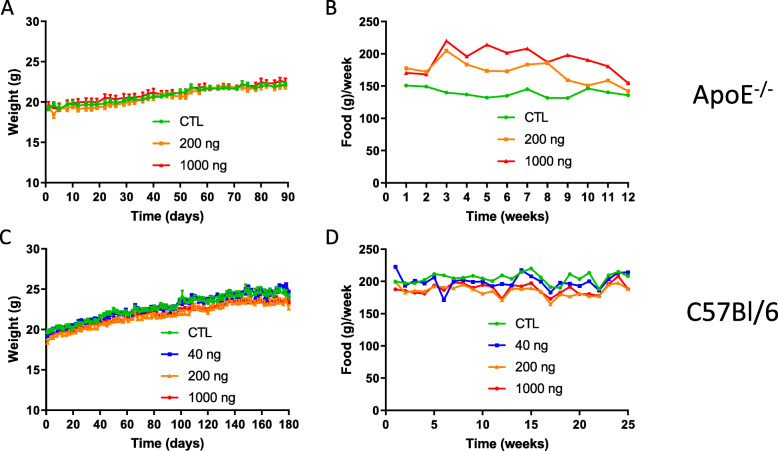
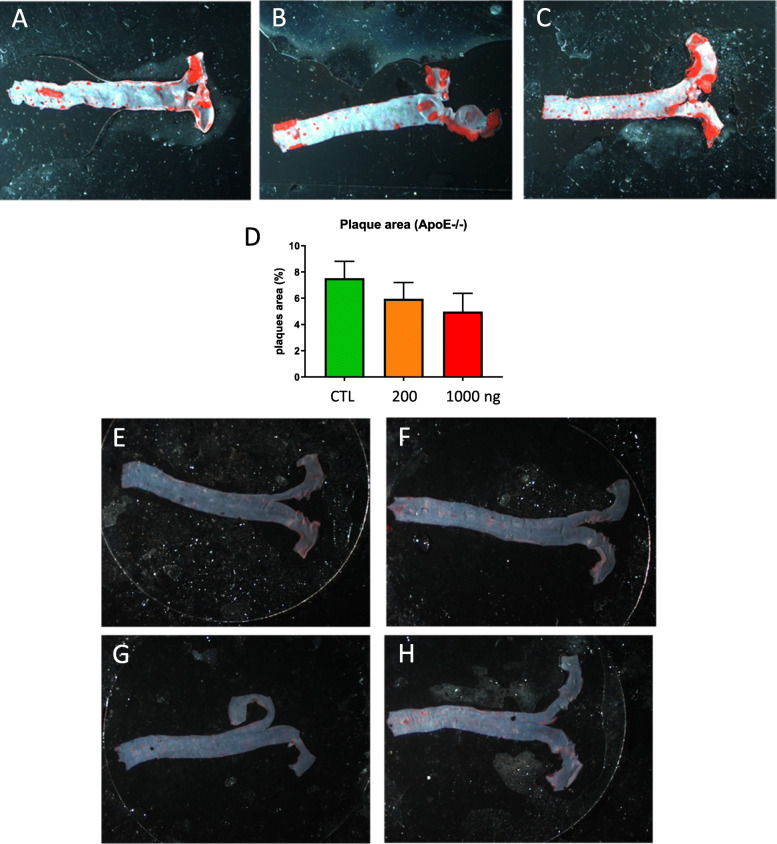
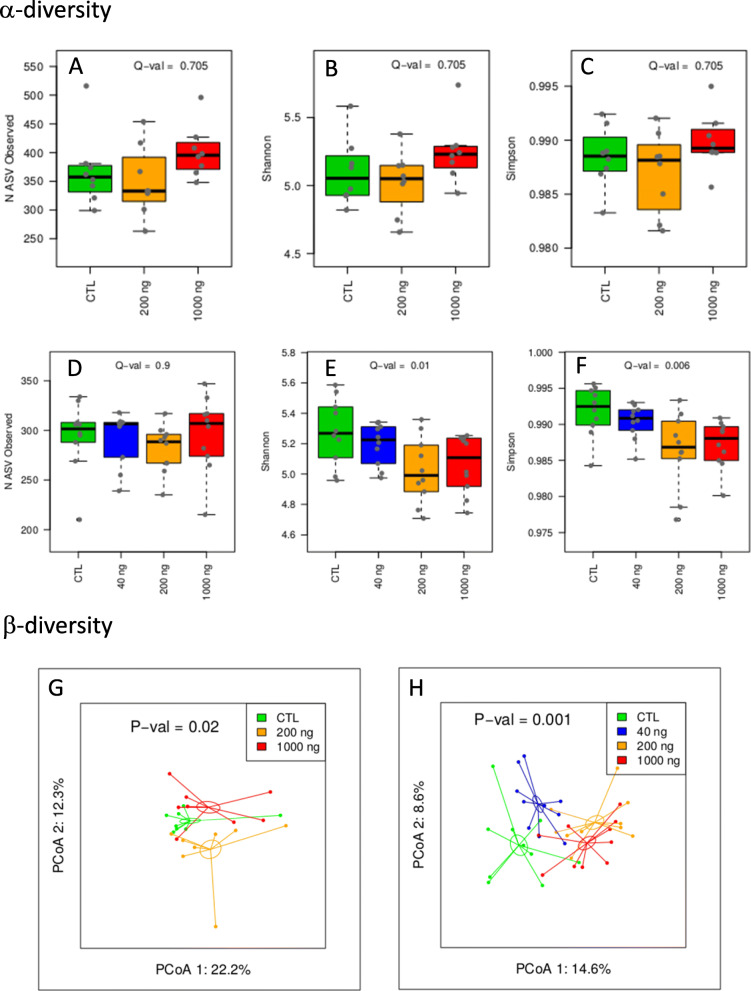
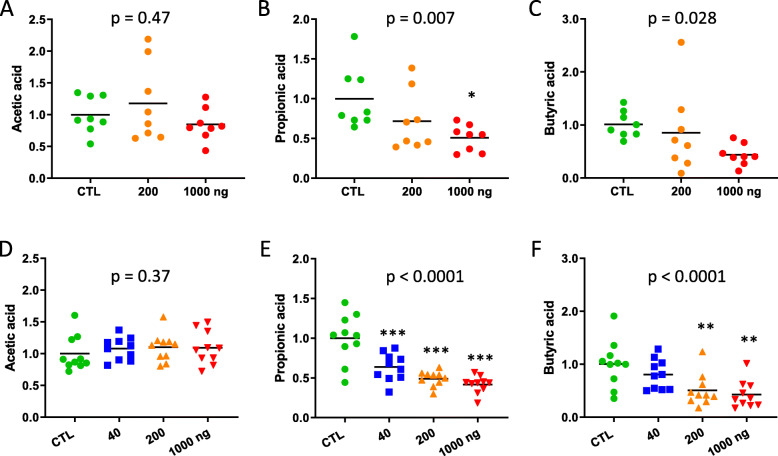
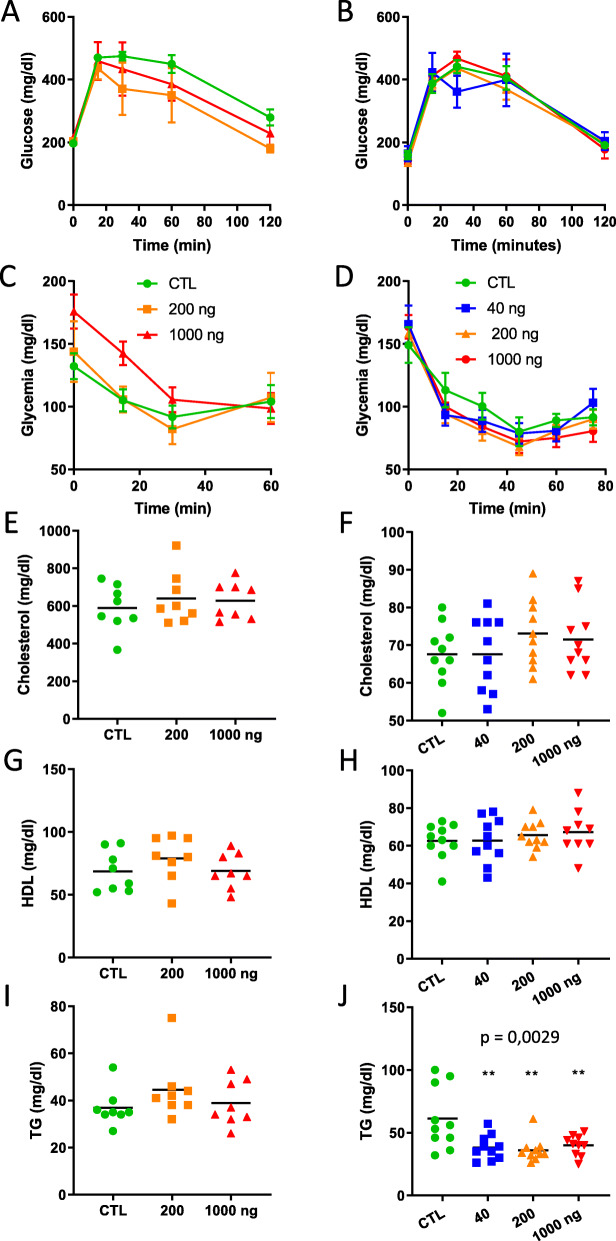
Female ApoE mice fed a Western diet, and wild-type (C57Bl/6) mice fed standard diet were gavaged with DEP (SRM2975) doses corresponding to mucociliary clearance from inhalation exposure (200 or 1000 ng/day, 3 times a week for 3 months; and 40, 200 or 1000 ng/day, 3 times a week for 6 months, respectively). No mortality, overt systemic or digestive toxicity was observed. A dose-dependent alteration of the gut microbiota was recorded in both strains. In ApoE, β-diversity was modified by DEP, but no significant modification of the relative abundance of the phyla, families or genera was identified. In C57BL/6 mice, DEP reduced α-diversity (Shannon and Simpson indices), and modified β-diversity, including a reduction of the Proteobacteria and Patescibacteria phyla, and an increase of the Campylobacterota phylum. In both mouse models, perturbation of the gut microbiota composition was associated with a dose-dependent reduction of bacterial short chain fatty acids (butyrate and propionate) in cecal content. However, DEP ingestion did not aggravate (ApoE), or induce (C57BL/6 mice) atherosclerotic plaques, and no metabolic alteration (glucose tolerance, resistance to insulin, or lipidemia) was recorded.
We show here that oral exposure to DEP, at doses relevant for human health, changes the composition and function of the gut microbiota. These modifications were, however, not translated into ultimate atherosclerotic or metabolic outcomes.
空气中的颗粒物(包括柴油机排气颗粒)等环境污染物是导致全球心血管和代谢性死亡的主要原因。柴油机排气颗粒导致这些不良后果的机制尚未完全阐明。由于肠道微生物群控制着心血管和代谢健康,我们假设吸入的柴油机排气颗粒中经黏液纤毛清除和吞咽后到达肠道的部分可能会引起肠道菌群失调,并进而导致或加重心血管和代谢疾病。
我们用柴油机排气颗粒(SRM2975)对喂食西方饮食的 ApoE 雌性小鼠(Western diet)和标准饮食的野生型(C57Bl/6)小鼠进行了灌胃处理,剂量相当于吸入暴露后的黏液纤毛清除量(200 或 1000ng/天,每周 3 次,共 3 个月;40、200 或 1000ng/天,每周 3 次,共 6 个月)。没有观察到死亡、明显的全身或消化系统毒性。两种品系的肠道微生物群都发生了剂量依赖性改变。在 ApoE 中,β多样性因 DEP 而改变,但未发现门、科或属的相对丰度有显著改变。在 C57BL/6 小鼠中,DEP 降低了α多样性(Shannon 和 Simpson 指数),并改变了β多样性,包括减少了变形菌门和 Patescibacteria 门,增加了 Campylobacterota 门。在这两种小鼠模型中,肠道微生物群组成的扰动与粪便内容物中细菌短链脂肪酸(丁酸盐和丙酸盐)的剂量依赖性降低有关。然而,DEE 摄入既没有加重(ApoE),也没有诱导(C57BL/6 小鼠)动脉粥样硬化斑块的形成,也没有记录到代谢改变(葡萄糖耐量、胰岛素抵抗或血脂异常)。
我们在这里表明,口服摄入与人类健康相关的柴油机排气颗粒剂量会改变肠道微生物群的组成和功能。然而,这些变化并没有转化为最终的动脉粥样硬化或代谢结果。