Program in Physiological Genomics, UT Microbiome Consortium, Center for Hypertension & Personalized Medicine, Department of Physiology & Pharmacology, University of Toledo College of Medicine and Life Sciences, Toledo, Ohio, USA.
Compr Physiol. 2021 Feb 12;11(1):1575-1589. doi: 10.1002/cphy.c200020.
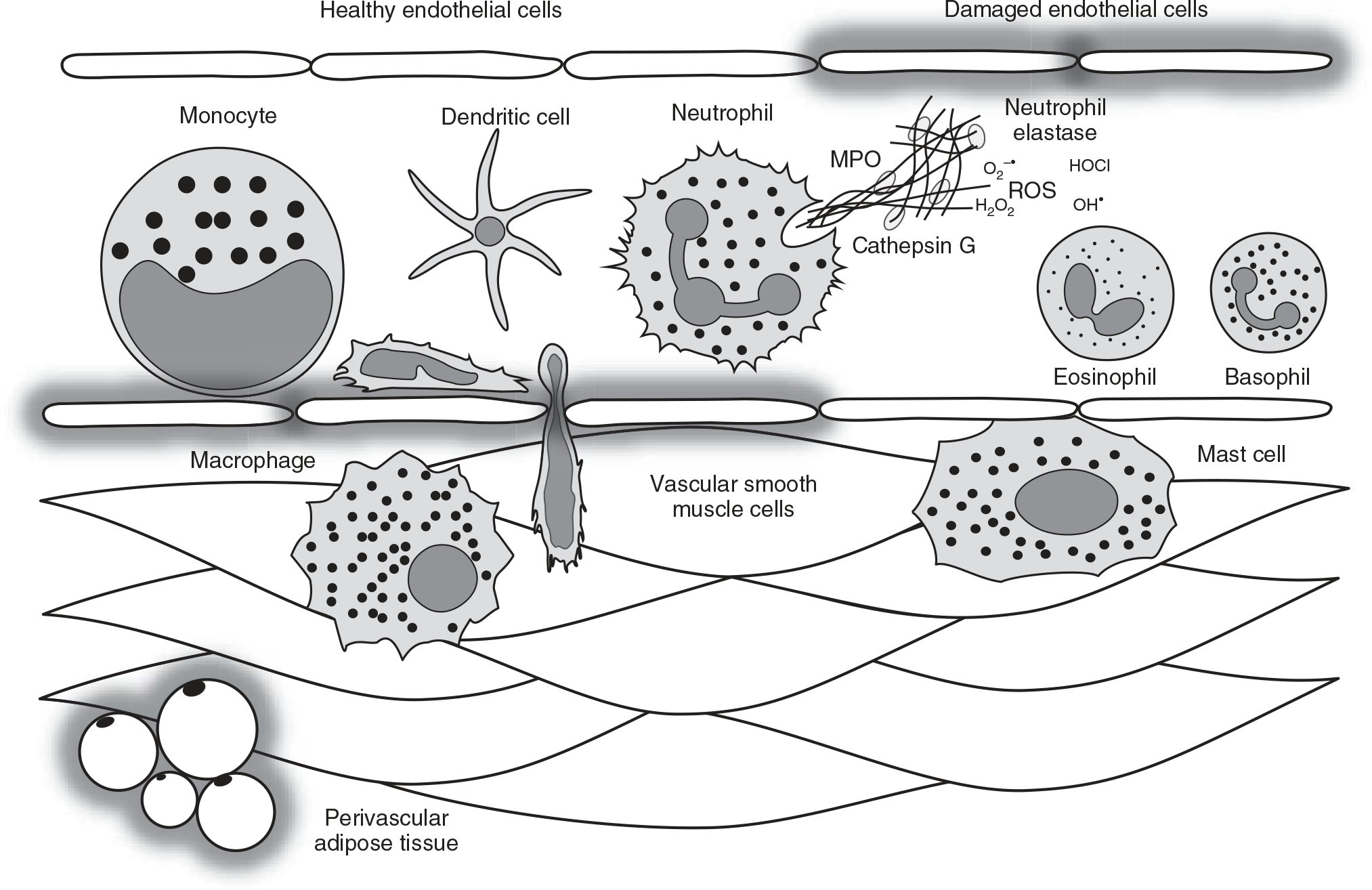
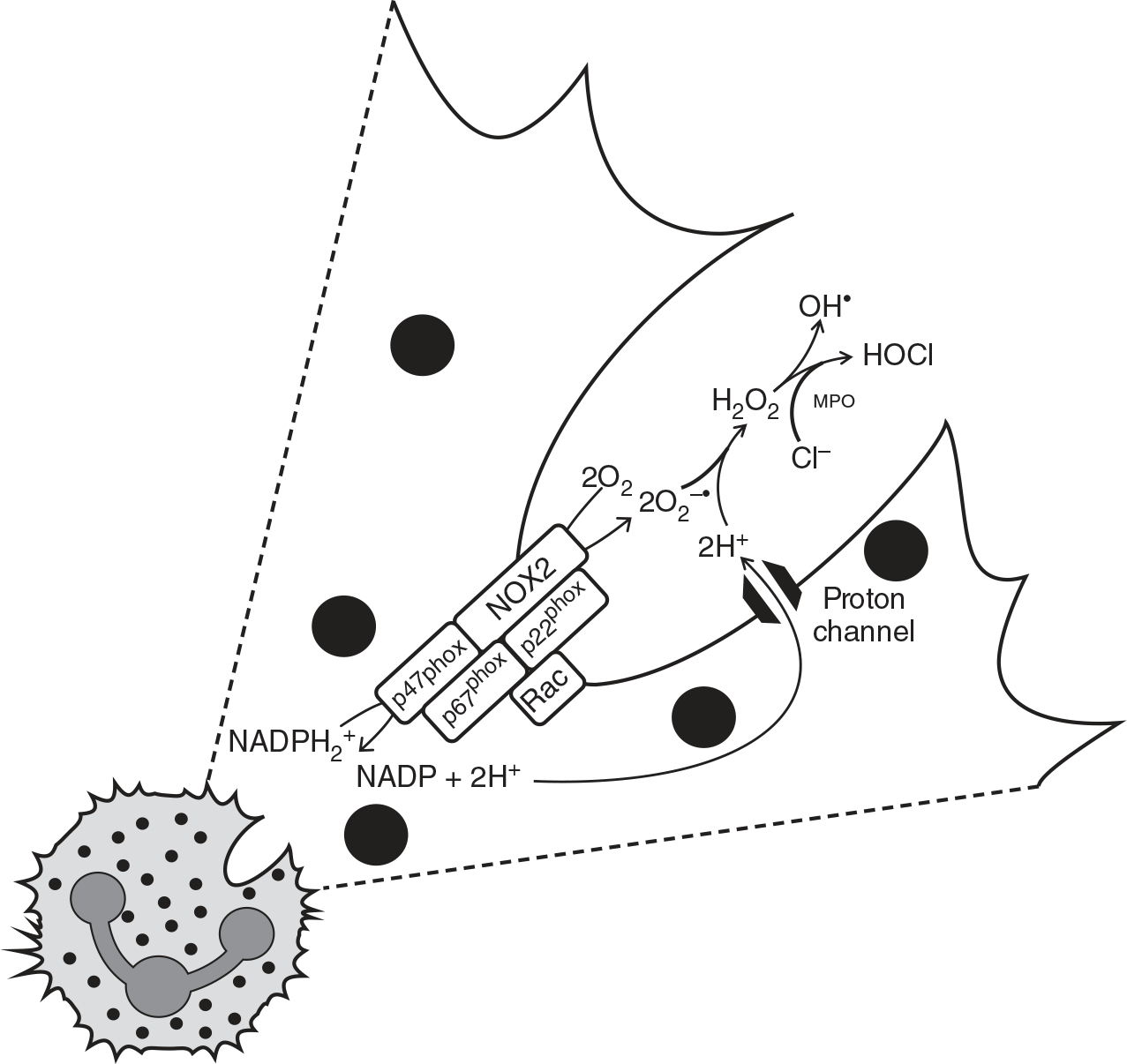
Uncontrolled immune system activation amplifies end-organ injury in hypertension. Nonetheless, the exact mechanisms initiating this exacerbated inflammatory response, thereby contributing to further increases in blood pressure (BP), are still being revealed. While participation of lymphoid-derived immune cells has been well described in the hypertension literature, the mechanisms by which myeloid-derived innate immune cells contribute to T cell activation, and subsequent BP elevation, remains an active area of investigation. In this article, we critically analyze the literature to understand how monocytes, macrophages, dendritic cells, and polymorphonuclear leukocytes, including mast cells, eosinophils, basophils, and neutrophils, contribute to hypertension and hypertension-associated end-organ injury. The most abundant leukocytes, neutrophils, are indisputably increased in hypertension. However, it is unknown how (and why) they switch from critical first responders of the innate immune system, and homeostatic regulators of BP, to tissue-damaging, pro-hypertensive mediators. We propose that myeloperoxidase-derived pro-oxidants, neutrophil elastase, neutrophil extracellular traps (NETs), and interactions with other innate and adaptive immune cells are novel mechanisms that could contribute to the inflammatory cascade in hypertension. We further posit that the gut microbiota serves as a set point for neutropoiesis and their function. Finally, given that hypertension appears to be a key risk factor for morbidity and mortality in COVID-19 patients, we put forth evidence that neutrophils and NETs cause cardiovascular injury post-coronavirus infection, and thus may be proposed as an intriguing therapeutic target for high-risk individuals. © 2021 American Physiological Society. Compr Physiol 11:1575-1589, 2021.
免疫系统失控激活会放大高血压的靶器官损伤。然而,引发这种炎症反应加剧的具体机制,以及导致血压进一步升高的机制,仍在不断被揭示。虽然淋巴细胞来源的免疫细胞在高血压文献中已有详细描述,但髓系来源的固有免疫细胞如何促进 T 细胞激活,进而导致血压升高,仍然是一个活跃的研究领域。在这篇文章中,我们批判性地分析文献,以了解单核细胞、巨噬细胞、树突状细胞和多形核白细胞(包括肥大细胞、嗜酸性粒细胞、嗜碱性粒细胞和中性粒细胞)如何导致高血压和与高血压相关的靶器官损伤。最丰富的白细胞,中性粒细胞,在高血压中无疑增加了。然而,尚不清楚它们(以及为什么)从先天免疫系统的关键初始反应者和血压的内稳态调节剂转变为组织损伤、促高血压介质。我们提出,髓过氧化物酶衍生的促氧化剂、中性粒细胞弹性蛋白酶、中性粒细胞细胞外陷阱(NETs)以及与其他先天和适应性免疫细胞的相互作用是可能导致高血压炎症级联反应的新机制。我们进一步假设肠道微生物群作为嗜中性粒细胞生成及其功能的设定点。最后,鉴于高血压似乎是 COVID-19 患者发病率和死亡率的关键风险因素,我们提出证据表明中性粒细胞和 NETs 在冠状病毒感染后引起心血管损伤,因此可能被提议作为高危人群的一个有趣的治疗靶点。 2021 年美国生理学会。综合生理学 11:1575-1589.