Garcez Marcia, Branco-Santos Joana, Gracio Patricia C, Homem Catarina C F
iNOVA4Health, CEDOC, NOVA Medical School, NMS, Universidade Nova de Lisboa, Lisbon, Portugal.
Graduate Program in Areas of Basic and Applied Biology (GABBA), Universidade do Porto, Porto, Portugal.
Front Cell Dev Biol. 2021 Jan 28;8:596819. doi: 10.3389/fcell.2020.596819. eCollection 2020.
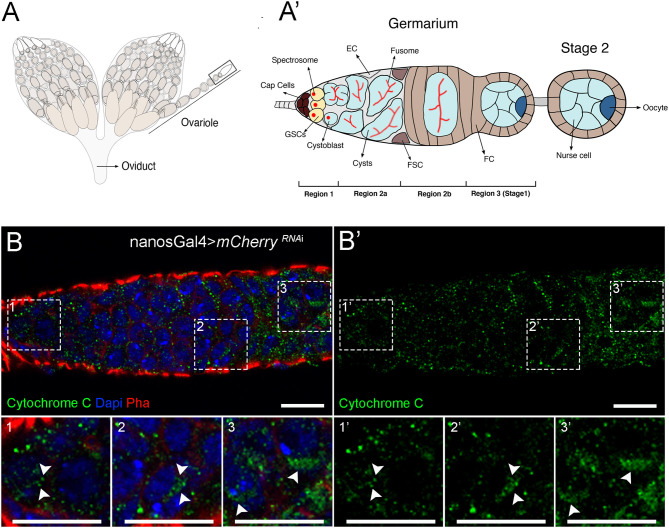
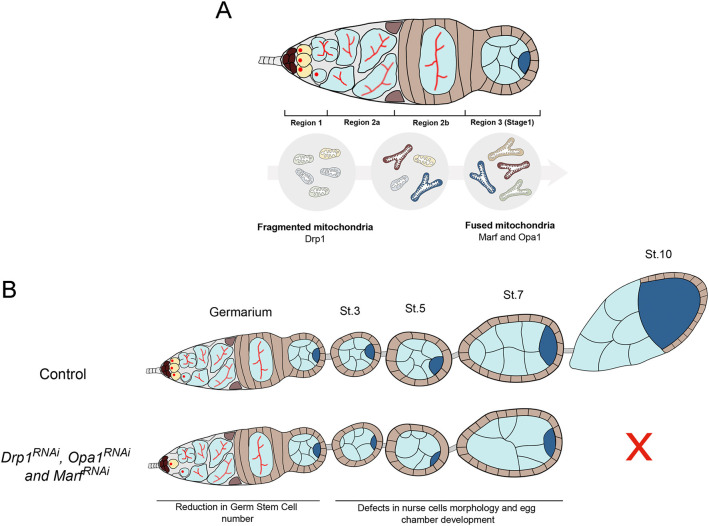
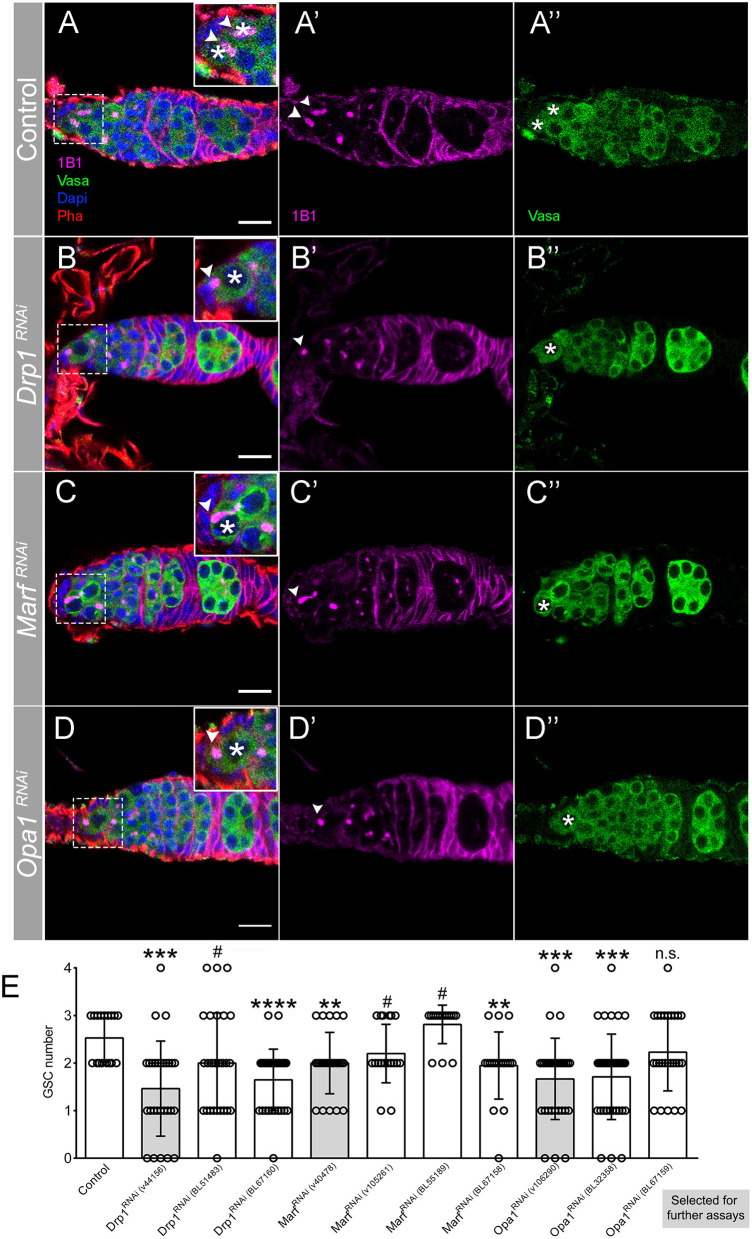
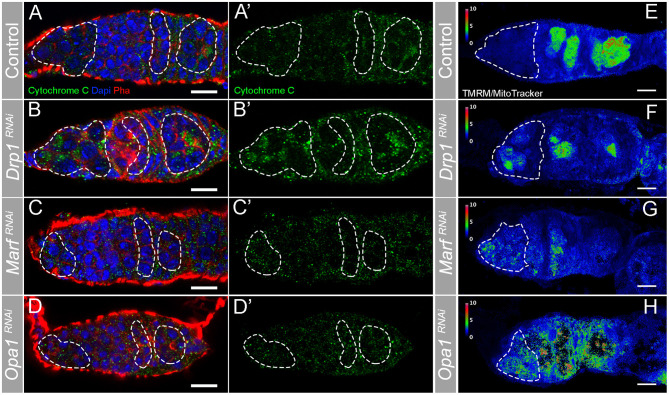
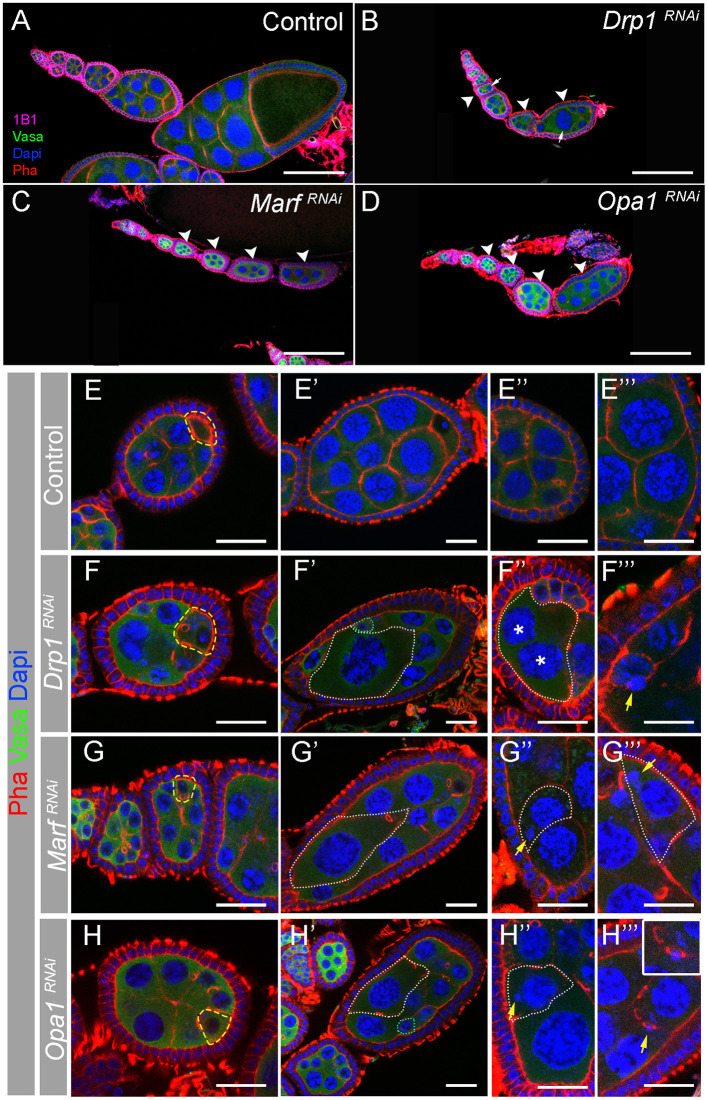
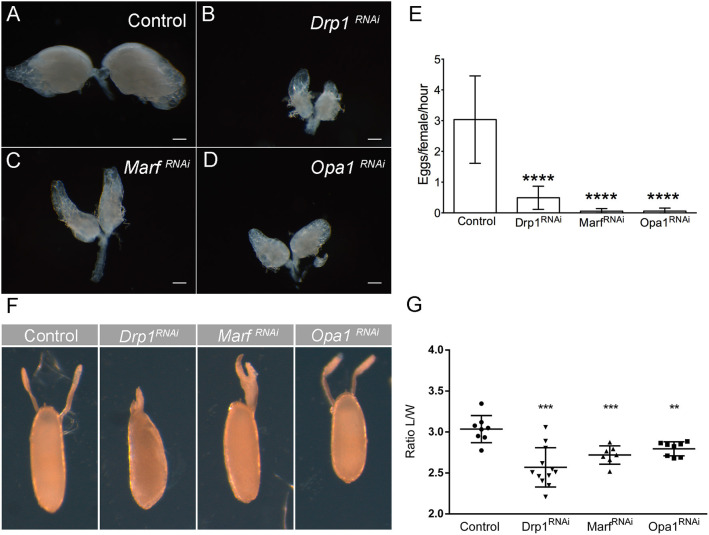
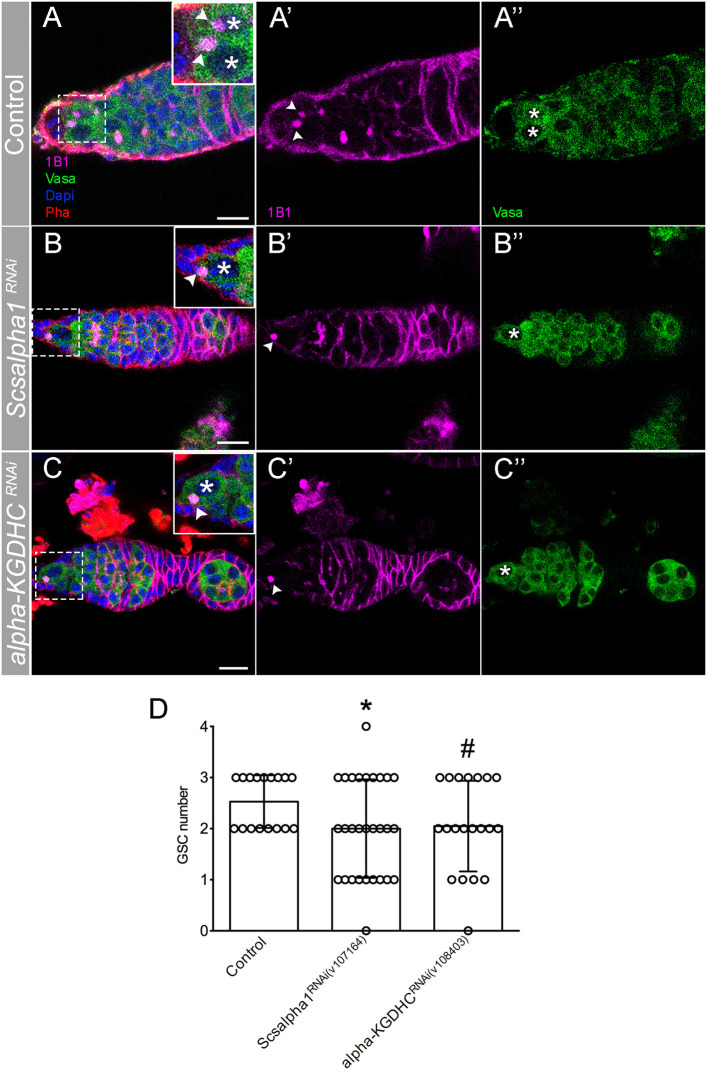
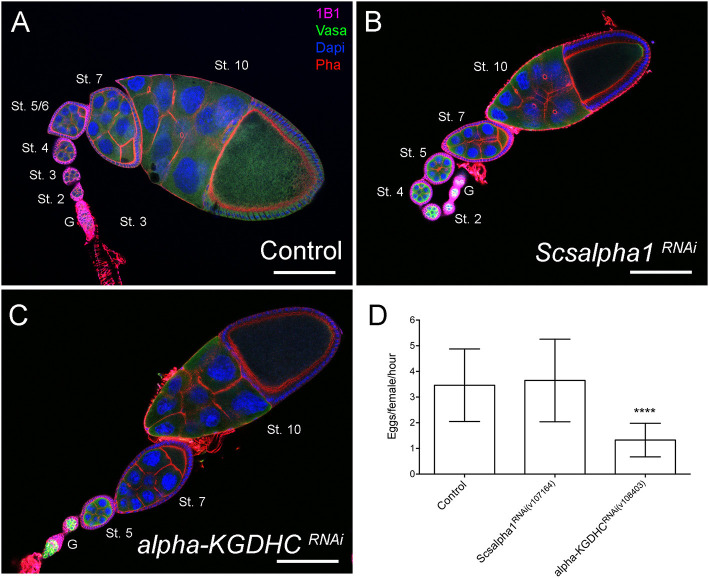
The fate and proliferative capacity of stem cells have been shown to strongly depend on their metabolic state. Mitochondria are the powerhouses of the cell being responsible for energy production oxidative phosphorylation (OxPhos) as well as for several other metabolic pathways. Mitochondrial activity strongly depends on their structural organization, with their size and shape being regulated by mitochondrial fusion and fission, a process known as mitochondrial dynamics. However, the significance of mitochondrial dynamics in the regulation of stem cell metabolism and fate remains elusive. Here, we characterize the role of mitochondria morphology in female germ stem cells (GSCs) and in their more differentiated lineage. Mitochondria are particularly important in the female GSC lineage. Not only do they provide these cells with their energy requirements to generate the oocyte but they are also the only mitochondria pool to be inherited by the offspring. We show that the undifferentiated GSCs predominantly have fissed mitochondria, whereas more differentiated germ cells have more fused mitochondria. By reducing the levels of mitochondrial dynamics regulators, we show that both fused and fissed mitochondria are required for the maintenance of a stable GSC pool. Surprisingly, we found that disrupting mitochondrial dynamics in the germline also strongly affects nurse cells morphology, impairing egg chamber development and female fertility. Interestingly, reducing the levels of key enzymes in the Tricarboxylic Acid Cycle (TCA), known to cause OxPhos reduction, also affects GSC number. This defect in GSC self-renewal capacity indicates that at least basal levels of TCA/OxPhos are required in GSCs. Our findings show that mitochondrial dynamics is essential for female GSC maintenance and female fertility, and that mitochondria fusion and fission events are dynamically regulated during GSC differentiation, possibly to modulate their metabolic profile.
干细胞的命运和增殖能力已被证明强烈依赖于它们的代谢状态。线粒体是细胞的动力工厂,负责能量产生、氧化磷酸化(OxPhos)以及其他几种代谢途径。线粒体活性强烈依赖于其结构组织,其大小和形状由线粒体融合和裂变调节,这一过程称为线粒体动力学。然而,线粒体动力学在干细胞代谢和命运调控中的意义仍然难以捉摸。在这里,我们描述了线粒体形态在雌性生殖干细胞(GSCs)及其更分化的谱系中的作用。线粒体在雌性生殖干细胞谱系中尤为重要。它们不仅为这些细胞提供产生卵母细胞所需的能量,而且还是后代唯一继承的线粒体库。我们发现未分化的生殖干细胞主要具有裂变的线粒体,而更分化的生殖细胞具有更多融合的线粒体。通过降低线粒体动力学调节因子的水平,我们表明融合和裂变的线粒体对于维持稳定的生殖干细胞库都是必需的。令人惊讶的是,我们发现破坏生殖系中的线粒体动力学也会强烈影响滋养细胞的形态,损害卵室发育和雌性生育能力。有趣的是,降低三羧酸循环(TCA)中已知会导致氧化磷酸化减少的关键酶的水平,也会影响生殖干细胞的数量。生殖干细胞自我更新能力的这种缺陷表明,生殖干细胞至少需要基础水平的三羧酸循环/氧化磷酸化。我们的研究结果表明,线粒体动力学对于雌性生殖干细胞的维持和雌性生育能力至关重要,并且线粒体融合和裂变事件在生殖干细胞分化过程中受到动态调节,可能是为了调节它们的代谢特征。