Tan Yeqi, Henehan Gary T, Kinsella Gemma K, Ryan Barry J
School of Food Sciences and Environmental Health, Technological University Dublin, Grangegorman, Dublin 7 D07 H6K8, Ireland.
Comput Struct Biotechnol J. 2021 Jan 20;19:869-879. doi: 10.1016/j.csbj.2021.01.019. eCollection 2021.
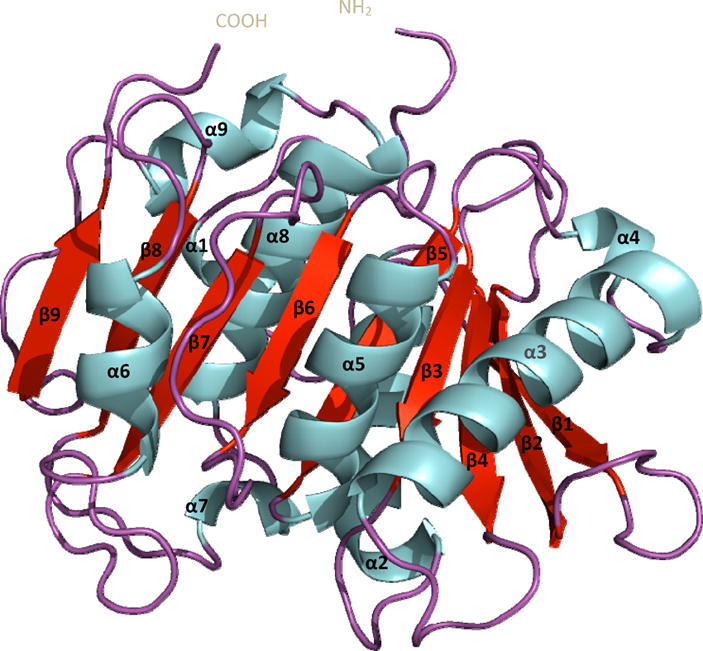
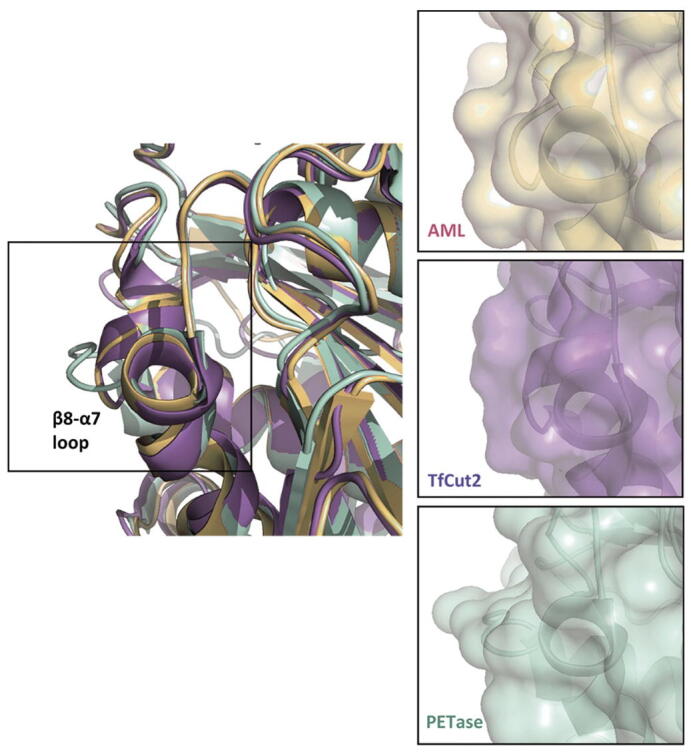
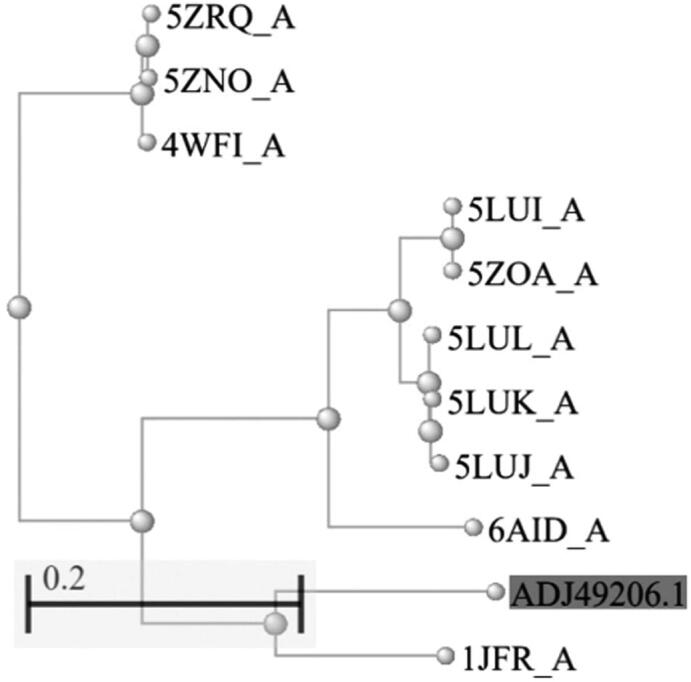
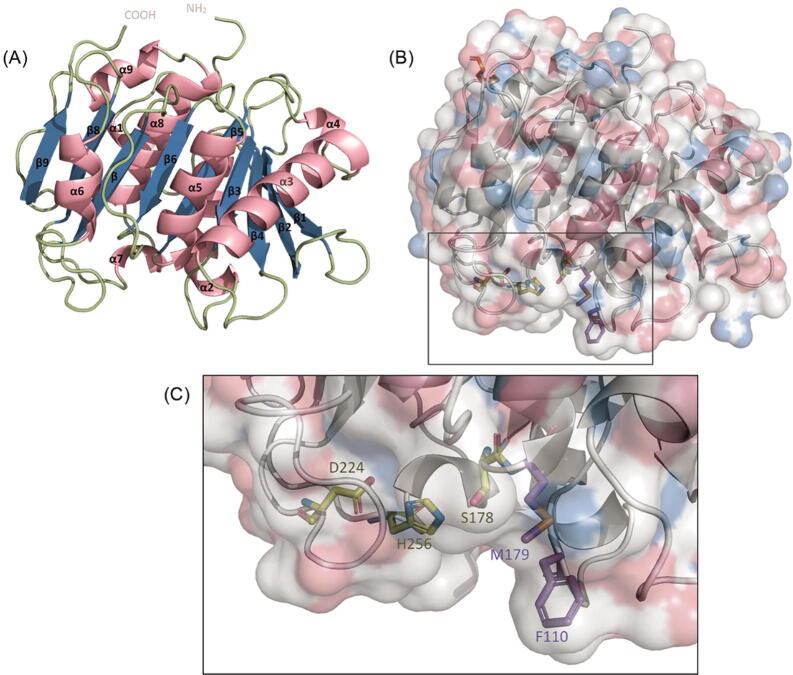
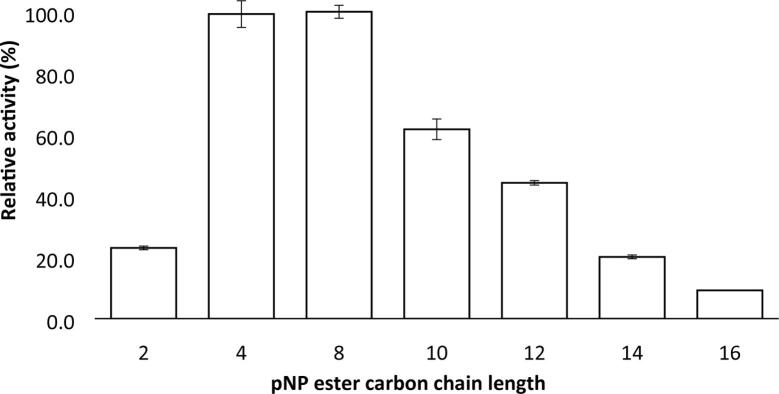
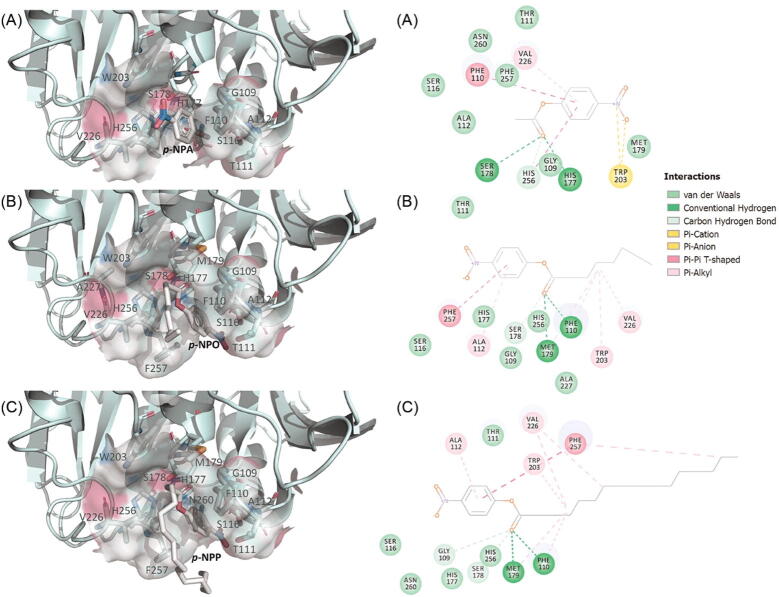
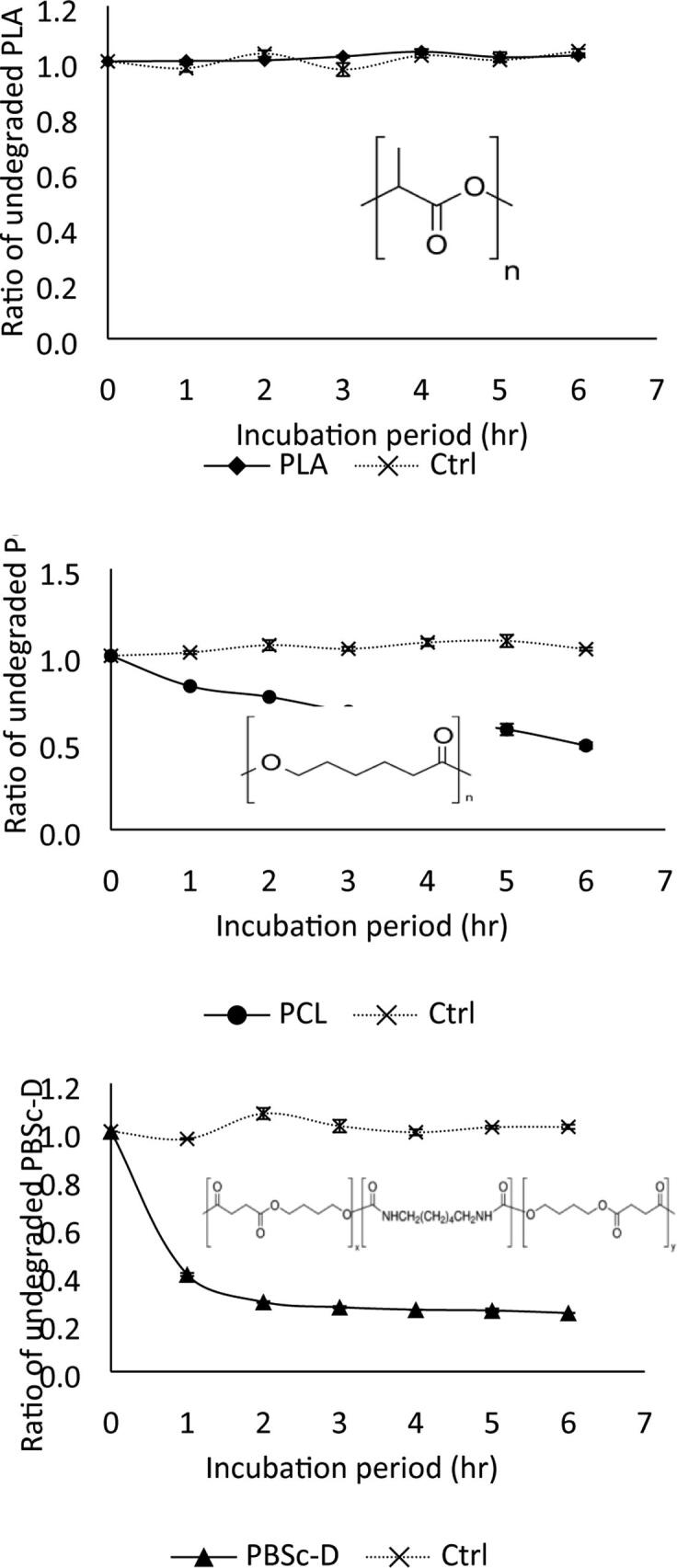
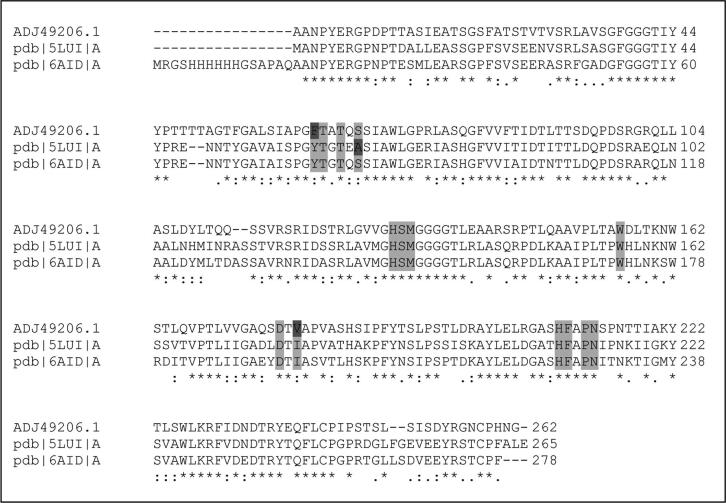
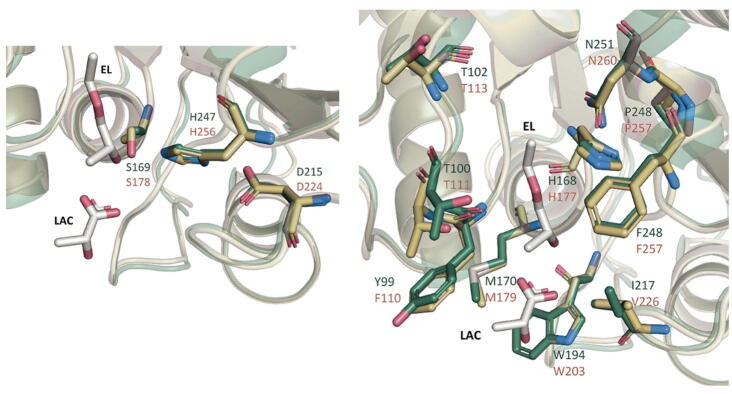
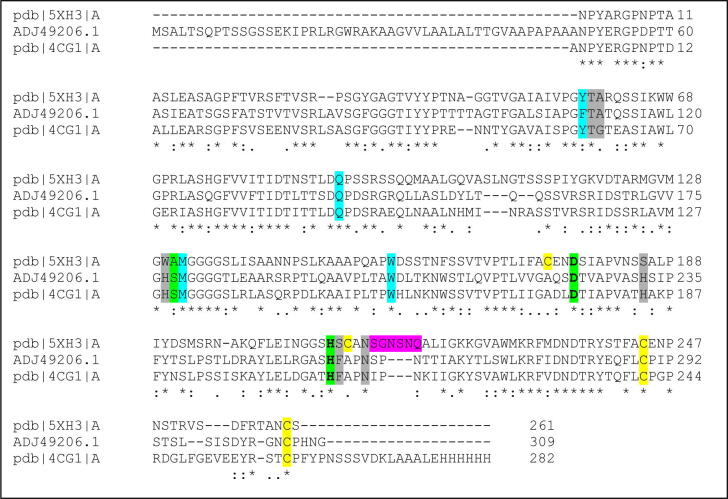
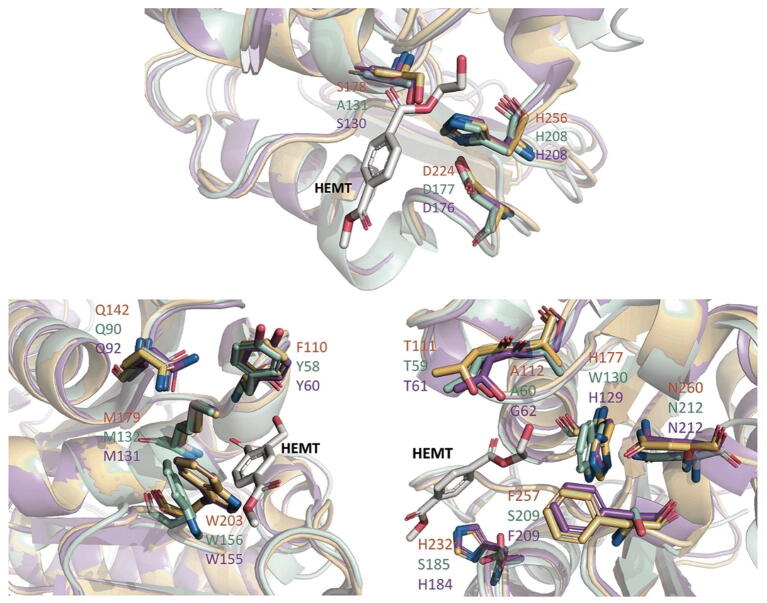
An extracellular lipase from (AML) with potential applications in process biotechnology was recently cloned and examined in this laboratory. In the present study, the 3D structure of AML was elucidated by comparative modelling. AML lacked the 'lid' structure observed in most true lipases and shared similarities with plastic degrading enzymes. Modelling and substrate specificity studies showed that AML was a cutinase with a relatively exposed active site and specificity for medium chain fatty acyl moieties. AML rapidly hydrolysed the aliphatic plastics poly(ε-caprolactone) and poly(1,4-butylene succinate) extended with 1,6-diisocyanatohexane under mild conditions. These plastics are known to be slow to degrade in landfill. Poly(L-lactic acid) was not hydrolysed by AML, nor was the aromatic plastic Polyethylene Terephthalate (PET). The specificity of AML is partly explained by active site topology and analysis reveals that minor changes in the active site region can have large effects on substrate preference. These findings show that extracellular enzymes are capable of degrading a wider range of plastics than is generally recognised. The potential for application of AML in the bioremediation of plastics is discussed.
本实验室最近克隆并研究了一种来自[具体来源未提及]的细胞外脂肪酶(AML),其在过程生物技术中具有潜在应用价值。在本研究中,通过比较建模阐明了AML的三维结构。AML缺乏大多数真正脂肪酶中观察到的“盖子”结构,并且与塑料降解酶有相似之处。建模和底物特异性研究表明,AML是一种角质酶,其活性位点相对暴露,对中链脂肪酰基部分具有特异性。AML在温和条件下能快速水解用1,6 - 二异氰酸己酯扩链的脂肪族塑料聚(ε - 己内酯)和聚(1,4 - 丁二酸丁二醇酯)。这些塑料在垃圾填埋场中已知降解缓慢。聚(L - 乳酸)不能被AML水解,芳香族塑料聚对苯二甲酸乙二酯(PET)也不能被其水解。AML的特异性部分由活性位点拓扑结构解释,分析表明活性位点区域的微小变化会对底物偏好产生很大影响。这些发现表明,细胞外酶能够降解比通常认为的更广泛的塑料。本文还讨论了AML在塑料生物修复中的应用潜力。