IEEE J Biomed Health Inform. 2021 May;25(5):1347-1357. doi: 10.1109/JBHI.2021.3060035. Epub 2021 May 11.
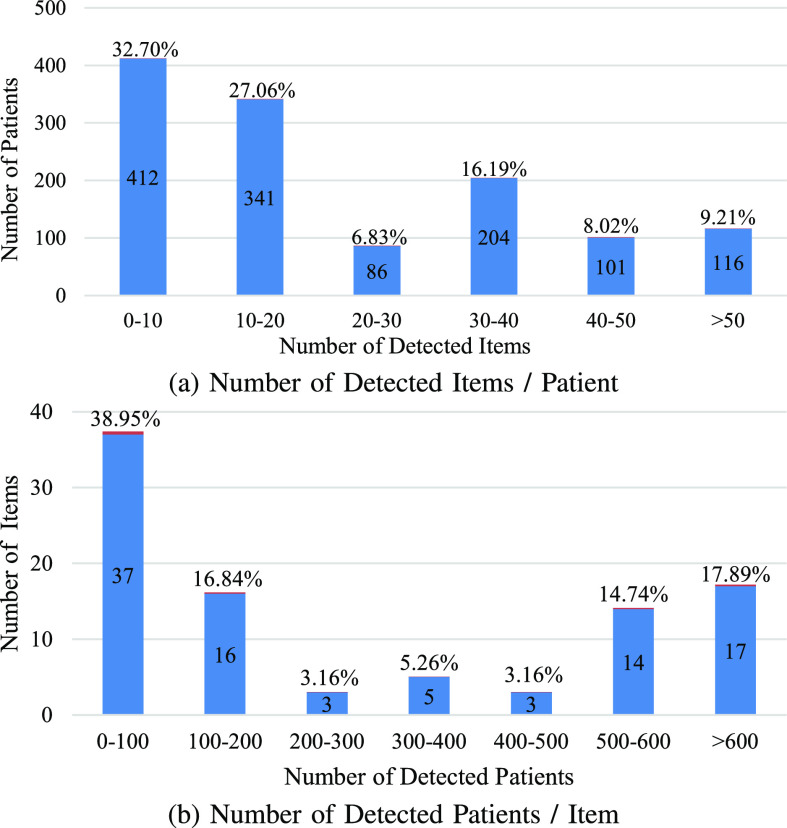
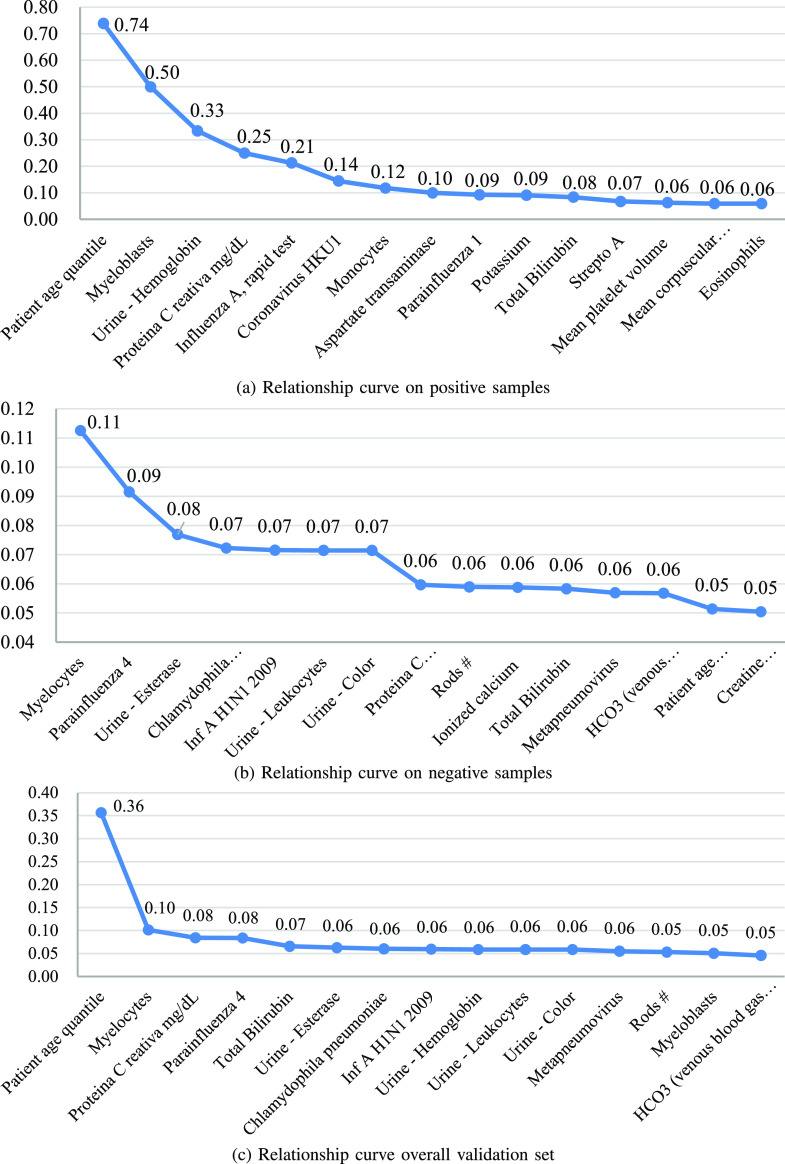
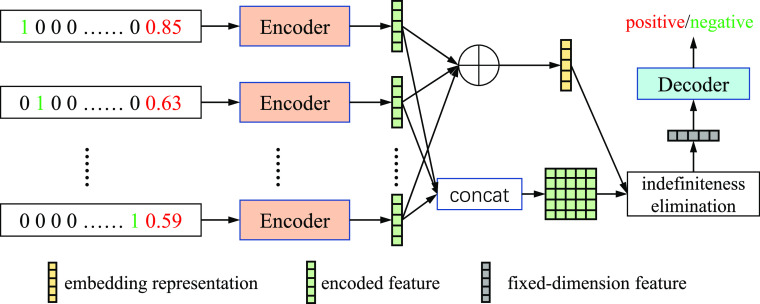
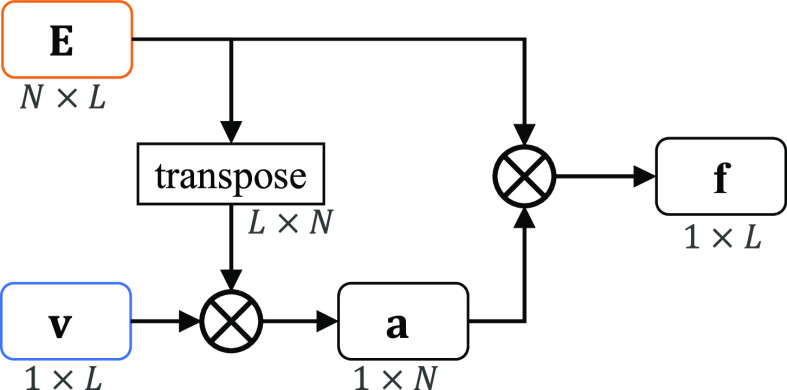
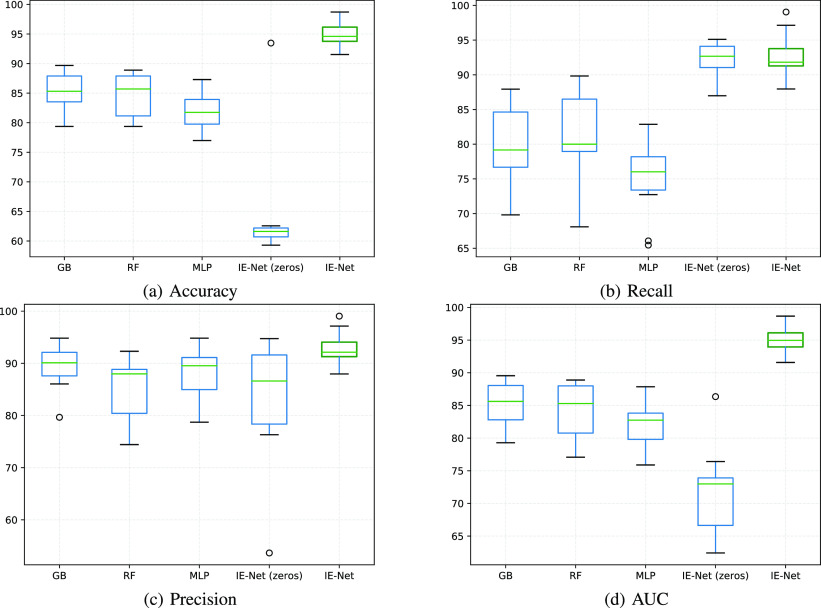
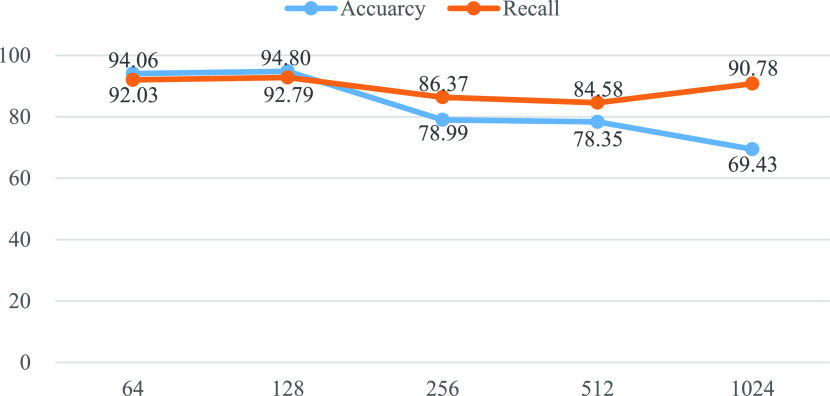
The coronavirus disease 2019 (COVID-19) has swept all over the world. Due to the limited detection facilities, especially in developing countries, a large number of suspected cases can only receive common clinical diagnosis rather than more effective detections like Reverse Transcription Polymerase Chain Reaction (RT-PCR) tests or CT scans. This motivates us to develop a quick screening method via common clinical diagnosis results. However, the diagnostic items of different patients may vary greatly, and there is a huge variation in the dimension of the diagnosis data among different suspected patients, it is hard to process these indefinite dimension data via classical classification algorithms. To resolve this problem, we propose an Indefiniteness Elimination Network (IE-Net) to eliminate the influence of the varied dimensions and make predictions about the COVID-19 cases. The IE-Net is in an encoder-decoder framework fashion, and an indefiniteness elimination operation is proposed to transfer the indefinite dimension feature into a fixed dimension feature. Comprehensive experiments were conducted on the public available COVID-19 Clinical Spectrum dataset. Experimental results show that the proposed indefiniteness elimination operation greatly improves the classification performance, the IE-Net achieves 94.80% accuracy, 92.79% recall, 92.97% precision and 94.93% AUC for distinguishing COVID-19 cases from non-COVID-19 cases with only common clinical diagnose data. We further compared our methods with 3 classical classification algorithms: random forest, gradient boosting and multi-layer perceptron (MLP). To explore each clinical test item's specificity, we further analyzed the possible relationship between each clinical test item and COVID-19.
新型冠状病毒肺炎(COVID-19)已席卷全球。由于检测设施有限,尤其是在发展中国家,大量疑似病例只能接受常规临床诊断,而无法进行更有效的检测,如逆转录聚合酶链反应(RT-PCR)检测或 CT 扫描。这促使我们开发一种通过常规临床诊断结果进行快速筛查的方法。然而,不同患者的诊断项目可能有很大差异,不同疑似患者的诊断数据维度也存在很大差异,很难通过经典的分类算法处理这些不定维度的数据。为了解决这个问题,我们提出了一种不定消除网络(IE-Net)来消除维度变化的影响,并对 COVID-19 病例进行预测。IE-Net 采用编码器-解码器结构,提出了不定消除操作将不定维度特征转换为固定维度特征。在公共的 COVID-19 临床谱数据集上进行了全面的实验。实验结果表明,所提出的不定消除操作极大地提高了分类性能,IE-Net 在仅使用常规临床诊断数据区分 COVID-19 病例和非 COVID-19 病例时,准确率为 94.80%,召回率为 92.79%,精度为 92.97%,AUC 为 94.93%。我们进一步将我们的方法与 3 种经典分类算法:随机森林、梯度提升和多层感知机(MLP)进行比较。为了探索每个临床检测项目的特异性,我们进一步分析了每个临床检测项目与 COVID-19 之间的可能关系。