Department of Biomedical Engineering, Ankara University, Ankara, Turkey.
Department of Electroneurophysiology, Istinye University, Istanbul, Turkey.
PLoS One. 2021 Feb 18;16(2):e0247117. doi: 10.1371/journal.pone.0247117. eCollection 2021.
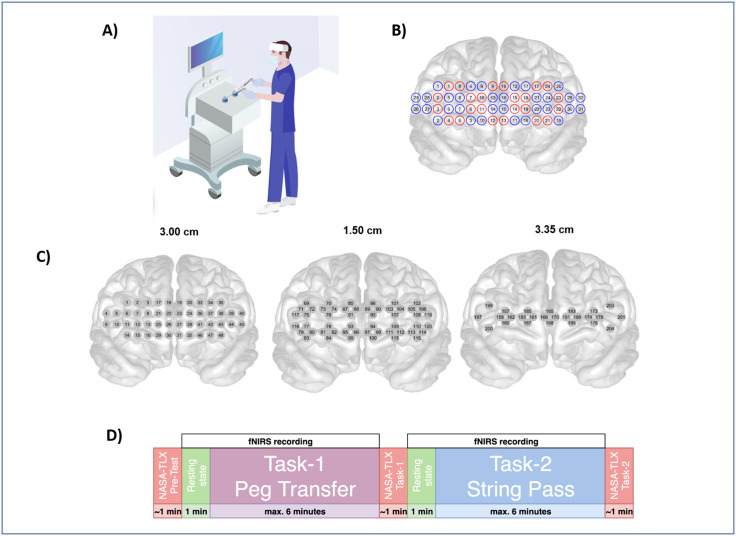
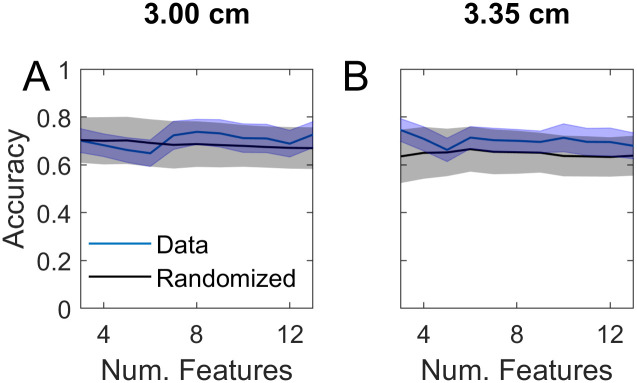
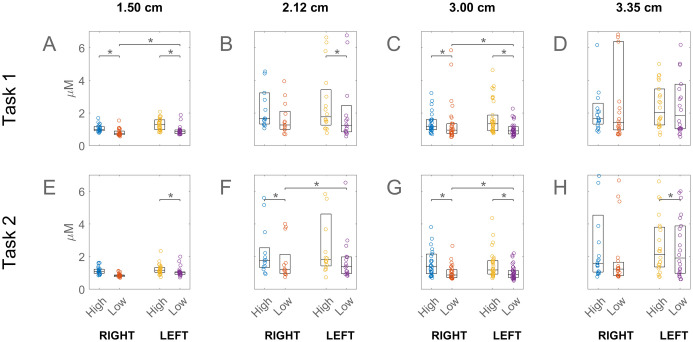
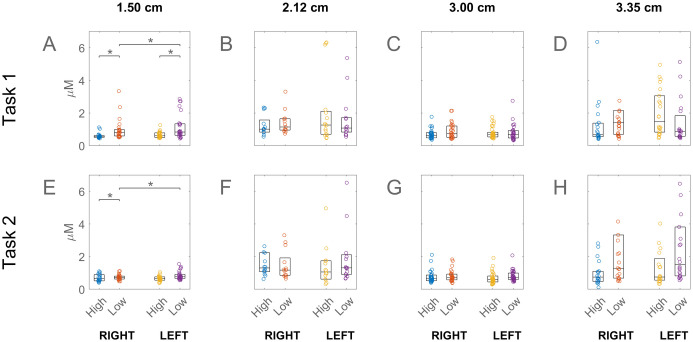
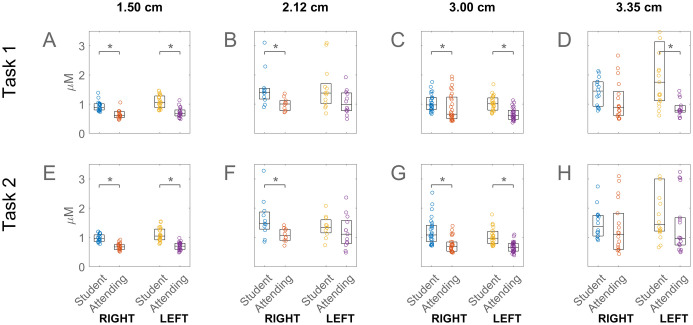
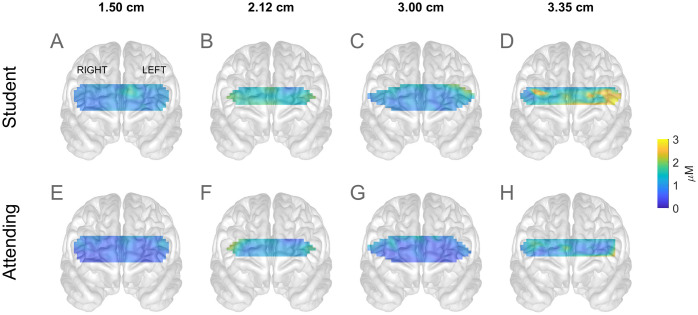
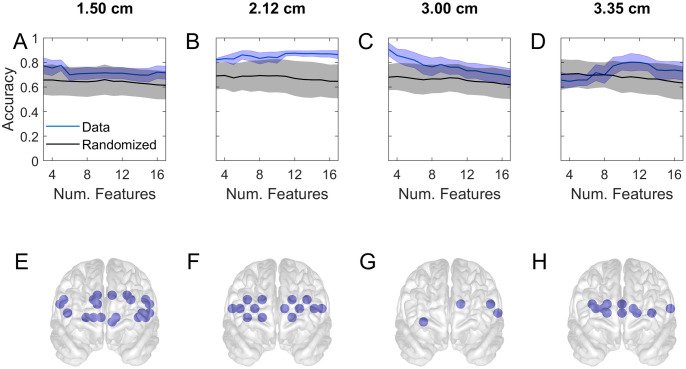
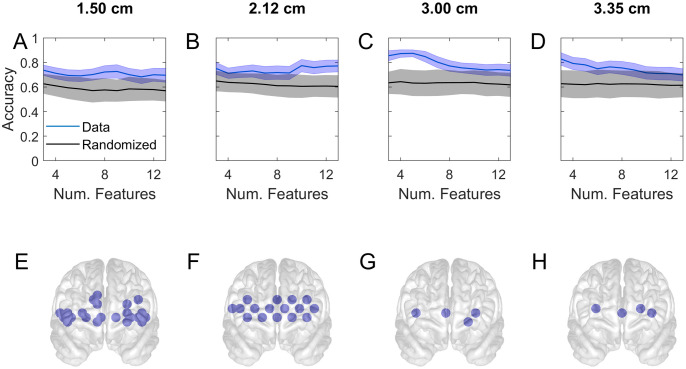
Measuring cognitive load is important for surgical education and patient safety. Traditional approaches of measuring cognitive load of surgeons utilise behavioural metrics to measure performance and surveys and questionnaires to collect reports of subjective experience. These have disadvantages such as sporadic data, occasionally intrusive methodologies, subjective or misleading self-reporting. In addition, traditional approaches use subjective metrics that cannot distinguish between skill levels. Functional neuroimaging data was collected using a high density, wireless NIRS device from sixteen surgeons (11 attending surgeons and 5 surgery resident) and 17 students while they performed two laparoscopic tasks (Peg transfer and String pass). Participant's subjective mental load was assessed using the NASA-TLX survey. Machine learning approaches were used for predicting the subjective experience and skill levels. The Prefrontal cortex (PFC) activations were greater in students who reported higher-than-median task load, as measured by the NASA-TLX survey. However in the case of attending surgeons the opposite tendency was observed, namely higher activations in the lower v higher task loaded subjects. We found that response was greater in the left PFC of students particularly near the dorso- and ventrolateral areas. We quantified the ability of PFC activation to predict the differences in skill and task load using machine learning while focussing on the effects of NIRS channel separation distance on the results. Our results showed that the classification of skill level and subjective task load could be predicted based on PFC activation with an accuracy of nearly 90%. Our finding shows that there is sufficient information available in the optical signals to make accurate predictions about the surgeons' subjective experiences and skill levels. The high accuracy of results is encouraging and suggest the integration of the strategy developed in this study as a promising approach to design automated, more accurate and objective evaluation methods.
测量认知负荷对于外科教育和患者安全非常重要。传统的测量外科医生认知负荷的方法利用行为指标来衡量绩效,以及使用调查和问卷来收集主观体验报告。这些方法存在一些缺点,例如数据零散、方法偶尔具有侵入性、主观或容易产生误导的自我报告。此外,传统方法使用的主观指标无法区分技能水平。本研究使用高密度、无线 NIRS 设备从 16 名外科医生(11 名主治外科医生和 5 名外科住院医生)和 17 名学生收集了功能神经影像学数据,这些学生在进行两项腹腔镜任务(棒转移和线传递)时,记录他们的功能神经影像学数据。参与者的主观心理负荷使用 NASA-TLX 调查进行评估。使用机器学习方法预测主观体验和技能水平。与 NASA-TLX 调查测量的任务负荷相比,报告任务负荷高于中位数的学生的前额叶皮层(PFC)激活更高。然而,在主治外科医生的情况下,观察到相反的趋势,即较低任务负荷组的激活高于较高任务负荷组。我们发现,学生的左前额叶皮层反应更大,特别是在背外侧和腹外侧区域附近。我们使用机器学习来量化 PFC 激活预测技能和任务负荷差异的能力,同时重点关注近红外光谱通道分离距离对结果的影响。我们的研究结果表明,基于 PFC 激活,可以以接近 90%的准确率预测技能水平和主观任务负荷的差异。我们的研究结果表明,光学信号中包含足够的信息,可以对外科医生的主观体验和技能水平进行准确预测。结果的高准确率令人鼓舞,并表明整合本研究中开发的策略是一种很有前途的方法,可以设计出自动化、更准确和客观的评估方法。