CAS Key Laboratory of Tibetan Medicine Research, Northwest Institute of Plateau Biology, Xining, 810008, China.
College of Resources and Environment, University of Chinese Academy of Science, Beijing, 100049, China.
BMC Plant Biol. 2021 Feb 27;21(1):119. doi: 10.1186/s12870-021-02897-8.
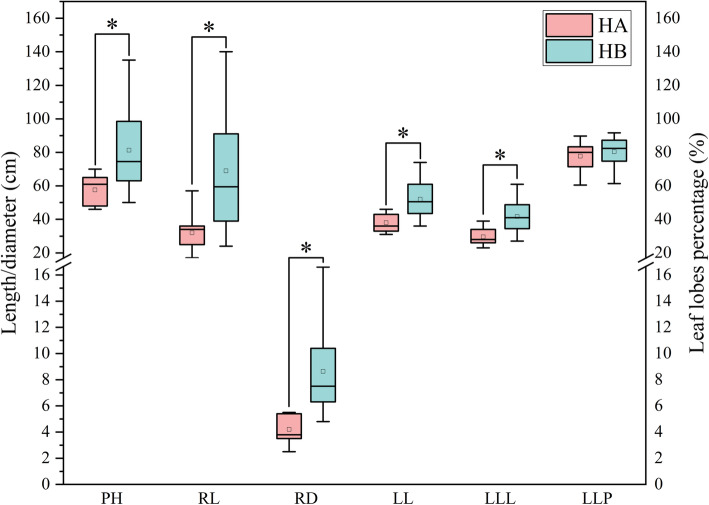
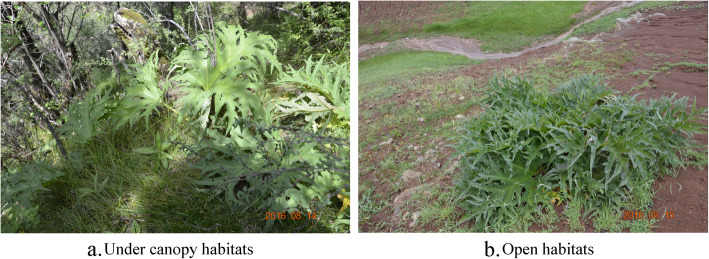
Rheum tanguticum (Rh. tanguticum) is an important traditional Chinese medicine plant, "Dahuang", which contains productive metabolites and occupies wide habitats on the Qinghai-Tibet plateau. Plants occupying wide habitats usually vary in phenotypes such as in morphology and metabolism, thereby developing into different ecotypes. Under canopy and open habitats are a pair of dissimilar habitats which possess Rh. tanguticum plants. However, few studies have focused on the effect of habitats on Rh. tanguticum growth, particularly combining morphological and metabolic changes. This study focused on Rh. tanguticum plants growing in under canopy and open habitats where morphology and metabolism changes were quantified using non-target metabolism methods.
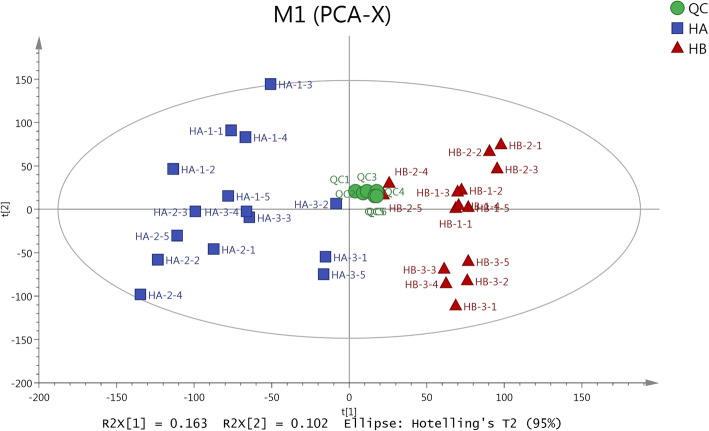
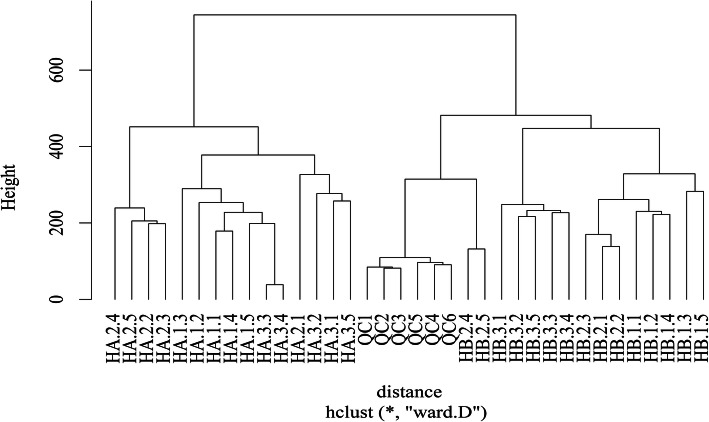
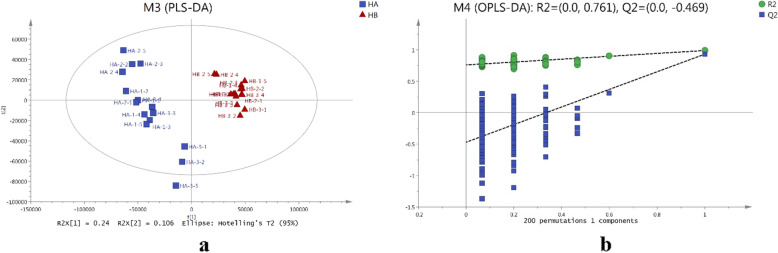
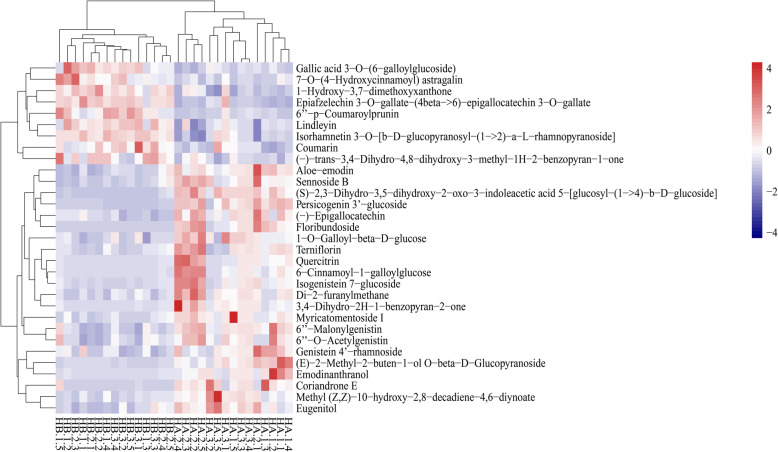
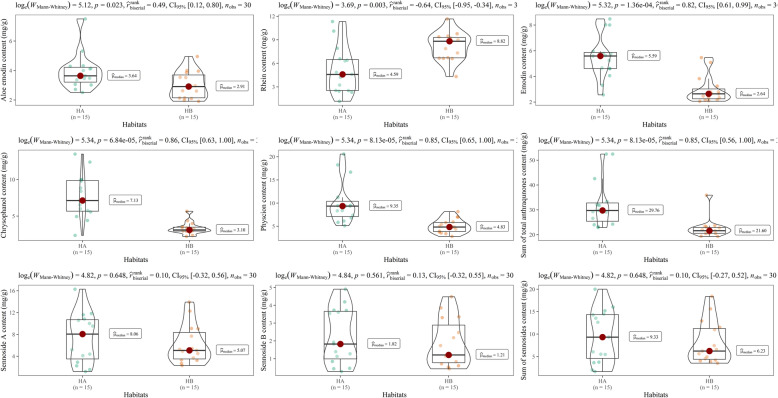
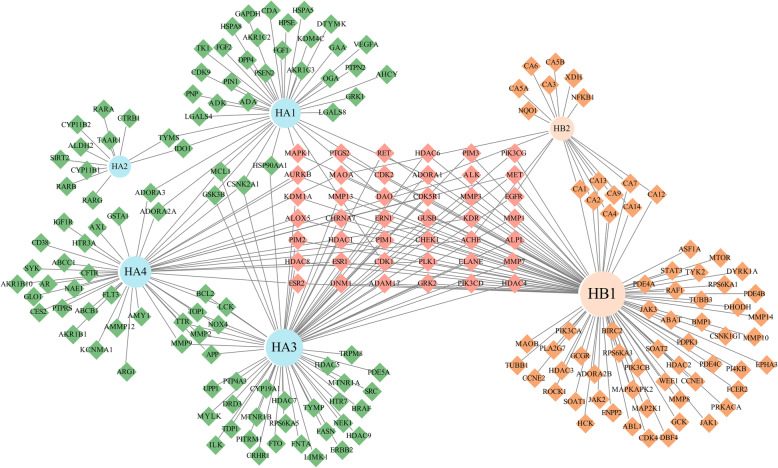
The obtained results indicated that the two dissimilar habitats led to Rh. tanguticum developing into two distinct ecotypes where the morphology and metabolism were simultaneously changed. Under canopy habitats bred morphologically smaller Rh. tanguticum plants which had a higher level of metabolites (22 out of 31) which included five flavonoids, four isoflavonoids, and three anthracenes. On the other hand, the open habitats produced morphologically larger Rh. tanguticum plants having a higher level of metabolites (9 out of 31) including four flavonoids. 6 of the 31 metabolites were predicted to have effect targets, include 4 represent for under canopy habitats and 2 for open habitats. Totally, 208 targets were connected, among which 42 were communal targets for both under canopy and open habitats represent compounds, and 100 and 66 were unique targets for under canopy superior compounds and open habitats superior compounds, respectively. In addition, aloe-emodin, emodin, chrysophanol, physcion, sennoside A and sennoside B were all more accumulated in under canopy habitats, and among which aloe-emodin, emodin, chrysophanol and physcion were significantly higher in under canopy habitats.
This study determined that Rh. tanguticum growing in under canopy and in open habitats developed into two distinct ecotypes with morphological and metabolic differences. Results of network pharmacology study has indicated that "Dahuang" coming from different habitats, such as under canopy and open habitats, are different in effect targets and thus may have different medicinal use. According to target metabolomics, under canopy habitats may grow better "Dahuang".
大黄( Rheum tanguticum )是一种重要的传统中药,“大黄”含有丰富的代谢产物,在青藏高原上占据着广泛的栖息地。占据广泛栖息地的植物通常在形态和代谢等方面表现出不同的表型,从而形成不同的生态型。在冠层下和开阔生境是一对不同的生境,其中都有大黄植物。然而,很少有研究关注栖息地对大黄生长的影响,特别是结合形态和代谢变化。本研究以冠层下和开阔生境中的大黄植物为研究对象,采用非靶向代谢组学方法定量研究形态和代谢变化。
研究结果表明,两种不同的生境导致大黄形成两种不同的生态型,形态和代谢同时发生变化。冠层下的生境培育出形态上较小的大黄植物,其代谢物水平较高(31 种代谢物中有 22 种),包括 5 种黄酮类化合物、4 种异黄酮类化合物和 3 种蒽醌类化合物。另一方面,开阔生境产生的大黄植物形态较大,代谢物水平较高(31 种代谢物中有 9 种),包括 4 种黄酮类化合物。31 种代谢物中有 6 种被预测有作用靶点,其中 4 种代表冠层下生境,2 种代表开阔生境。总共连接了 208 个靶点,其中 42 个是冠层下和开阔生境的共有靶点,分别有 100 个和 66 个是冠层下优势化合物和开阔生境优势化合物的特有靶点。此外,芦荟大黄素、大黄素、大黄酸、大黄素甲醚、番泻苷 A 和番泻苷 B 在冠层下生境中均有较高的积累,其中芦荟大黄素、大黄素、大黄酸和大黄素甲醚在冠层下生境中含量显著较高。
本研究表明,生长在冠层下和开阔生境中的大黄形成了两种具有形态和代谢差异的不同生态型。网络药理学研究结果表明,来自不同生境(如冠层下和开阔生境)的大黄在作用靶点上存在差异,因此可能具有不同的药用价值。根据靶标代谢组学研究,冠层下生境可能更适合生长“大黄”。