Department of Pathology, Soochow University Medical School, Suzhou, China.
Department of Pathology, Guangdong General Hospital, Guangzhou, China.
Cell Mol Gastroenterol Hepatol. 2021;12(1):251-276. doi: 10.1016/j.jcmgh.2021.02.008. Epub 2021 Feb 27.
BACKGROUND & AIMS: The circadian clock is crucial for physiological homeostasis including gut homeostasis. Disorder of the circadian clock may contribute to many diseases including inflammatory bowel disease (IBD). However, the role and the mechanisms of circadian clock involvement in IBD still are unclear.
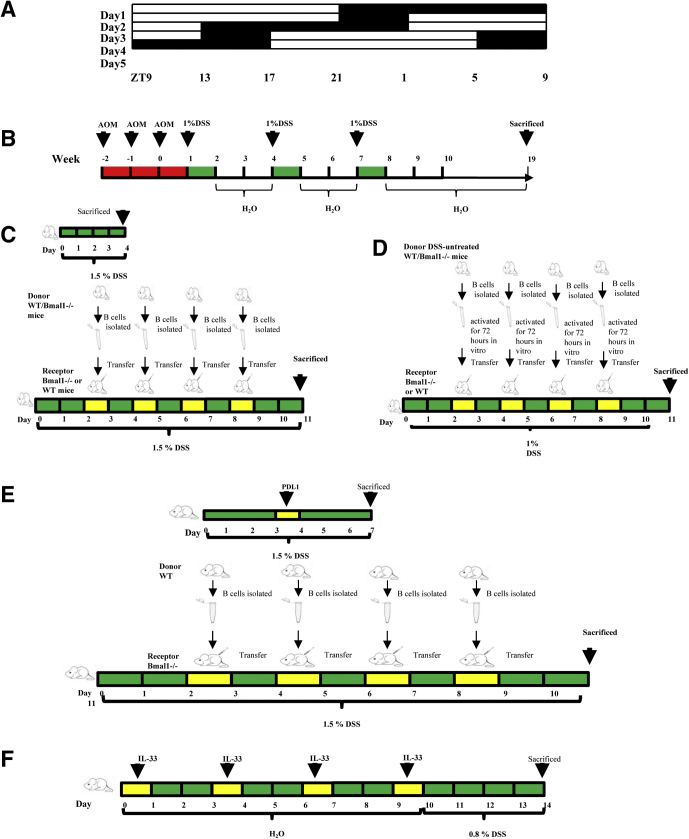
Disorder of the circadian clock including chronic social jet lag and circadian clock gene deficiency mice (Bmal1, and Per1Per2) were established. Dextran sulfate sodium (DSS) and/or azoxymethane were used to induce mouse models of colitis and its associated colorectal cancer. Flow cytometry, immunohistochemistry, immunofluorescence, Western blot, and reverse-transcription quantitative polymerase chain reaction were used to analyze the characteristics of immune cells and their related molecules.
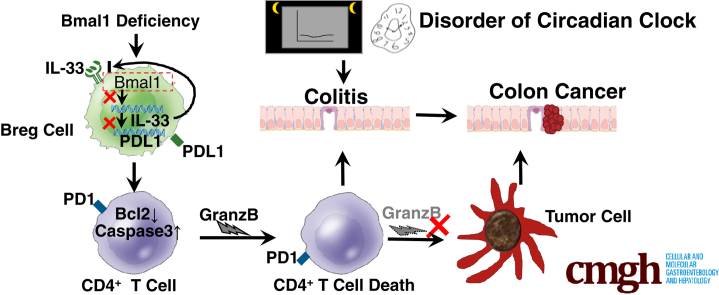
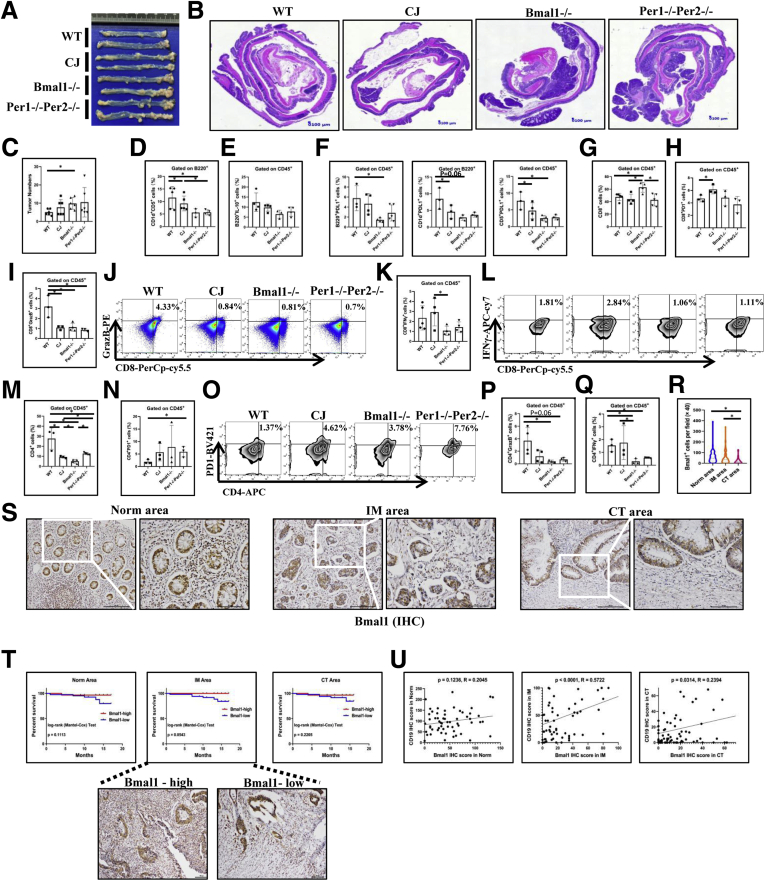
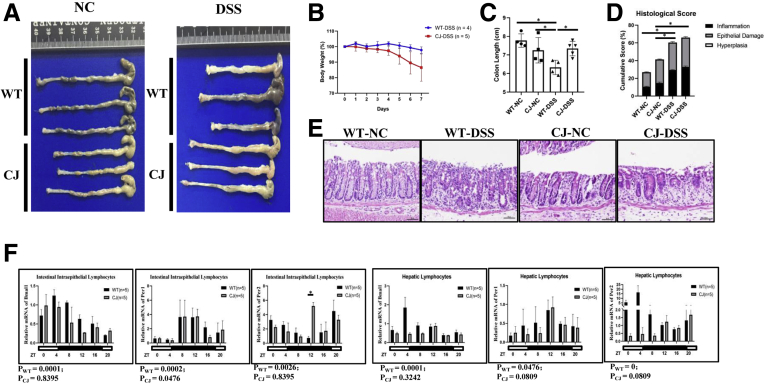
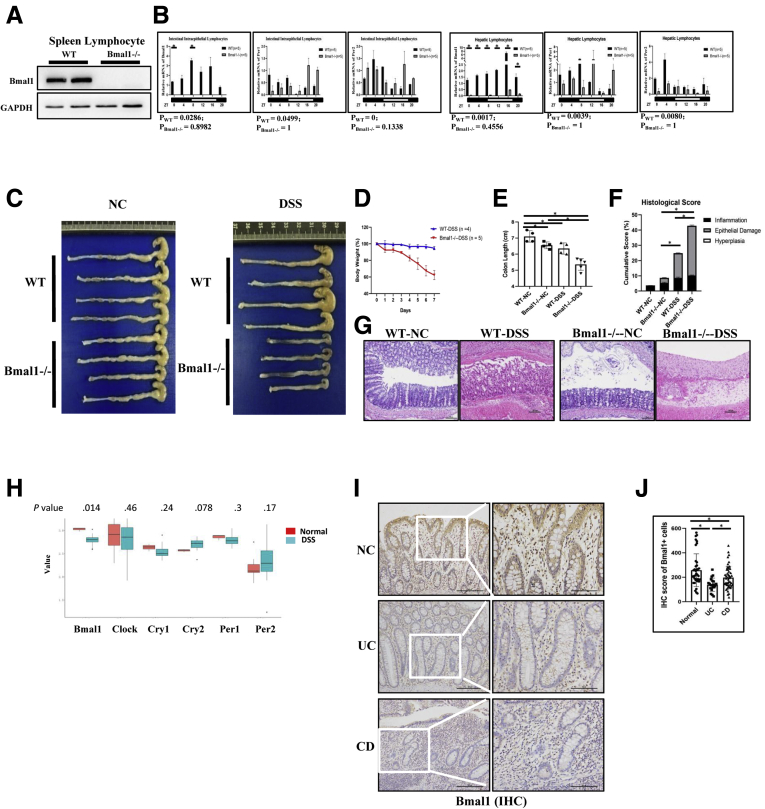
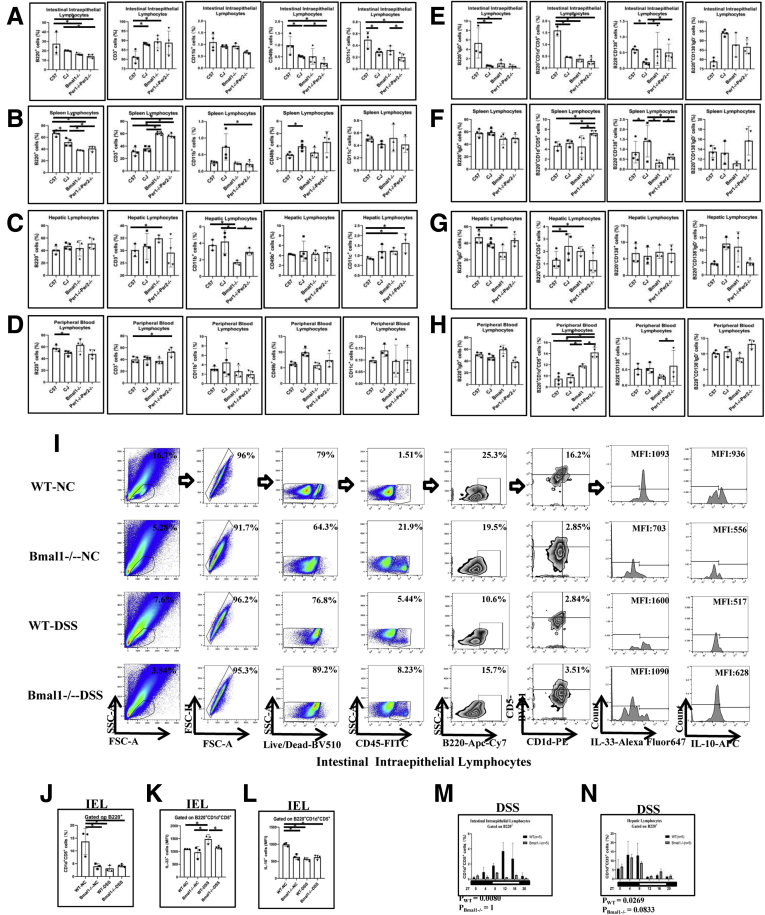
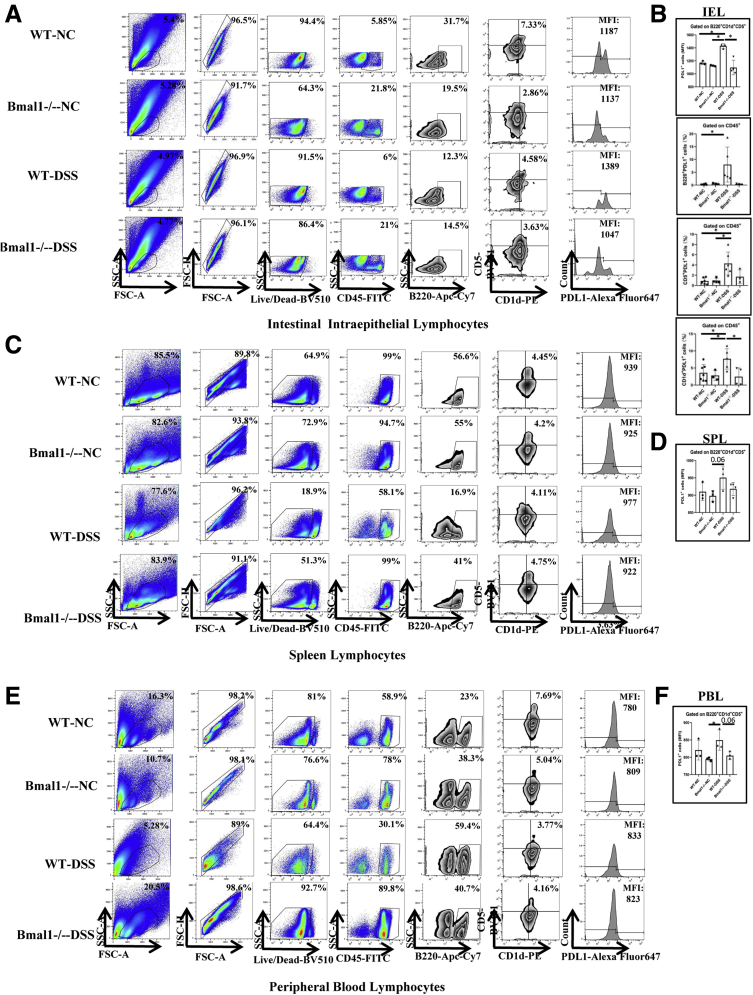
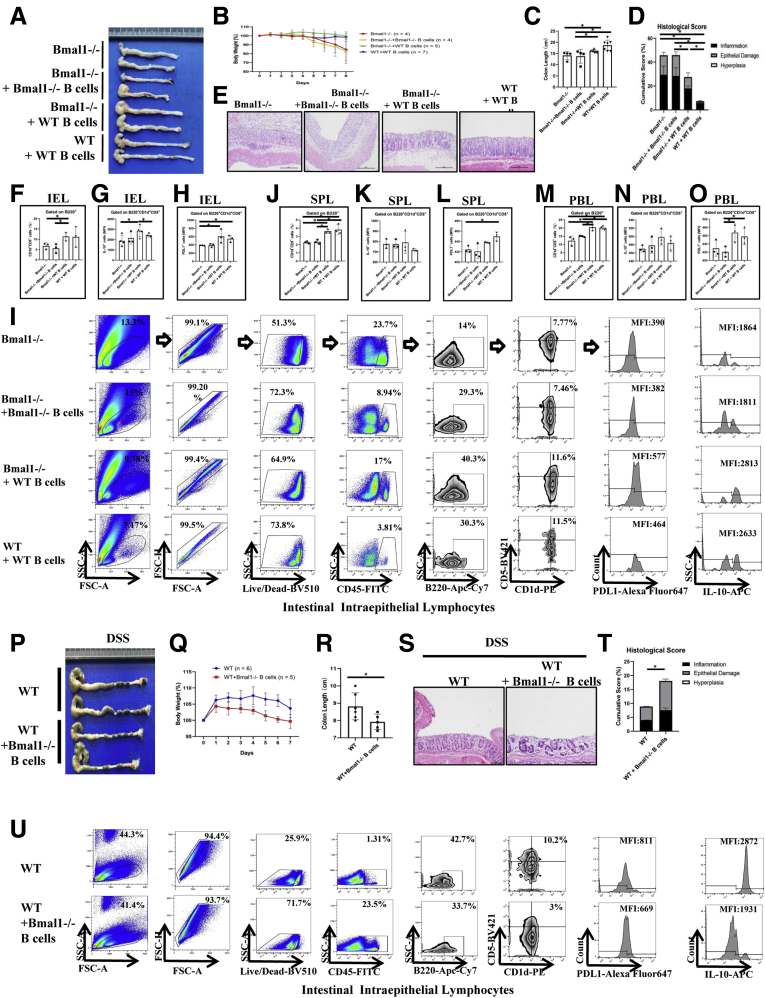
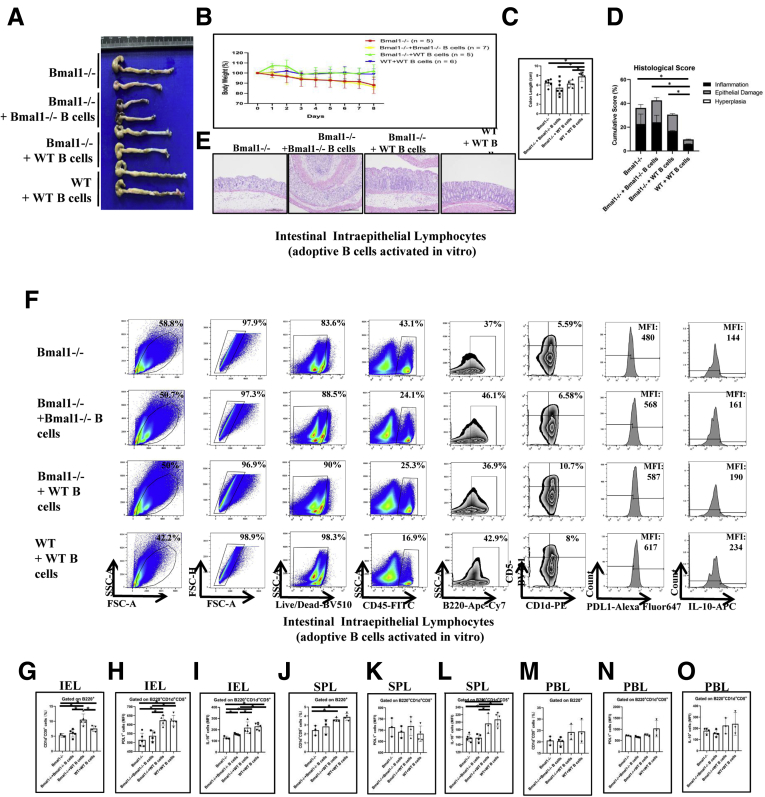
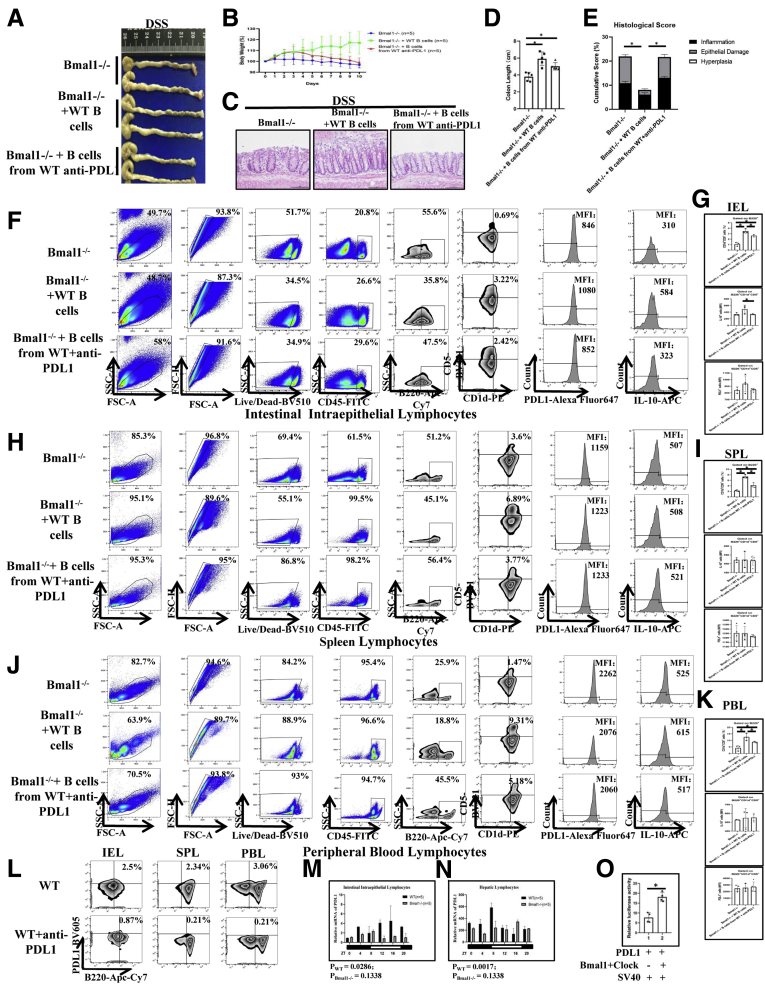
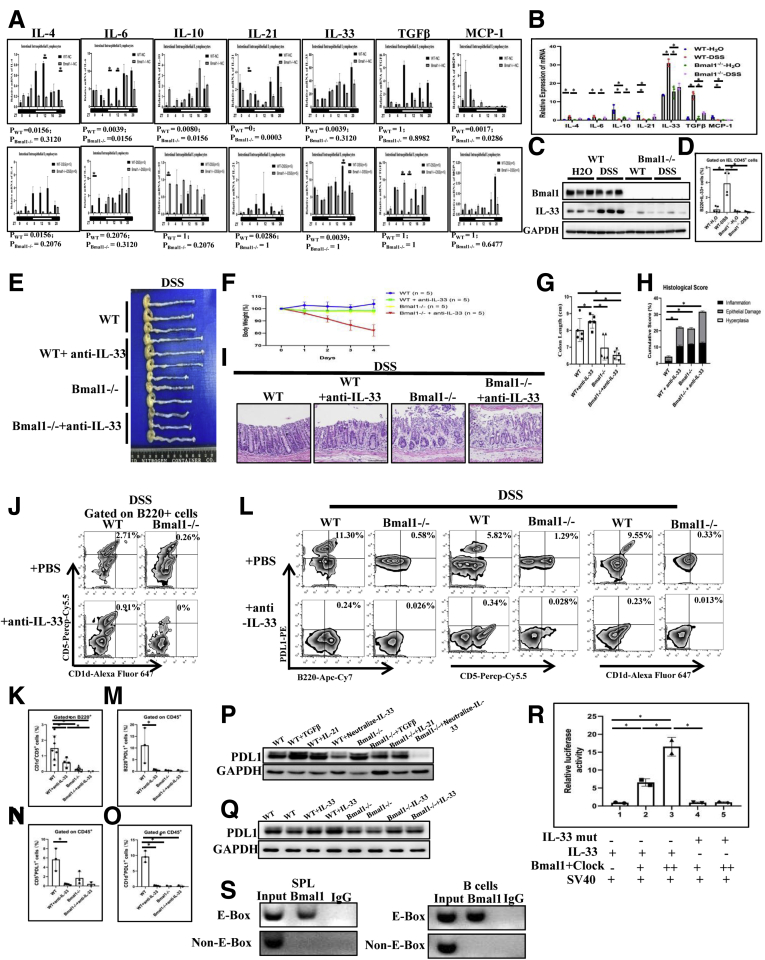
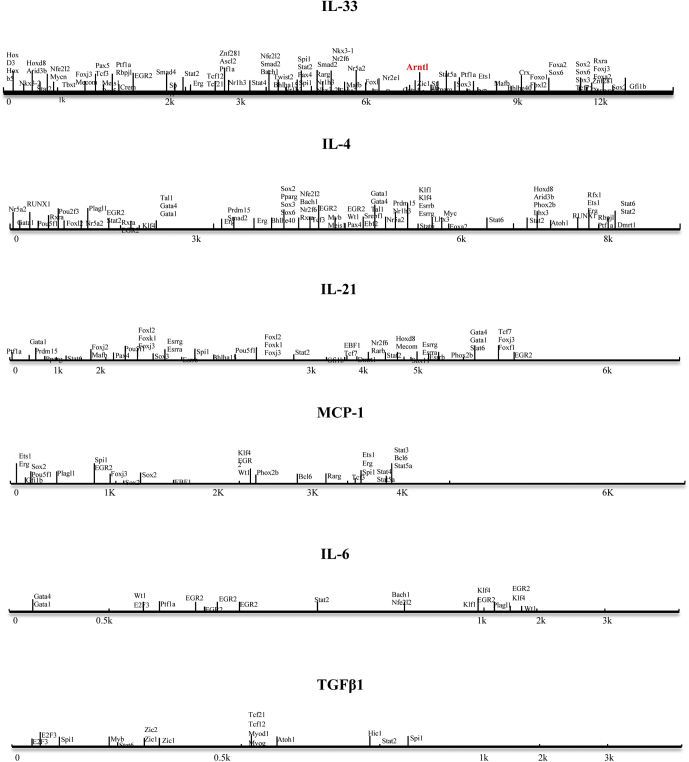
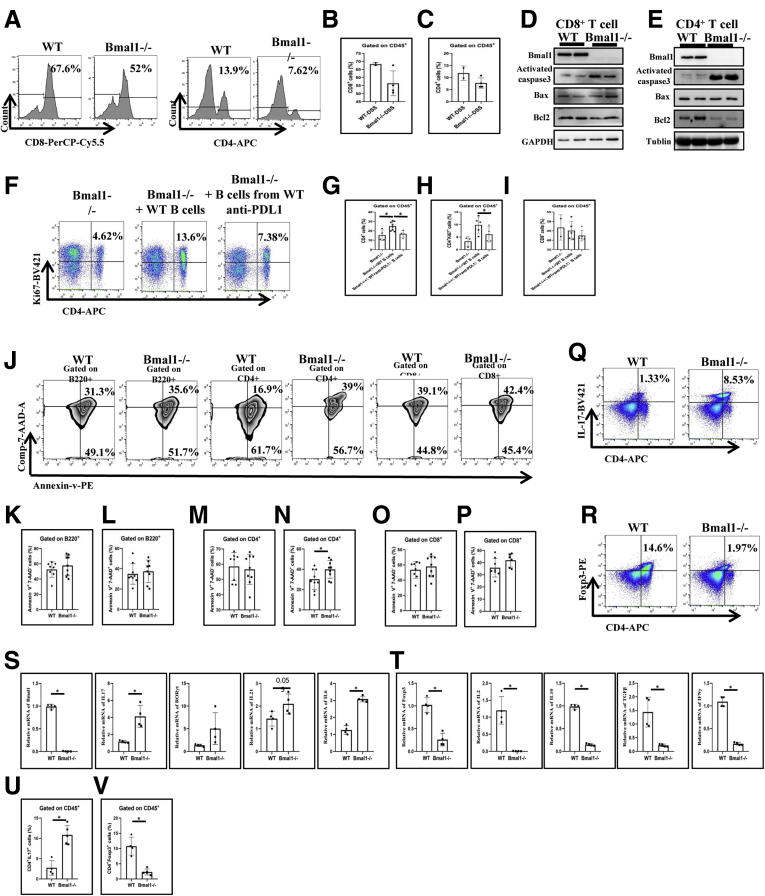
Mice with disorders of the circadian clock including chronic social jet lag and circadian clock gene deficiency were susceptible to colitis. Functionally, regulatory B (Breg) cells highly expressing Programmed cell death 1 ligand 1 (PDL1) in intestinal intraepithelial lymphocytes (IELs) helped to alleviate the severity of colitis after DSS treatment and was dysregulated in DSS-treated Bmal1 mice. Notably, interleukin 33 in the intestinal microenvironment was key for Bmal1-regulated PDL1 Breg cells and interleukin 33 was a target of Bmal1 transcriptionally. Dysregulated PDL1 B cells induced cell death of activated CD4 T cells in DSS-treated Bmal1 mice. Consequently, circadian clock disorder was characterized as decreased numbers of Breg PDL1 cells in IELs and dysfunction of CD4 T cells promoted colitis-associated colorectal cancer (CRC) in mice. In clinical samples from CRC patients, low expression of Bmal1 gene in paracancerous tissues and center area of tumor was associated closely with a poorer prognosis of CRC patients.
Our study uncovers the importance of the circadian clock regulating PDL1 Breg cells of IELs in IBD and IBD-associated CRC.
生物钟对于包括肠道内稳态在内的生理内稳态至关重要。生物钟紊乱可能导致许多疾病,包括炎症性肠病(IBD)。然而,生物钟紊乱在 IBD 中的作用和机制尚不清楚。
建立了包括慢性社交时差和生物钟基因缺陷小鼠(Bmal1 和 Per1Per2)在内的生物钟紊乱模型。使用葡聚糖硫酸钠(DSS)和/或氧化偶氮甲烷诱导结肠炎及其相关结直肠癌的小鼠模型。采用流式细胞术、免疫组织化学、免疫荧光、Western blot 和逆转录定量聚合酶链反应分析免疫细胞及其相关分子的特征。
患有包括慢性社交时差和生物钟基因缺陷在内的生物钟紊乱的小鼠易患结肠炎。功能上,肠道上皮内淋巴细胞(IEL)中高表达程序性细胞死亡蛋白 1 配体 1(PDL1)的调节性 B(Breg)细胞有助于减轻 DSS 处理后结肠炎的严重程度,并在 DSS 处理的 Bmal1 小鼠中失调。值得注意的是,肠道微环境中的白细胞介素 33 是 Bmal1 调节的 PDL1 Breg 细胞的关键,白细胞介素 33 是 Bmal1 转录的靶标。在 DSS 处理的 Bmal1 小鼠中,失调的 PDL1 B 细胞诱导活化的 CD4 T 细胞发生细胞死亡。因此,生物钟紊乱的特征是 IEL 中 Breg PDL1 细胞数量减少,CD4 T 细胞功能障碍,促进了小鼠结肠炎相关结直肠癌(CRC)的发生。在 CRC 患者的临床样本中,癌旁组织和肿瘤中心区域中 Bmal1 基因的低表达与 CRC 患者的预后密切相关。
本研究揭示了生物钟调节 IEL 中 PDL1 Breg 细胞在 IBD 和 IBD 相关 CRC 中的重要性。