Department of Experimental Clinical and Health Psychology, Ghent University, Henri Dunantlaan 2, 9000, Ghent, Belgium.
EXPLORA, Ghent University, Ghent, Belgium.
Mol Autism. 2021 Mar 3;12(1):21. doi: 10.1186/s13229-021-00424-y.
Previous studies have reported a negative psychological and mental health impact of the COVID-19 pandemic. This impact is likely to be stronger for people with autism as they are at heightened risk of mental health problems and because the pandemic directly affects social functioning and everyday routines. We therefore examined COVID-19 pandemic-related changes in mental health, the impact of the pandemic on their social life and routines, satisfaction with pandemic-related information and tips, and participants' wishes for guidance.
We used a mixed-method approach, collecting quantitative and qualitative survey data from adults with and without autism across three European countries: Belgium, the Netherlands, and the UK (N = 1044).
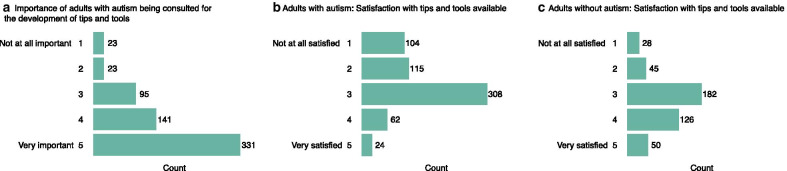
We found an increase in depression and anxiety symptoms in response to the pandemic for both the non-autism and the autism group, which was greater for adults with autism. Furthermore, adults with autism showed a greater increase in worries about their pets, work, getting medication and food, and their own safety/security. They felt more relieved from social stress, yet experienced the loss of social contact as difficult. Adults with autism also felt more stressed about the loss of routines. Pleasant changes noted by adults with autism were the increase in solidarity and reduced sensory and social overload. Adults with autism frequently reported problems with cancellation of guidance due to the pandemic and expressed their wish for (more) autism-specific information and advice.
Our sample is likely to reflect some degree of selection bias, and longitudinal studies are needed to determine long-term effects.
Results highlight the psychological burden of the pandemic on adults with autism and shed light on how to support them during this COVID-19 pandemic, which is especially important now that the pandemic is likely to have a prolonged course. There is a need for accessible, affordable (continued) support from health services. Guidance may focus on the maintenance of a social network, and adjusting routines to the rapid ongoing changes. Finally, we may learn from the COVID-19 pandemic-related changes experienced as pleasant by adults with autism to build a more autism-friendly society post-pandemic.
先前的研究报告了 COVID-19 大流行对心理健康的负面影响。由于自闭症患者患心理健康问题的风险较高,且大流行直接影响社交功能和日常生活,因此这种影响可能对他们更强。因此,我们研究了 COVID-19 大流行相关的心理健康变化、大流行对他们社交生活和日常生活的影响、对大流行相关信息和建议的满意度,以及参与者对指导的愿望。
我们使用混合方法,从三个欧洲国家(比利时、荷兰和英国)的自闭症患者和非自闭症患者中收集定量和定性调查数据(N=1044)。
我们发现,无论是非自闭症患者还是自闭症患者,大流行期间抑郁和焦虑症状都有所增加,而自闭症患者的增加幅度更大。此外,自闭症患者对宠物、工作、获取药物和食物以及自身安全/保障的担忧增加更多。他们感到社交压力减轻,但同时也感到社交接触的丧失很困难。自闭症患者也对日常生活的丧失感到更大的压力。自闭症患者注意到的愉快变化是团结感的增强和感官和社交过载的减少。自闭症患者经常报告由于大流行取消指导的问题,并表示希望获得(更多)针对自闭症的信息和建议。
我们的样本可能反映出一定程度的选择偏差,需要进行纵向研究来确定长期影响。
结果强调了大流行对自闭症成人的心理负担,并揭示了如何在 COVID-19 大流行期间为他们提供支持,由于大流行可能会持续很长时间,因此这一点尤为重要。需要来自卫生服务部门的可及、负担得起的(持续)支持。指导可以侧重于维护社交网络,并根据快速变化的情况调整日常生活。最后,我们可以从自闭症患者经历的与 COVID-19 大流行相关的愉快变化中吸取经验,在大流行后建立一个更适合自闭症患者的社会。