Saydé Tarek, El Hamoui Omar, Alies Bruno, Gaudin Karen, Lespes Gaëtane, Battu Serge
EA3842-CAPTuR, GEIST, Faculté de Médecine, Université de Limoges, 2 rue du Dr Marcland, 87025 Limoges, France.
ARNA, INSERM U1212, UMR CNRS 5320, Université de Bordeaux, 146 rue Léo Saignat, 33076 Bordeaux, France.
Nanomaterials (Basel). 2021 Feb 13;11(2):481. doi: 10.3390/nano11020481.
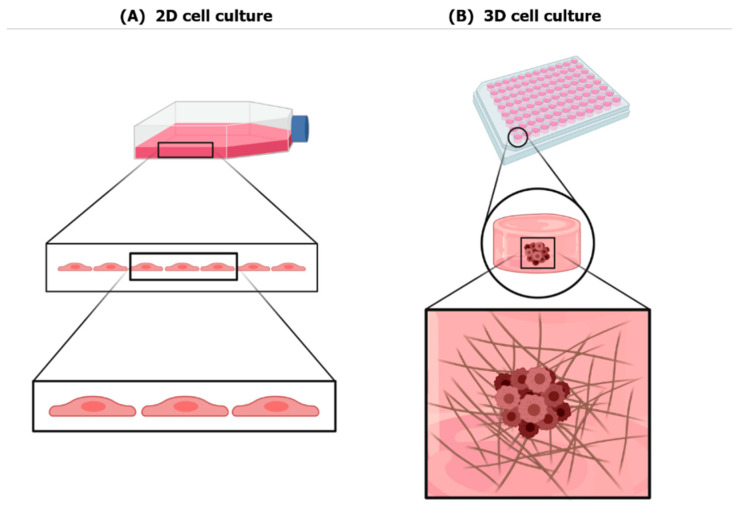
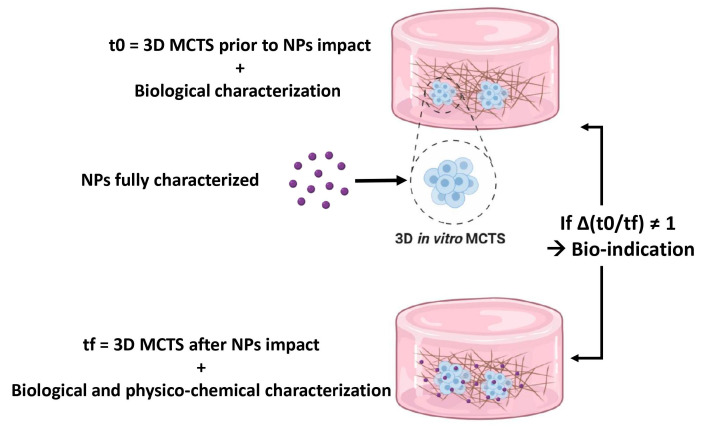
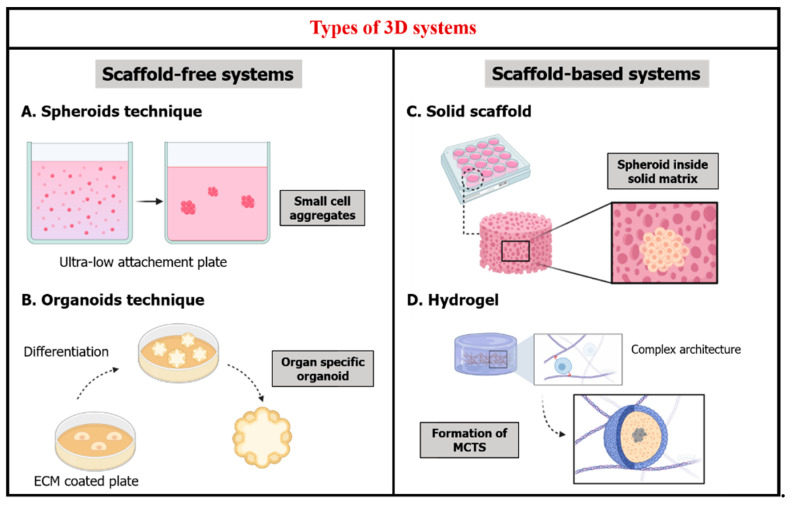
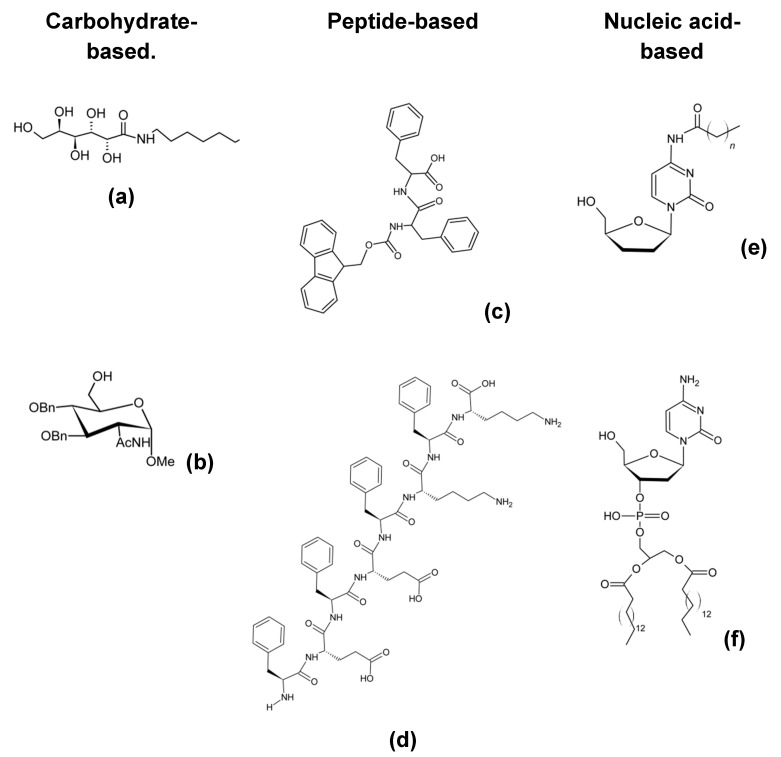
Three-dimensional cell culture has revolutionized cellular biology research and opened the door to novel discoveries in terms of cellular behavior and response to microenvironment stimuli. Different types of 3D culture exist today, including hydrogel scaffold-based models, which possess a complex structure mimicking the extracellular matrix. These hydrogels can be made of polymers (natural or synthetic) or low-molecular weight gelators that, via the supramolecular assembly of molecules, allow the production of a reproducible hydrogel with tunable mechanical properties. When cancer cells are grown in this type of hydrogel, they develop into multicellular tumor spheroids (MCTS). Three-dimensional (3D) cancer culture combined with a complex microenvironment that consists of a platform to study tumor development and also to assess the toxicity of physico-chemical entities such as ions, molecules or particles. With the emergence of nanoparticles of different origins and natures, implementing a reproducible in vitro model that consists of a bio-indicator for nano-toxicity assays is inevitable. However, the maneuver process of such a bio-indicator requires the implementation of a repeatable system that undergoes an exhaustive follow-up. Hence, the biggest challenge in this matter is the reproducibility of the MCTS and the associated full-scale characterization of this system's components.
三维细胞培养彻底改变了细胞生物学研究,并为细胞行为和对微环境刺激的反应方面的新发现打开了大门。如今存在不同类型的三维培养,包括基于水凝胶支架的模型,其具有模仿细胞外基质的复杂结构。这些水凝胶可以由聚合物(天然或合成的)或低分子量凝胶剂制成,这些凝胶剂通过分子的超分子组装,能够生产出具有可调机械性能的可重现水凝胶。当癌细胞在这种类型的水凝胶中生长时,它们会发育成多细胞肿瘤球体(MCTS)。三维(3D)癌症培养结合了一个复杂的微环境,该微环境由一个用于研究肿瘤发展以及评估离子、分子或颗粒等物理化学实体毒性的平台组成。随着不同来源和性质的纳米颗粒的出现,建立一个由用于纳米毒性测定的生物指示剂组成的可重现体外模型是不可避免的。然而,这种生物指示剂的操作过程需要实施一个可重复的系统,并进行详尽的跟踪。因此,在这个问题上最大的挑战是MCTS的可重复性以及该系统组件的相关全面表征。