Department of Cancer Systems Imaging, University of Texas MD Anderson Cancer Center, Houston, TX 77030, USA.
Department of Imaging Physics, University of Texas MD Anderson Cancer Center, Houston, TX 77030, USA.
Cells. 2021 Feb 25;10(3):489. doi: 10.3390/cells10030489.
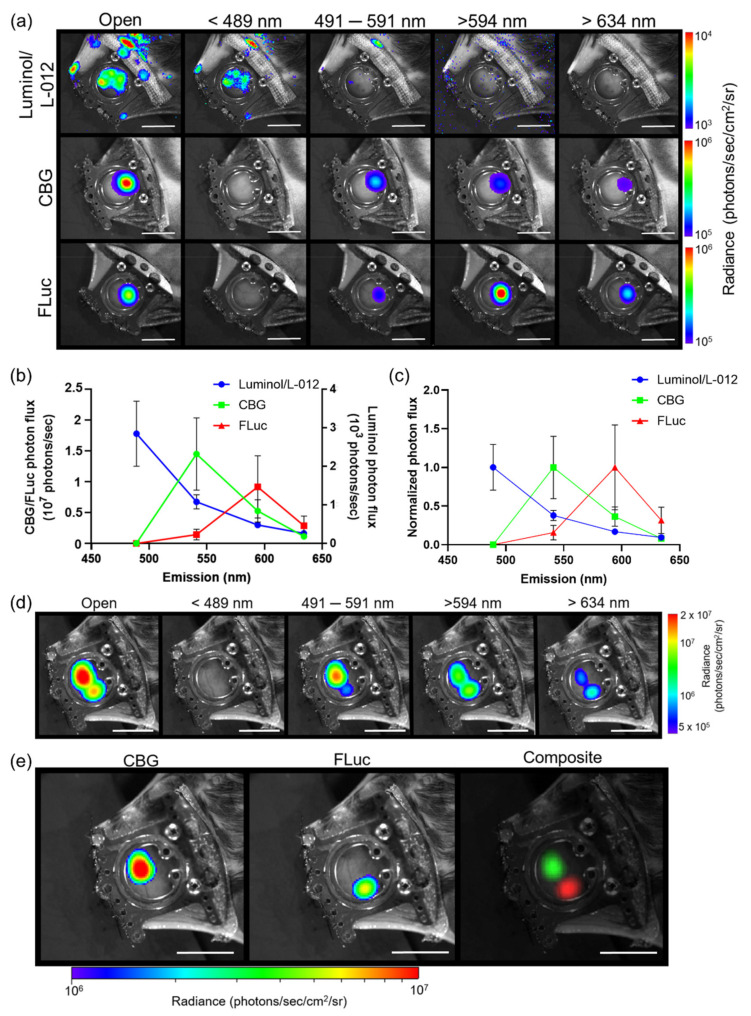
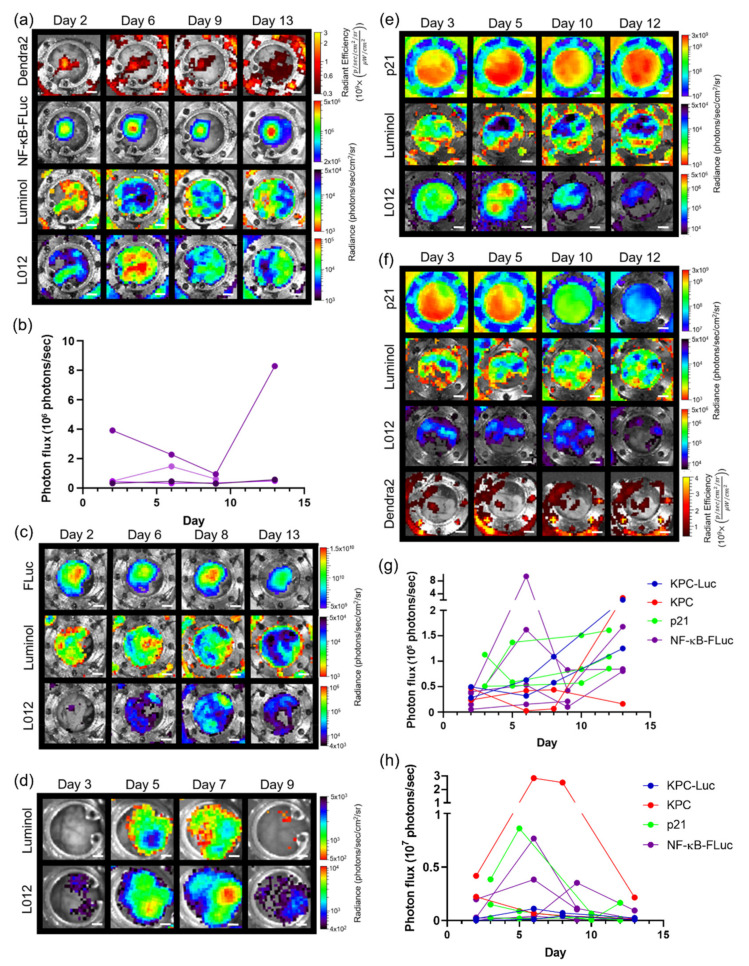
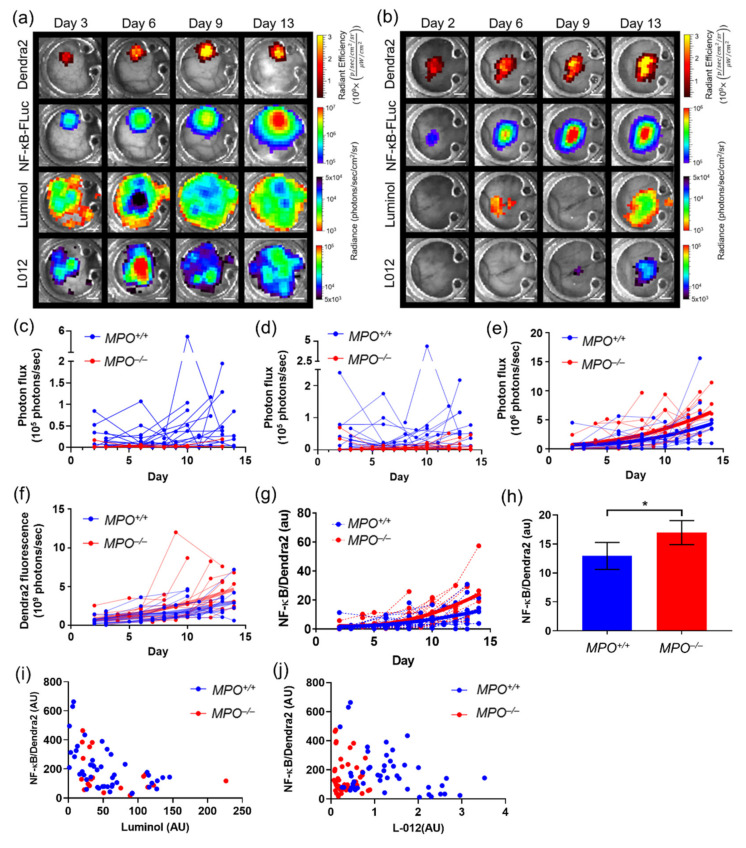
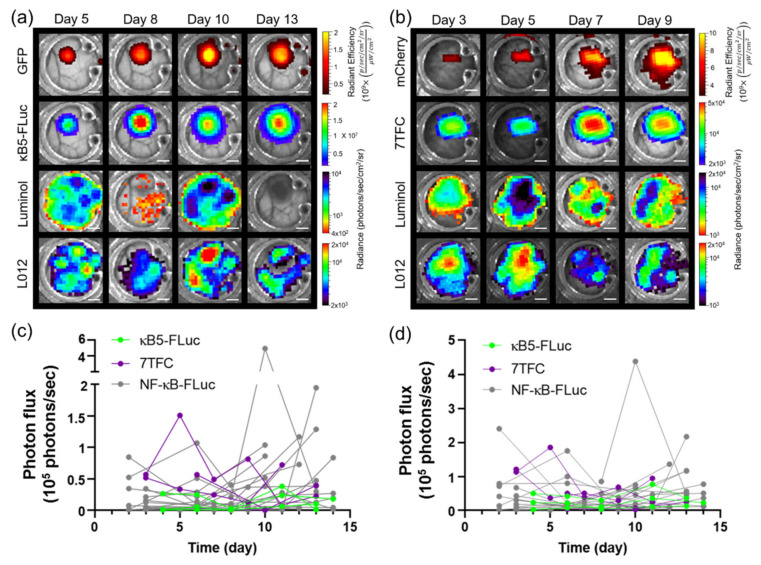
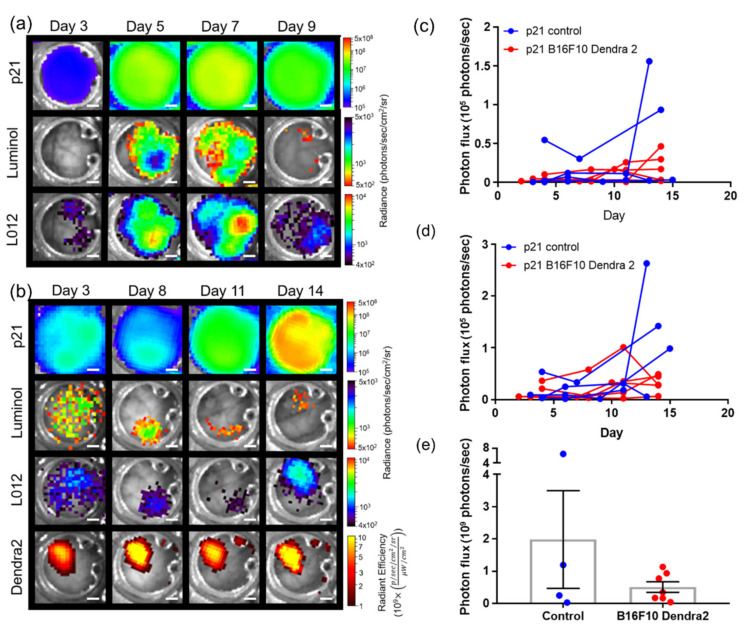
A major obstacle in studying the interplay between cancer cells and the immune system has been the examination of proposed biological pathways and cell interactions in a dynamic, physiologically relevant system in vivo. Intravital imaging strategies are one of the few molecular imaging techniques that can follow biological processes at cellular resolution over long periods of time in the same individual. Bioluminescence imaging has become a standard preclinical in vivo optical imaging technique with ever-expanding versatility as a result of the development of new emission bioluminescent reporters, advances in genomic techniques, and technical improvements in bioluminescence imaging and processing methods. Herein, we describe an advance of technology with a molecular imaging window chamber platform that combines bioluminescent and fluorescent reporters with intravital macro-imaging techniques and bioluminescence spectral unmixing in real time applied to heterogeneous living systems in vivo for evaluating tumor signaling dynamics and immune cell enzyme activities concurrently.
在研究癌细胞与免疫系统相互作用的过程中,主要的障碍是在体内动态、生理相关的系统中检查所提出的生物途径和细胞相互作用。活体成像策略是少数几种能够在同一个体中长时间以细胞分辨率跟踪生物过程的分子成像技术之一。由于新型发射生物发光报告基因的开发、基因组技术的进步以及生物发光成像和处理方法的技术改进,生物发光成像已成为一种标准的临床前体内光学成像技术,其多功能性不断扩展。在此,我们描述了一种技术上的进步,该进步结合了生物发光和荧光报告基因,以及活体宏观成像技术和实时的生物发光光谱解混,应用于体内异质活体系统,以评估肿瘤信号动力学和免疫细胞酶活性。