Tabacchioni Silvia, Passato Stefania, Ambrosino Patrizia, Huang Liren, Caldara Marina, Cantale Cristina, Hett Jonas, Del Fiore Antonella, Fiore Alessia, Schlüter Andreas, Sczyrba Alexander, Maestri Elena, Marmiroli Nelson, Neuhoff Daniel, Nesme Joseph, Sørensen Søren Johannes, Aprea Giuseppe, Nobili Chiara, Presenti Ombretta, Giovannetti Giusto, Giovannetti Caterina, Pihlanto Anne, Brunori Andrea, Bevivino Annamaria
Department for Sustainability, ENEA, Italian National Agency for New Technologies, Energy and Sustainable Economic Development, Casaccia Research Center, 00123 Rome, Italy.
AGRIGES srl, 82035 San Salvatore Telesino, Italy.
Microorganisms. 2021 Feb 19;9(2):426. doi: 10.3390/microorganisms9020426.
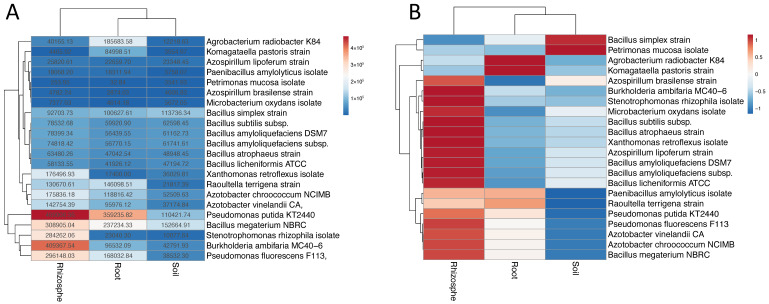
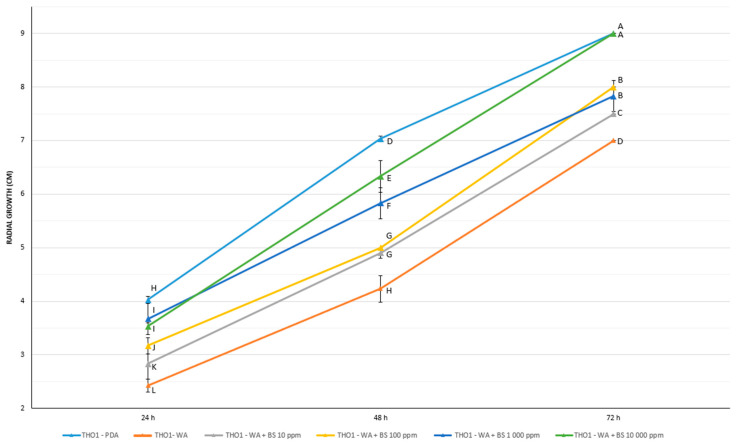
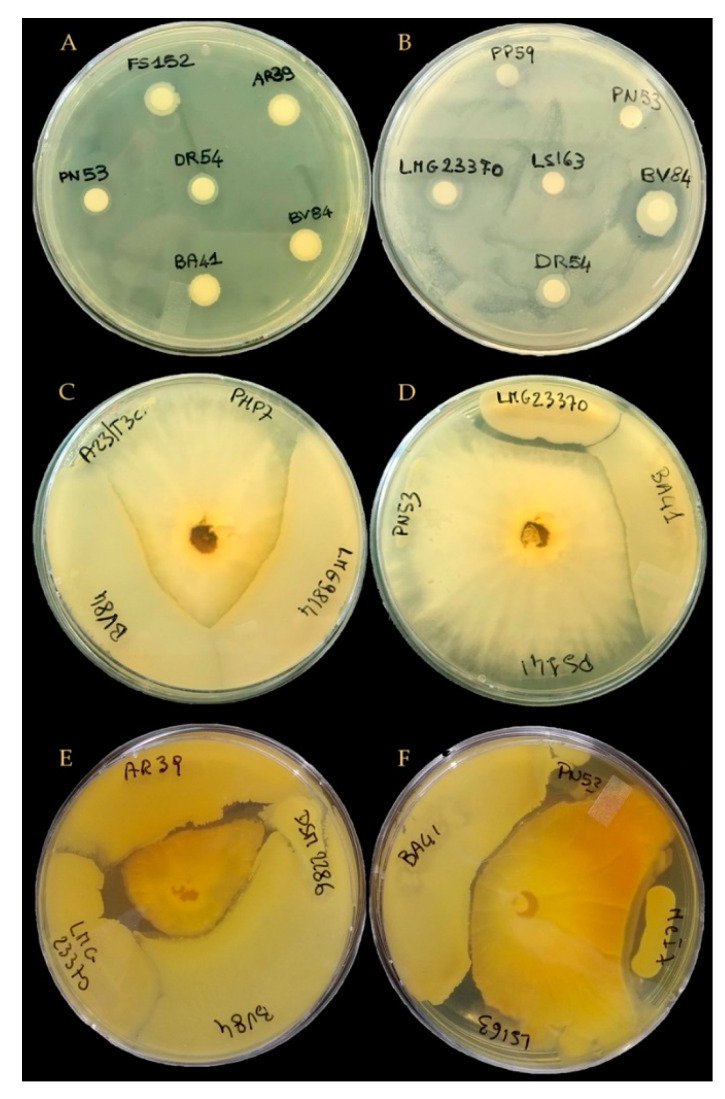
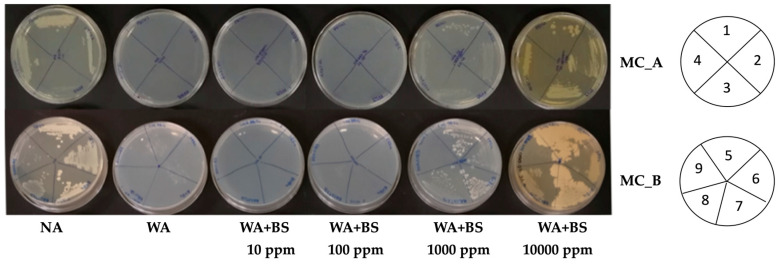
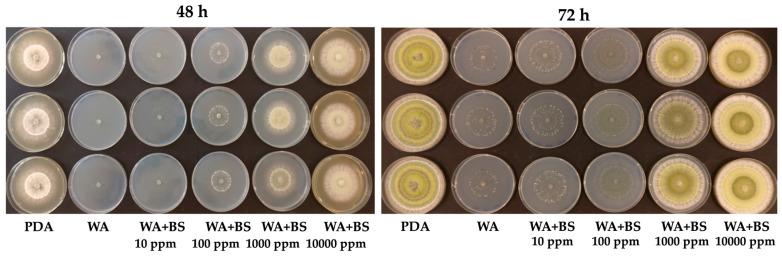
A growing body of evidence demonstrates the potential of various microbes to enhance plant productivity in cropping systems although their successful field application may be impaired by several biotic and abiotic constraints. In the present work, we aimed at developing multifunctional synthetic microbial consortia to be used in combination with suitable bioactive compounds for improving crop yield and quality. Plant growth-promoting microorganisms (PGPMs) with different functional attributes were identified by a bottom-up approach. A comprehensive literature survey on PGPMs associated with maize, wheat, potato and tomato, and on commercial formulations, was conducted by examining peer-reviewed scientific publications and results from relevant European projects. Metagenome fragment recruitments on genomes of potential PGPMs represented in databases were also performed to help identify plant growth-promoting (PGP) strains. Following evidence of their ability to coexist, isolated PGPMs were synthetically assembled into three different microbial consortia. Additionally, the effects of bioactive compounds on the growth of individually PGPMs were tested in starvation conditions. The different combination products based on microbial and non-microbial biostimulants (BS) appear worth considering for greenhouse and open field trials to select those potentially adoptable in sustainable agriculture.
越来越多的证据表明,各种微生物有潜力提高种植系统中的作物产量,尽管它们在田间的成功应用可能会受到一些生物和非生物限制因素的影响。在本研究中,我们旨在开发多功能合成微生物群落,将其与合适的生物活性化合物结合使用,以提高作物产量和品质。通过自下而上的方法鉴定了具有不同功能特性的植物生长促进微生物(PGPMs)。通过查阅同行评审的科学出版物和相关欧洲项目的结果,对与玉米、小麦、马铃薯和番茄相关的PGPMs以及商业配方进行了全面的文献调查。还对数据库中潜在PGPMs基因组进行宏基因组片段招募,以帮助鉴定植物生长促进(PGP)菌株。在证明它们能够共存之后,将分离出的PGPMs合成组装成三种不同的微生物群落。此外,还在饥饿条件下测试了生物活性化合物对单个PGPMs生长的影响。基于微生物和非微生物生物刺激剂(BS)的不同组合产品似乎值得在温室和田间试验中考虑,以选择那些可能适用于可持续农业的产品。