Mancini Marco, Cherubino Patrizia, Cartocci Giulia, Martinez Ana, Borghini Gianluca, Guastamacchia Elena, di Flumeri Gianluca, Rossi Dario, Modica Enrica, Menicocci Stefano, Lupo Viviana, Trettel Arianna, Babiloni Fabio
BrainSigns Srl, Via Lungotevere Michelangelo, 9, 00192 Rome, Italy.
Department of Economics, Management and Business Law, University of Bari Aldo Moro (UniBa), Via Camillo Rosalba, 53, 70124 Bari, Italy.
Brain Sci. 2021 Feb 18;11(2):256. doi: 10.3390/brainsci11020256.
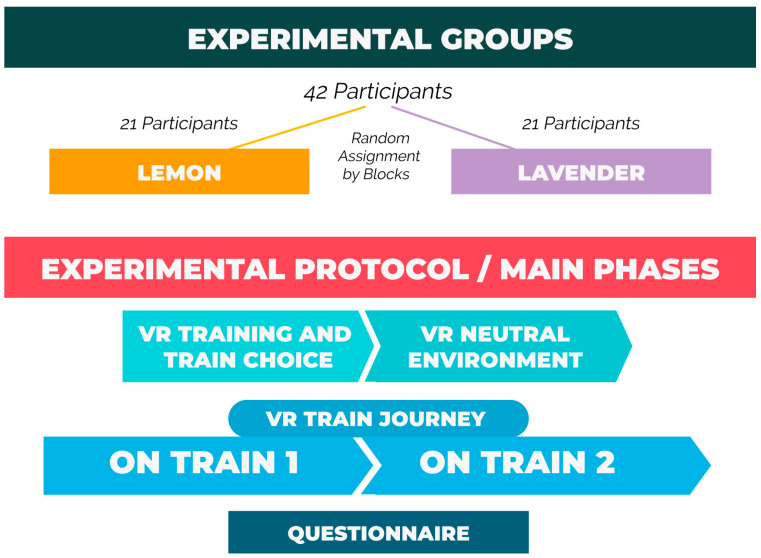
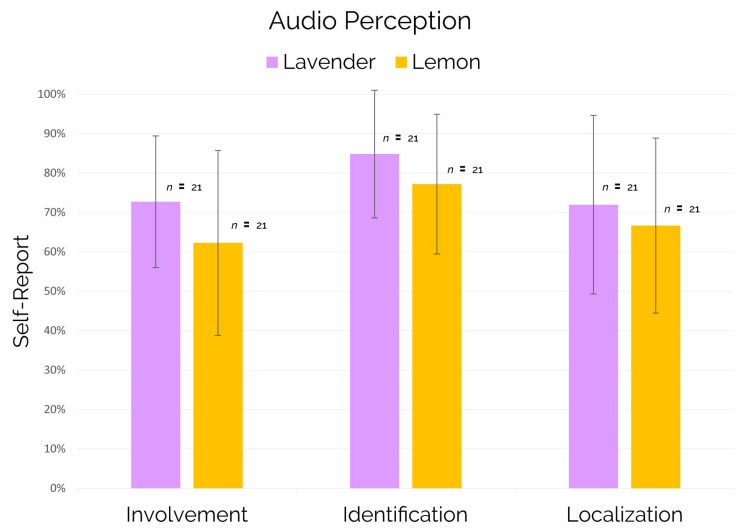
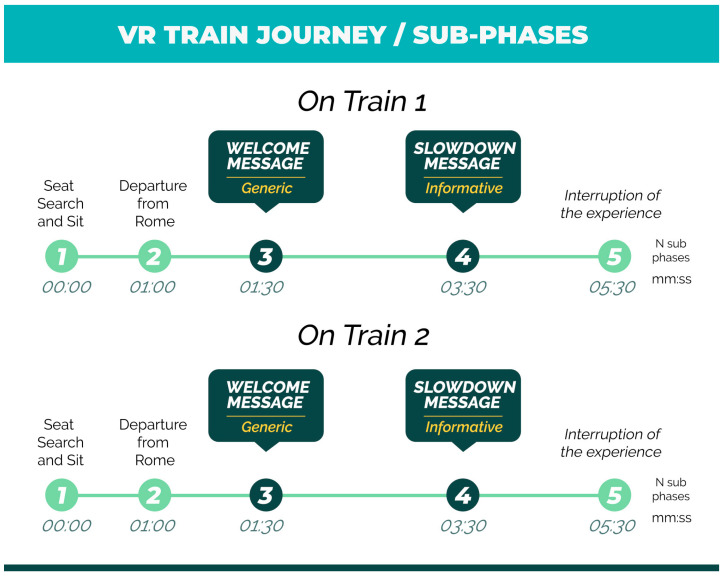
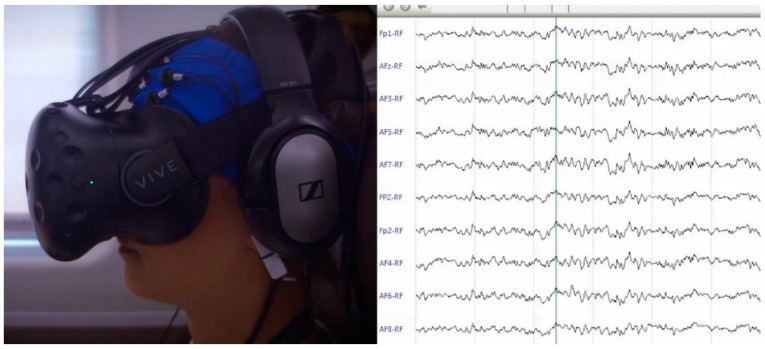
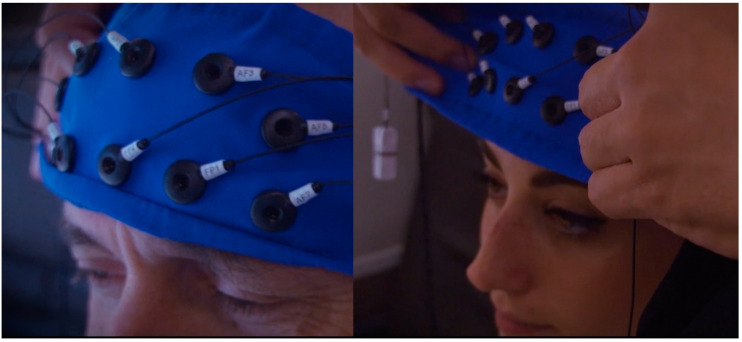
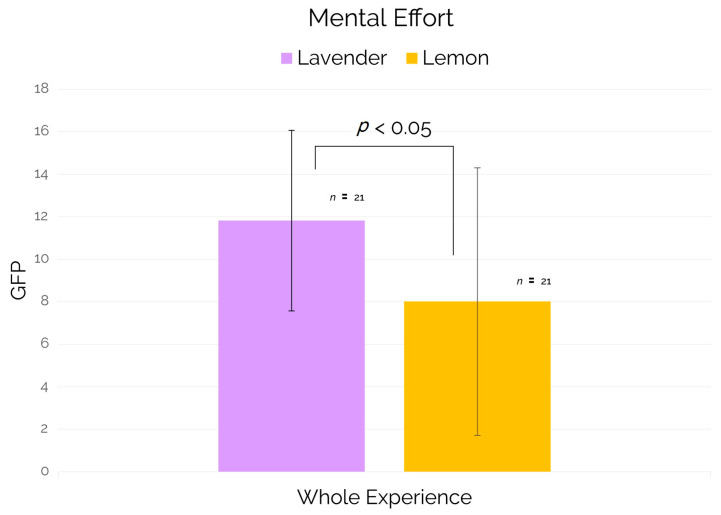
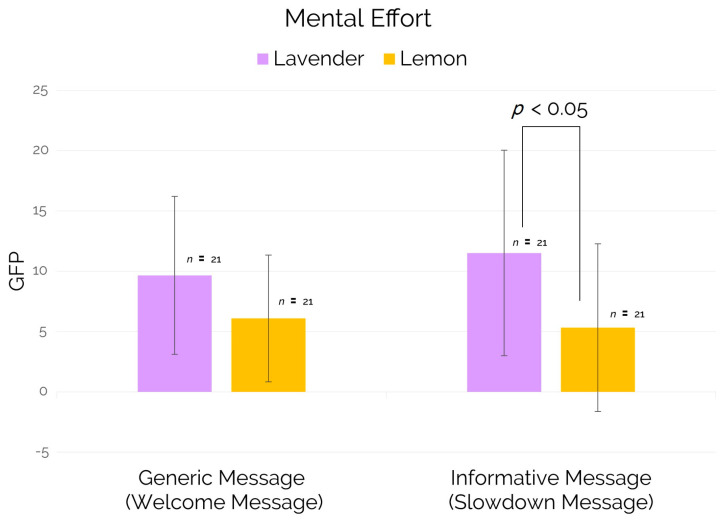
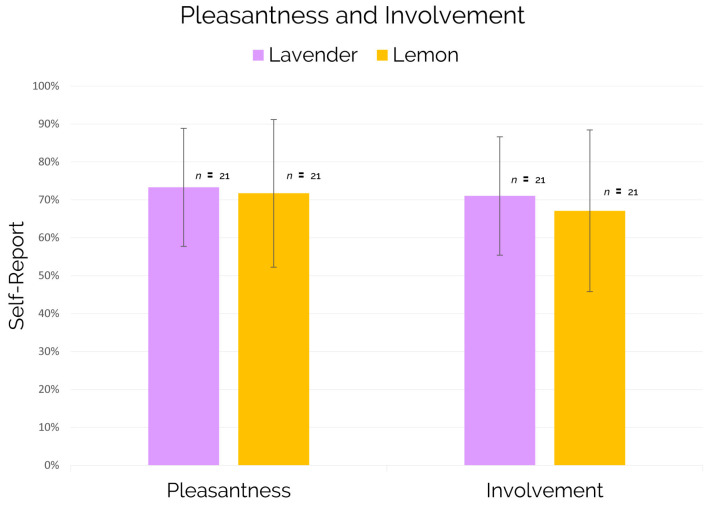
Scents have the ability to affect peoples' mental states and task performance with to different extents. It has been widely demonstrated that the lemon scent, included in most all-purpose cleaners, elicits stimulation and activation, while the lavender scent elicits relaxation and sedative effects. The present study aimed at investigating and fostering a novel approach to evaluate users' experience with respect to scents' effects through the joint employment of Virtual Reality and users' neurophysiological monitoring, in particular Electroencephalography. In particular, this study, involving 42 participants, aimed to compare the effects of lemon and lavender scents on the deployment of cognitive resources during a daily life experience consisting in a train journey carried out in virtual reality. Our findings showed a significant higher request of cognitive resources during the processing of an informative message for subjects exposed to the lavender scent with respect to the lemon exposure. No differences were found between lemon and lavender conditions on the self-reported items of pleasantness and involvement; as this study demonstrated, the employment of the lavender scent preserves the quality of the customer experience to the same extent as the more widely used lemon scent.
气味有能力在不同程度上影响人们的精神状态和任务表现。大量研究表明,大多数通用清洁剂中含有的柠檬香味会引发刺激和激活作用,而薰衣草香味则会产生放松和镇静效果。本研究旨在探索并促成一种新方法,通过联合运用虚拟现实技术和用户神经生理监测(特别是脑电图)来评估用户对气味效果的体验。具体而言,这项涉及42名参与者的研究,旨在比较柠檬香味和薰衣草香味在虚拟现实中模拟火车旅程这一日常生活体验过程中,对认知资源调配的影响。我们的研究结果显示,与接触柠檬香味的受试者相比,接触薰衣草香味的受试者在处理信息性消息时,对认知资源的需求显著更高。在自我报告的愉悦感和参与度项目上,柠檬香味和薰衣草香味条件之间没有差异;正如本研究所示,薰衣草香味的使用在保持客户体验质量方面与更广泛使用的柠檬香味程度相同。