Morales Xabier, Cortés-Domínguez Iván, Ortiz-de-Solorzano Carlos
IDISNA, Ciberonc and Solid Tumors and Biomarkers Program, Center for Applied Medical Research, University of Navarra, 31008 Pamplona, Spain.
Gels. 2021 Feb 12;7(1):17. doi: 10.3390/gels7010017.
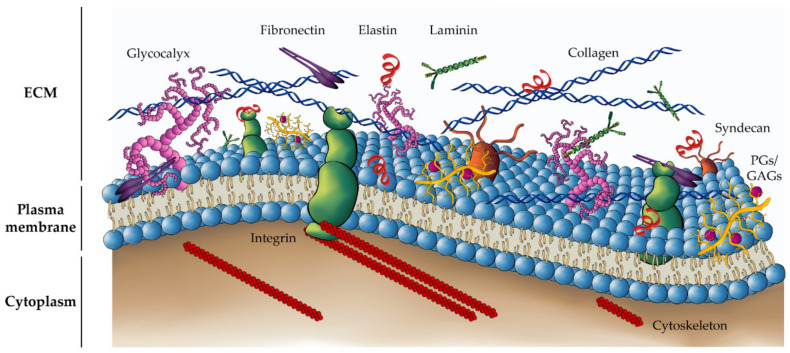
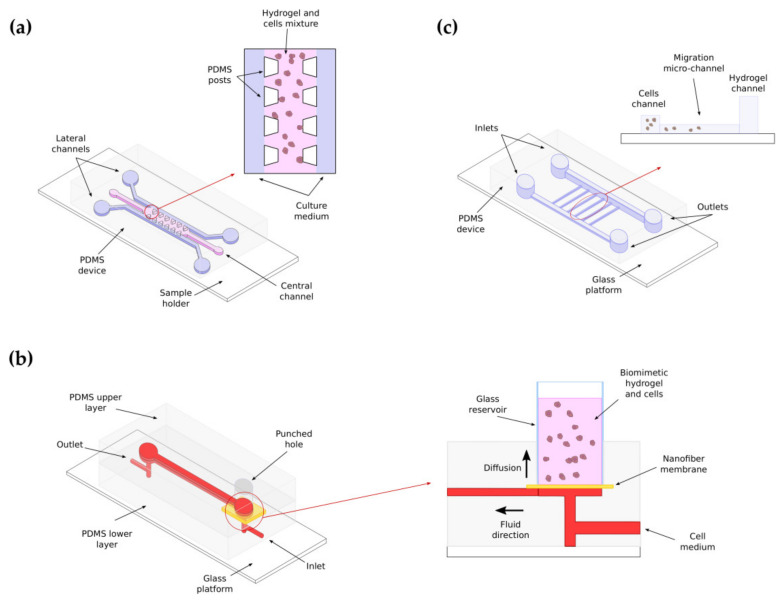
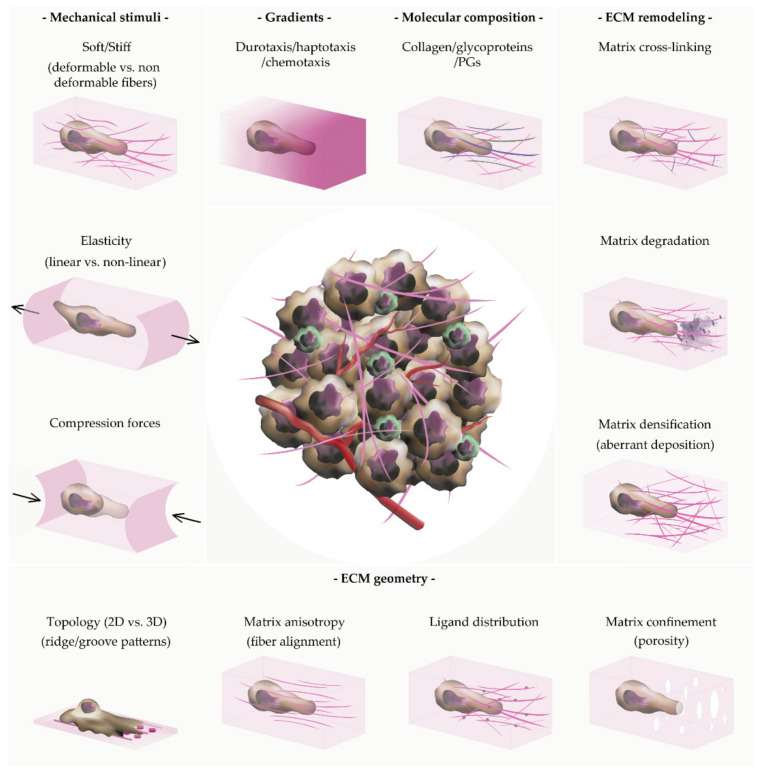
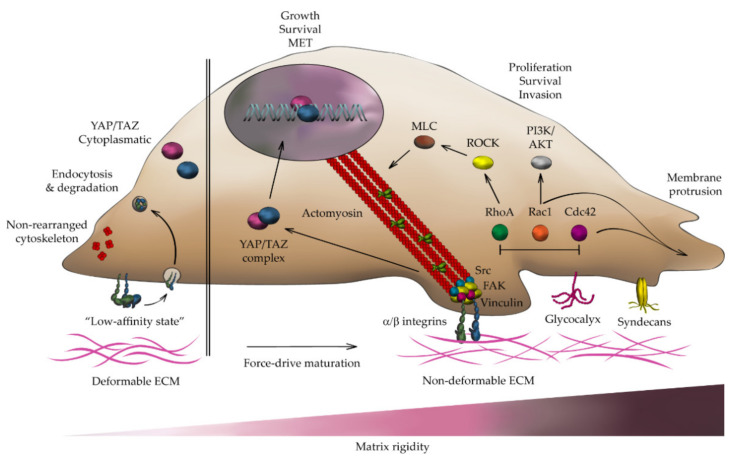
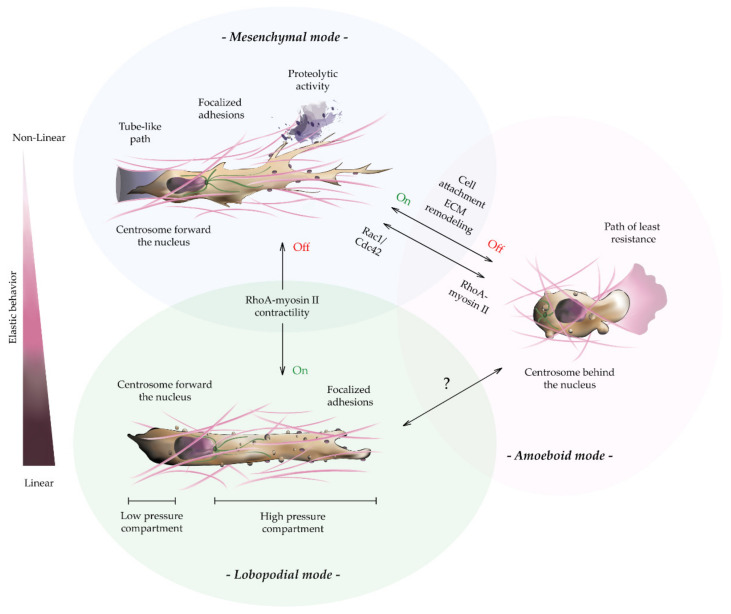
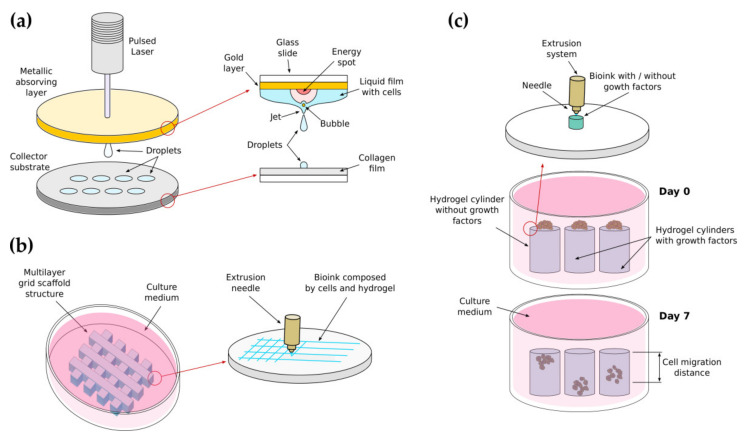
Understanding how cancer cells migrate, and how this migration is affected by the mechanical and chemical composition of the extracellular matrix (ECM) is critical to investigate and possibly interfere with the metastatic process, which is responsible for most cancer-related deaths. In this article we review the state of the art about the use of hydrogel-based three-dimensional (3D) scaffolds as artificial platforms to model the mechanobiology of cancer cell migration. We start by briefly reviewing the concept and composition of the extracellular matrix (ECM) and the materials commonly used to recreate the cancerous ECM. Then we summarize the most relevant knowledge about the mechanobiology of cancer cell migration that has been obtained using 3D hydrogel scaffolds, and relate those discoveries to what has been observed in the clinical management of solid tumors. Finally, we review some recent methodological developments, specifically the use of novel bioprinting techniques and microfluidics to create realistic hydrogel-based models of the cancer ECM, and some of their applications in the context of the study of cancer cell migration.
了解癌细胞如何迁移,以及这种迁移如何受到细胞外基质(ECM)的机械和化学成分的影响,对于研究并可能干预转移过程至关重要,因为转移过程是导致大多数癌症相关死亡的原因。在本文中,我们综述了关于使用基于水凝胶的三维(3D)支架作为人工平台来模拟癌细胞迁移的力学生物学的最新进展。我们首先简要回顾细胞外基质(ECM)的概念和组成,以及常用于重建癌性ECM的材料。然后,我们总结了使用3D水凝胶支架获得的关于癌细胞迁移力学生物学的最相关知识,并将这些发现与实体瘤临床管理中观察到的情况联系起来。最后,我们回顾了一些最近的方法学进展,特别是使用新型生物打印技术和微流体技术来创建基于水凝胶的逼真的癌症ECM模型,以及它们在癌细胞迁移研究中的一些应用。