Laboratory of Human Carcinogenesis, Center for Cancer Research, National Cancer Institute, Bethesda, Maryland, USA.
Cancer Data Science Lab, National Cancer Institute, National Institutes of Health, Bethesda, Maryland, USA.
Nat Commun. 2021 Mar 5;12(1):1455. doi: 10.1038/s41467-021-21804-1.
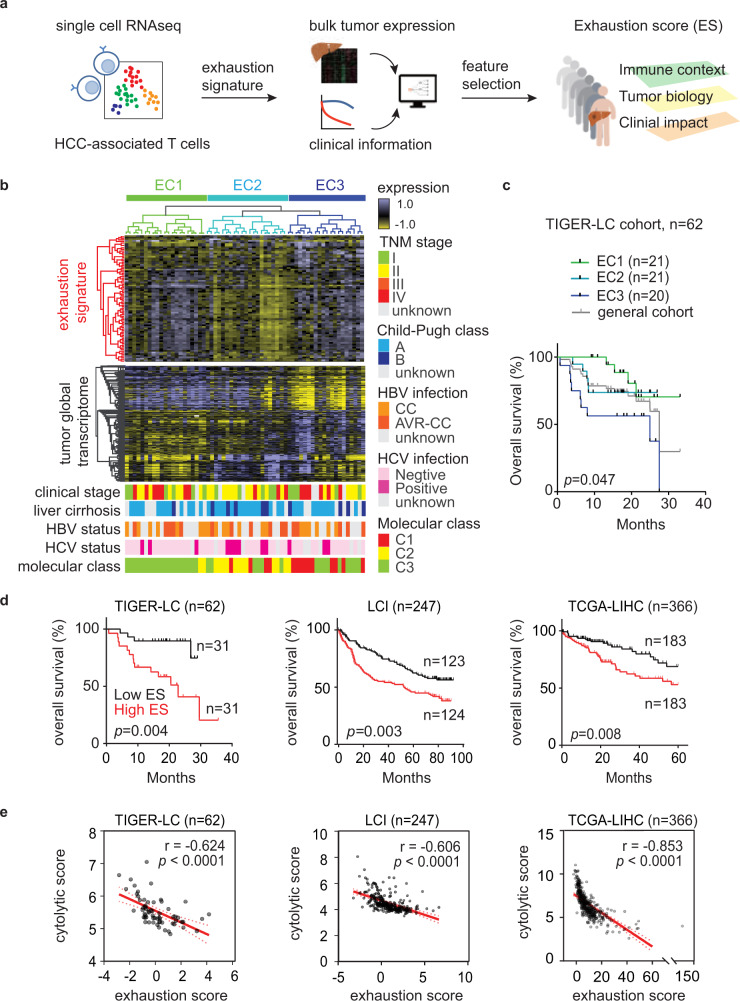
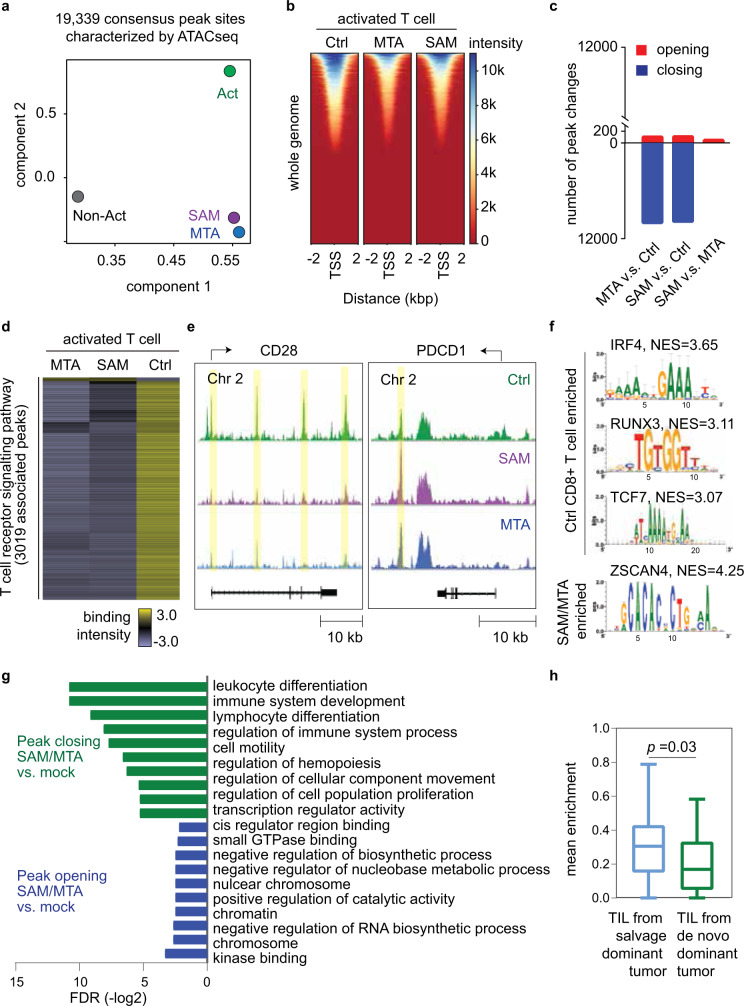
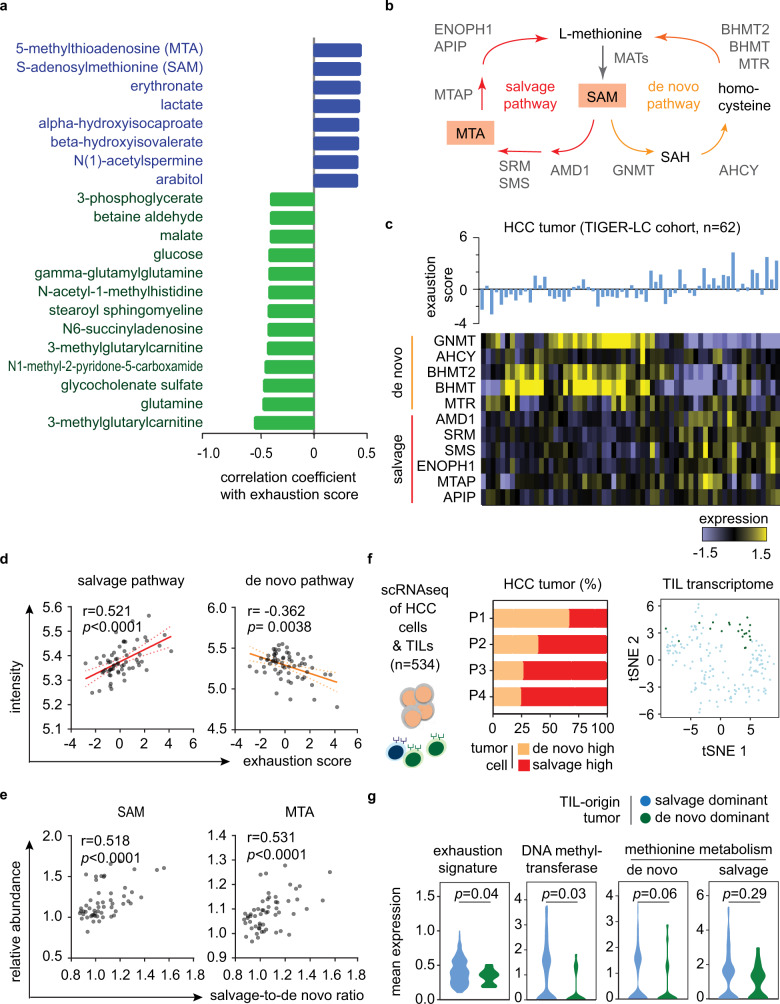
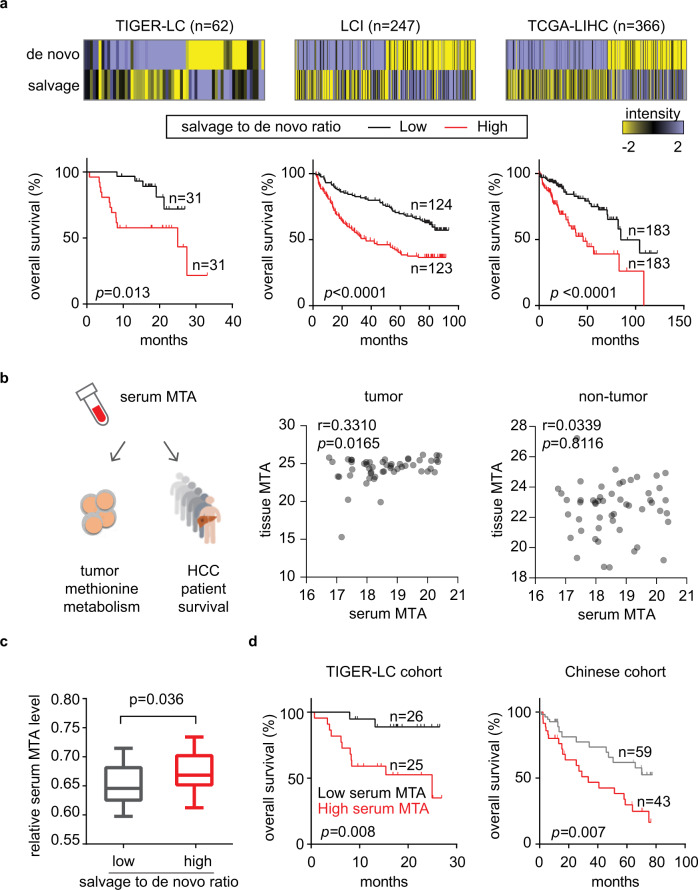
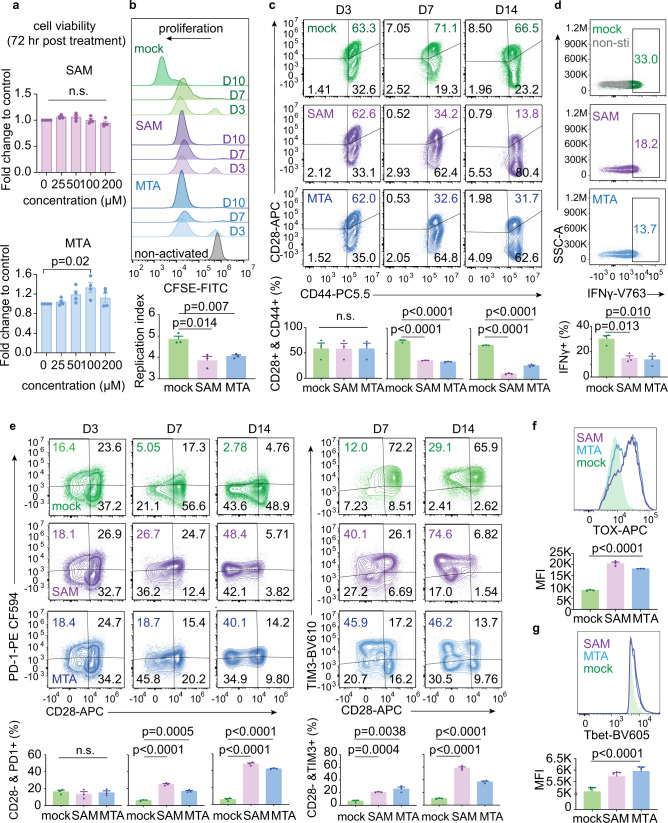
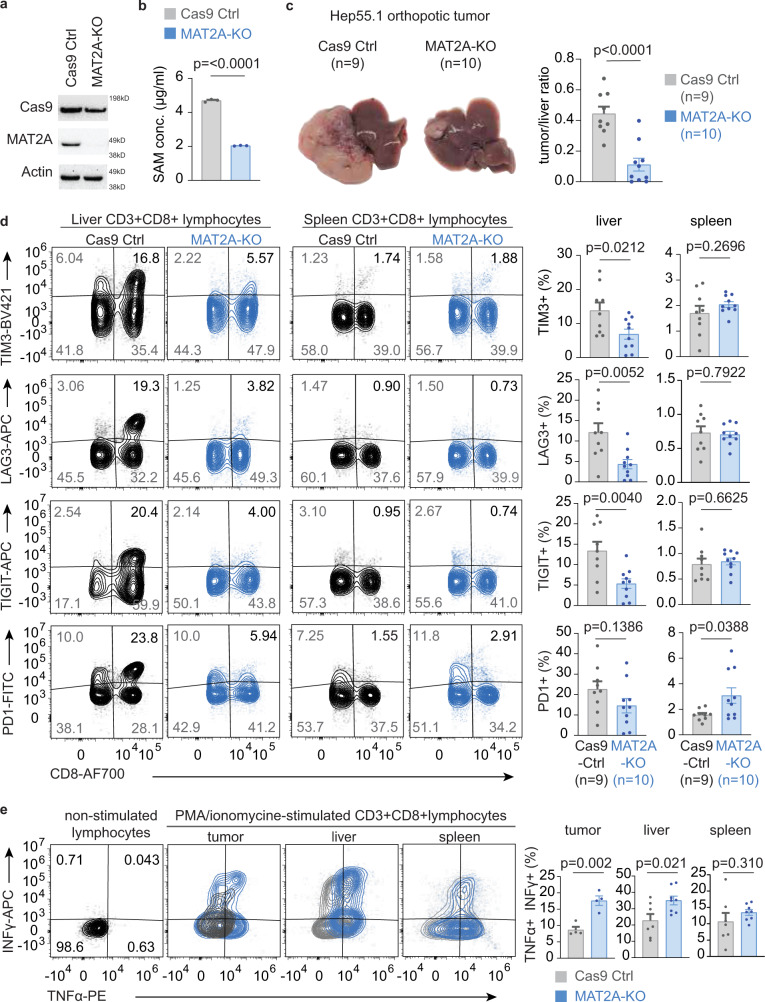
T-cell exhaustion denotes a hypofunctional state of T lymphocytes commonly found in cancer, but how tumor cells drive T-cell exhaustion remains elusive. Here, we find T-cell exhaustion linked to overall survival in 675 hepatocellular carcinoma (HCC) patients with diverse ethnicities and etiologies. Integrative omics analyses uncover oncogenic reprograming of HCC methionine recycling with elevated 5-methylthioadenosine (MTA) and S-adenosylmethionine (SAM) to be tightly linked to T-cell exhaustion. SAM and MTA induce T-cell dysfunction in vitro. Moreover, CRISPR-Cas9-mediated deletion of MAT2A, a key SAM producing enzyme, results in an inhibition of T-cell dysfunction and HCC growth in mice. Thus, reprogramming of tumor methionine metabolism may be a viable therapeutic strategy to improve HCC immunity.
T 细胞耗竭是 T 淋巴细胞的一种低功能状态,通常在癌症中发现,但肿瘤细胞如何导致 T 细胞耗竭仍然难以捉摸。在这里,我们发现 T 细胞耗竭与 675 名具有不同种族和病因的肝细胞癌 (HCC) 患者的总生存期相关。综合组学分析揭示了 HCC 蛋氨酸循环的致癌重编程,其中 5-甲基硫代腺苷 (MTA) 和 S-腺苷甲硫氨酸 (SAM) 升高与 T 细胞耗竭密切相关。SAM 和 MTA 在体外诱导 T 细胞功能障碍。此外,CRISPR-Cas9 介导的关键 SAM 产生酶 MAT2A 的缺失导致 T 细胞功能障碍和 HCC 生长在小鼠中受到抑制。因此,肿瘤蛋氨酸代谢的重编程可能是改善 HCC 免疫的一种可行的治疗策略。